

Choosing the right disposable glove isn’t just about safety—it’s about balancing operational protection with your bottom line. If you are sourcing for a business, you’ve likely noticed the significant price gap between Nitrile and Vinyl.
But is the premium price of Nitrile always necessary? For many industries, the answer is no. In this guide, we’ll break down the performance differences and explain why Vinyl might be the "smarter" buy for your daily operations.
1. Material & Performance: Understanding the Basics
The core difference between these two materials determines how they feel and function during a shift.
-
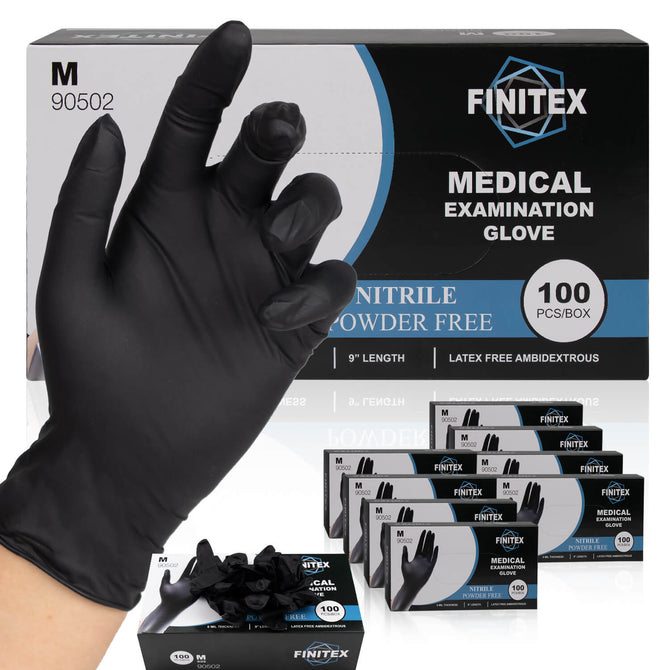
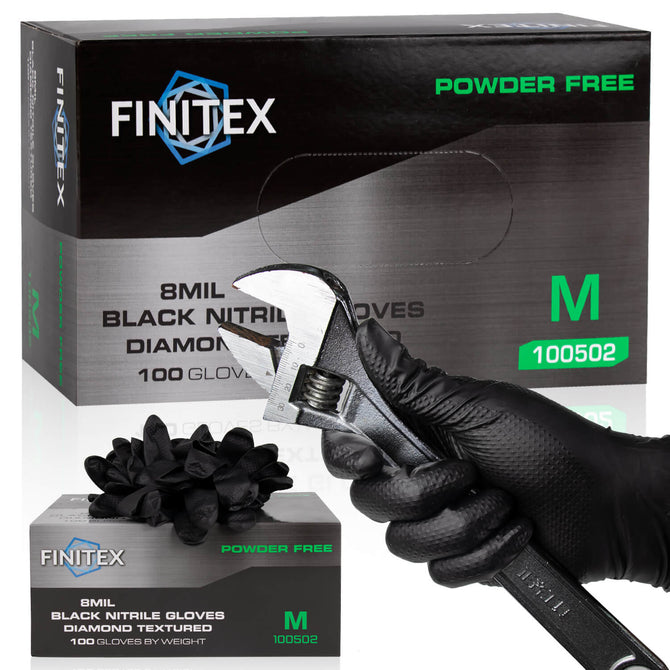
Nitrile Gloves: Made from synthetic rubber, these are the "powerhouse" of gloves. They offer high puncture resistance and a "second-skin" fit that adapts to your hand’s heat. They are the gold standard for medical and industrial work.
-
Vinyl Gloves: Made from PVC (Polyvinyl Chloride), Vinyl gloves have a looser, more relaxed fit. While they are less "stretchy" than Nitrile, they are incredibly easy to don and doff—a major advantage in high-turnover environments where workers need to change gloves frequently.
2. Chemical Resistance vs. Daily Hygiene
Before you buy, you must evaluate the risk level of the task at hand:
-
Nitrile is essential if your team handles harsh chemicals, oils, or petroleum-based products. It’s the go-to for automotive, laboratory, and high-risk medical settings.
-
Vinyl provides a reliable barrier against water, detergents, and mild household chemicals. If your business focuses on food prep, light cleaning, or retail, Vinyl offers more than enough protection to keep your staff and customers safe.
3. The "Cost-Per-Task" Advantage: Why Vinyl Wins on ROI
For many businesses, the biggest draw of Vinyl is the price point.
In industries like food service, janitorial work, or beauty salons, gloves are often changed every 15 to 30 minutes to maintain hygiene. Using a premium Nitrile glove for these low-risk, high-frequency tasks is often an unnecessary expense.
By switching to a high-quality Vinyl option, like our FINITEX Clear Vinyl Gloves, businesses can significantly reduce their PPE overhead without compromising on cleanliness or professional appearance.
4. Where Vinyl Shines: Ideal Use Cases
If your operations fall into the following categories, Vinyl is likely your most efficient choice:
-
Food Handling: Perfect for sandwich assembly, bakeries, and cafeteria lines.
-
Janitorial & Housekeeping: Ideal for dusting, polishing, and general surface cleaning.
-
Beauty & Salons: Great for basic grooming tasks and non-corrosive hair treatments.
-
High-Volume Retail: Excellent for handling stock or managing deli counters.
| Feature | Nitrile Gloves | Vinyl Gloves |
| Durability | High (Puncture Resistant) | Standard |
| Fit | Snug / Form-fitting | Loose / Comfortable |
| Chemical Resistance | Excellent | Light Duty |
| Best For | Medical, Lab, Mechanics | Food Prep, Cleaning, Retail |
| Cost Efficiency | Premium | Budget-Friendly |
Match the Glove to the Risk
There is no "perfect" glove—only the right glove for the job. While Nitrile is a necessity for high-risk medical and chemical work, Vinyl is the undisputed king of cost-effectiveness for low-risk, high-volume tasks.
Don't overpay for protection your business doesn't need. If you're looking for a reliable, latex-free, and affordable solution for your team, we highly recommend our FINITEX Clear Vinyl Disposable Exam Gloves. They provide the perfect balance of barrier protection and value.
Ready to lower your operational costs?
We specialize in high-quality, bulk disposable gloves. Whether you need the heavy-duty protection of Nitrile or the budget-friendly efficiency of Vinyl, we have your business covered.