
The final weeks of the year can be some of the busiest for healthcare providers. As patients schedule dental cleanings, annual checkups, and follow-up treatments before their insurance benefits reset, dental offices and urgent care clinics often face a noticeable increase in appointments. Add the seasonal rise in respiratory illnesses, and keeping essential medical supplies fully stocked becomes more important than ever.
For clinic managers and purchasing teams, November and December are the time to review inventory, anticipate higher glove consumption, and take advantage of Black Friday purchasing opportunities.
From high-dexterity nitrile exam gloves for dental procedures to dependable everyday PPE for urgent care staff, having the right supplies on hand helps keep patient care running smoothly throughout the holiday season.
1. Why Healthcare Clinics Get Busier at the End of the Year
The year-end rush isn't just a retail phenomenon. Healthcare providers often experience increased appointment demand between November and December for several reasons.
Patients Want to Make the Most of Their Insurance Benefits
Many patients try to schedule outstanding appointments before their health insurance plan year ends. Depending on their individual coverage, they may want to use remaining dental benefits, complete recommended treatments, or take care of procedures they have postponed throughout the year.
For patients with annual deductibles, the start of a new plan year may mean beginning a new cost-sharing cycle. This can encourage some people to schedule eligible services before their deductible resets.
Flexible Spending Account (FSA) balances can also influence appointment planning. Many FSA plans follow a use-it-or-lose-it structure, although some employers offer a carryover or grace period.
For dental practices, this can mean more requests for:
-
Routine dental cleanings and examinations
-
Follow-up appointments and restorative treatments
-
Periodontal evaluations
-
Consultations for previously postponed dental work
-
Preventive care and annual health screenings
When appointment calendars fill up, glove consumption naturally increases. A clinic that normally orders supplies every few weeks may need to adjust its purchasing schedule to avoid running short.
Winter Brings Additional Pressure to Urgent Care Clinics
The end-of-year appointment surge also overlaps with the winter respiratory illness season.
Urgent care centers frequently handle patients with cold and flu symptoms, respiratory infections, fever, and other seasonal health concerns. Staff may move quickly between patient examinations, specimen collection, wound care, and routine clinical tasks.
That means disposable exam gloves are needed throughout the day, not just during particularly busy shifts.
For clinic purchasing managers, planning ahead is much easier than dealing with emergency orders when shelves are already running low.
2. Why Nitrile Exam Gloves Are a Practical Choice for Busy Clinics
When patient volume increases, healthcare professionals need gloves that support both protection and efficient patient care.
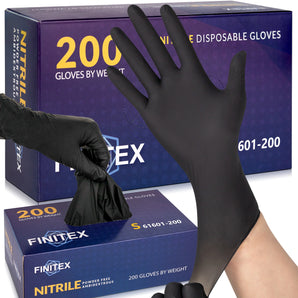
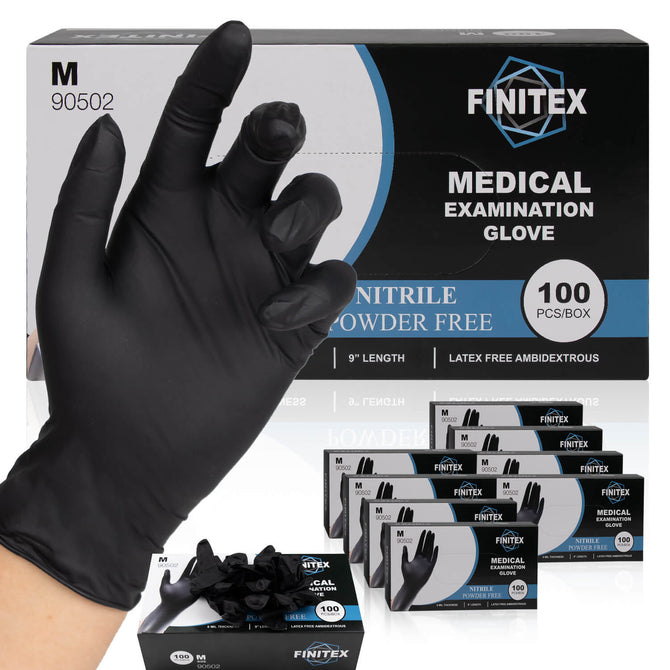
Nitrile exam gloves are widely used in healthcare settings because they offer a useful combination of barrier protection, durability, and tactile performance. Clinics looking to replenish their supplies can explore our disposable nitrile gloves for different professional needs.
Here are several reasons they make sense for dental offices and urgent care facilities.
Reliable Barrier Protection
During patient examinations, healthcare workers may come into contact with blood, saliva, respiratory secretions, and other potentially infectious materials.
Appropriately selected medical examination gloves help reduce the risk of direct hand contact with these materials. Nitrile is a practical alternative to natural rubber latex, particularly in facilities seeking to minimize latex exposure.
However, gloves are only one part of an infection prevention program. Proper hand hygiene, glove changes between patients, and appropriate disposal remain essential.
Better Tactile Sensitivity for Dental Procedures
Dental professionals rely on precision. Whether performing a routine cleaning, handling dental instruments, or carrying out a detailed examination, they need gloves that allow controlled hand movements.
A glove that is too thick or poorly fitted can make delicate tasks more difficult.
For dental clinics, consider:
-
Thin, medical-grade nitrile gloves for better tactile feedback
-
Proper sizing to reduce excess material around the fingertips
-
Flexible materials that support repeated hand movements
-
Consistent fit across different staff members
A well-fitting glove helps dental professionals maintain dexterity without constantly adjusting their hand protection.
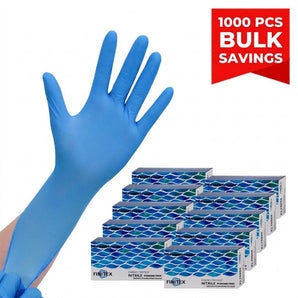
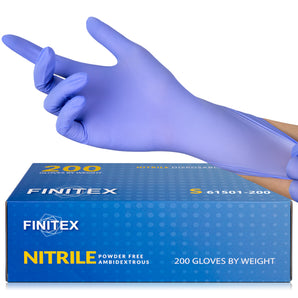
For dental practices looking for a lightweight, powder-free option, FINITEX Blue Nitrile Gloves – 3.2 Mil Exam Grade offer a practical choice for routine examinations and everyday clinical tasks.
Latex-Free Comfort for Extended Clinical Work
Dental assistants, hygienists, and urgent care personnel may wear disposable gloves repeatedly throughout their shifts.
Nitrile gloves provide a latex-free option for healthcare facilities looking to accommodate staff and patients with natural rubber latex sensitivities.
Powder-free options are also a practical choice for routine clinical environments, helping avoid unnecessary powder exposure and residue.
3. How Dental Clinics Should Plan Their Year-End Glove Inventory
Dental practices often have predictable daily workloads, but the final weeks of the year can disrupt normal purchasing patterns.
Rather than ordering based only on previous monthly averages, purchasing managers should consider expected appointment volume and actual glove usage.
Estimate Your Monthly Glove Consumption
Start by reviewing the previous two or three months of purchasing records.
Consider:
-
Average number of patients seen per day
-
Number of dentists, hygienists, and dental assistants
-
Average gloves used per patient
-
Additional glove usage for cleaning and room preparation
-
Expected increase in appointments during November and December
For example, a dental practice with five clinical staff members may use considerably more gloves during a week of fully booked appointments than during a quieter month.
A simple inventory formula can help:
Expected Glove Demand = Average Daily Glove Usage × Expected Working Days + Safety Stock
Keeping an additional supply on hand provides a buffer against unexpected appointment increases and shipping delays.
Stock Multiple Sizes
Ordering only one glove size can create unnecessary problems during busy shifts.
A practical dental clinic inventory should account for the different hand sizes of its clinical team.
Common sizes include:
-
Small
-
Medium
-
Large
-
Extra Large
Medium and Large are common starting points for many facilities, but actual demand should be based on staff requirements rather than assumptions.
Proper sizing matters. Gloves that are too tight may tear more easily, while oversized gloves can reduce tactile control.
Choose the Right Glove Thickness
Not every clinical task requires the same glove characteristics.
For routine examinations and dental procedures, thinner exam-grade nitrile gloves can provide the flexibility and tactile feedback professionals need.
For tasks involving more demanding handling requirements, clinics should evaluate the glove's intended use, material performance, and applicable product specifications rather than choosing thickness alone.
Remember: a thicker glove is not automatically a better medical examination glove. Product quality, barrier integrity, fit, and compliance with applicable medical glove standards are equally important.
4. Urgent Care PPE Restock: What Purchasing Managers Should Check
Urgent care facilities have different supply requirements from dental practices. Their daily workload can be less predictable, especially during winter.
A well-planned PPE restock should consider more than the number of glove boxes currently on the shelf.
Review FDA Regulatory Status and Product Documentation
When purchasing medical examination gloves in the United States, verify that the product is appropriately marketed for its intended medical use.
Purchasing teams should review:
-
FDA establishment registration and device listing information, where applicable
-
Relevant 510(k) clearance information
-
Applicable ASTM D6319 specifications for nitrile examination gloves
-
Product labeling and intended use
-
Available quality and barrier-performance documentation
Avoid treating industrial-grade nitrile gloves as interchangeable with medical examination gloves. A glove's material alone does not establish that it is suitable for clinical use.
Prioritize Powder-Free Options
Powder-free nitrile examination gloves are a sensible choice for routine patient care.
They help avoid the unnecessary residue associated with powdered gloves and are widely used across dental and medical settings.
Check Packaging and Storage Conditions
Even high-quality gloves need proper storage.
Before placing a large order, consider:
-
Package integrity and clear product labeling
-
Manufacturing and expiration information, where provided
-
Storage temperature and humidity recommendations
-
Available shelf space
-
Delivery lead times and reorder requirements
Buying in bulk only makes sense when the clinic can store the products properly and use them within the manufacturer's recommended shelf life.
5. Black Friday Clinic Deals: A Smart Time to Replenish Medical Exam Gloves in Bulk
Black Friday is often associated with consumer electronics, clothing, and holiday shopping. However, it can also be a useful purchasing window for healthcare businesses.
For dental offices, urgent care centers, and independent medical practices, promotional periods offer an opportunity to review recurring supply expenses and replenish frequently used consumables.
Instead of waiting until inventory reaches its minimum level, purchasing managers can use Black Friday to plan ahead.
Why Bulk Purchasing Makes Sense
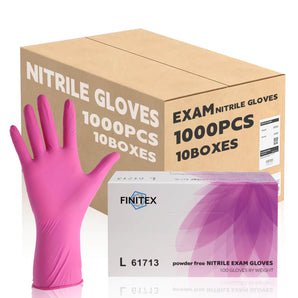
Medical exam gloves are everyday consumables. Unlike specialized equipment that may be purchased once every few years, gloves need to be reordered continuously. For clinics planning ahead, purchasing medical exam gloves in bulk can help simplify inventory management and reduce the need for frequent reorders.
Bulk purchasing can offer several advantages:
1. Better Inventory Planning
Ordering larger quantities during a planned purchasing cycle can reduce the need for frequent last-minute orders.
2. More Predictable Supply Costs
Taking advantage of promotional pricing may help clinics manage their supply budgets, especially when glove consumption increases during busy periods.
3. Fewer Emergency Reorders
Maintaining a reasonable safety stock helps reduce the risk of running out of essential examination gloves during fully booked shifts.
4. Better Preparation for Winter Demand
Having supplies ready before the busiest weeks allows staff to focus on patient care rather than inventory problems.
What to Look for in a Black Friday Glove Deal
The lowest price is not necessarily the best value.
Before placing a bulk order, compare:
-
Medical-grade suitability and regulatory documentation
-
Price per glove rather than price per box alone
-
Gloves per box and total case quantity
-
Available sizes
-
Product consistency and quality
-
Shipping costs and delivery estimates
-
Expiration dates and storage requirements
A discounted product that does not meet your clinic's requirements is not a good purchase.
For facilities purchasing multiple cases, it is also worth checking whether volume discounts or additional promotional offers are available.
6. A Practical Year-End Glove Stocking Checklist
Before the holiday rush begins, use this checklist to review your clinic's disposable glove inventory.
| Inventory Check | What to Review |
|---|---|
| Current stock | Count all unopened boxes and cases |
| Monthly consumption | Review recent glove usage |
| Staff sizes | Confirm Small, Medium, Large, and XL requirements |
| Glove type | Verify medical examination suitability |
| Product quality | Check labeling and available documentation |
| Storage | Confirm adequate space and proper conditions |
| Reordering | Calculate the next reorder date |
| Promotions | Compare Black Friday bulk pricing |
| Delivery | Order early enough to account for shipping |
A simple inventory review can prevent unnecessary interruptions when appointment schedules become crowded.
7. Keep Your Clinic Ready with FINITEX Nitrile Exam Gloves
The final weeks of the year are not the time to discover that your clinic is running low on essential supplies.
Whether you manage a dental practice, an urgent care center, or a growing outpatient facility, reliable examination gloves are an important part of everyday clinical operations.
FINITEX offers disposable nitrile glove options designed for different professional needs. When selecting gloves for patient care, choose products specifically intended for medical examination use and review their applicable specifications, documentation, and sizing options.
For clinics looking for a dependable option for routine examinations, explore FINITEX Blue Nitrile Gloves – 3.2 Mil Exam Grade, Powder-Free.
Planning your year-end inventory now can help your team stay prepared for a busy December, manage purchasing costs, and maintain a consistent supply of essential PPE.
Don't wait until the last box is opened. Get your clinic ready for the year-end patient rush with FINITEX.
Frequently Asked Questions
1. Why do dental clinics get busier at the end of the year?
Many patients schedule dental cleanings, examinations, and outstanding treatments before their insurance plan year ends. Remaining dental benefits and FSA balances may also influence appointment timing, depending on individual coverage and employer plan rules.
2. What type of disposable gloves are best for dental clinics?
Medical-grade, powder-free nitrile examination gloves are a popular choice for dental practices. They offer latex-free protection, flexibility, and tactile performance for routine examinations and other clinical tasks.
3. Are nitrile exam gloves suitable for urgent care centers?
Yes. Appropriately selected medical examination nitrile gloves are commonly used in urgent care settings for routine patient examinations and procedures involving potential contact with blood or body fluids. They should be used as part of a broader infection prevention program.
4. How many boxes of medical exam gloves should a clinic stock?
The required quantity depends on patient volume, staff size, daily glove consumption, and delivery lead times. Clinics should review historical usage and maintain a reasonable safety stock instead of relying on a fixed number of boxes.
5. What should clinics look for when buying medical exam gloves in bulk?
Check medical-use suitability, FDA regulatory information, applicable ASTM specifications, glove sizing, product quality, packaging, expiration information, and total delivered cost. A low price should never replace product quality and appropriate documentation.
6. Is Black Friday a good time to buy medical exam gloves in bulk?
It can be. Black Friday promotions may help clinics replenish frequently used supplies at competitive prices. Purchasing teams should compare the final cost, product specifications, delivery schedule, and quantity discounts before ordering.
Final Reminder: A well-stocked clinic is better prepared for the busiest weeks of the year. Review your glove inventory before the holiday rush, take advantage of seasonal purchasing opportunities, and keep your team ready for every patient.