
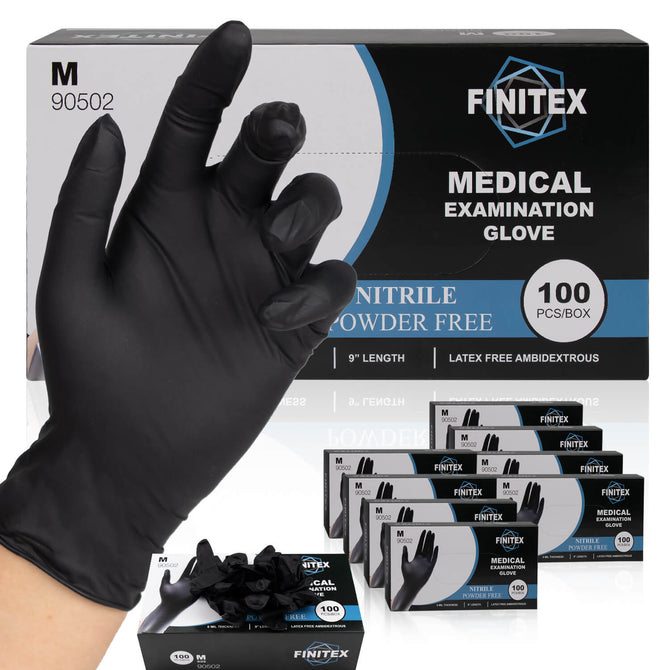
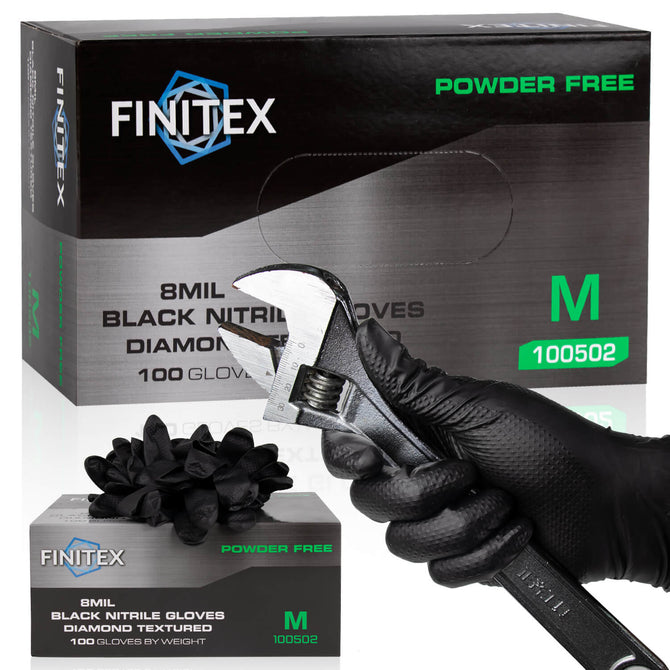

If you have sensitive skin, wearing disposable gloves for hours at a time can sometimes leave your hands feeling dry, itchy, or irritated. Whether you're a healthcare professional, food service worker, cleaner, laboratory technician, or mechanic, choosing the right glove material can make a significant difference in both comfort and skin health.
One of the most common questions people ask is:
Are nitrile gloves good for sensitive skin?
The short answer is yes. High-quality nitrile gloves are generally one of the safest and most skin-friendly disposable glove options available today. However, there are a few important factors to consider before choosing the right pair.
In this guide, we'll explain why nitrile gloves are recommended for sensitive skin, what can still cause irritation, and how to choose gloves that keep your hands protected and comfortable.
What Are Nitrile Gloves?
Nitrile gloves are made from nitrile butadiene rubber (NBR), a synthetic material developed as a durable alternative to natural rubber latex.
Because they contain no natural latex proteins, nitrile gloves have become the preferred disposable glove in many industries, including:
- Healthcare
- Dental clinics
- Food processing
- Laboratories
- Automotive repair
- Janitorial services
- Industrial manufacturing
Besides being latex-free, nitrile gloves are valued for their excellent puncture resistance, chemical protection, and comfortable fit.
Are Nitrile Gloves Safe for Sensitive Skin?
For most people, the answer is absolutely.
Nitrile gloves are specifically designed to reduce the risk of allergic reactions associated with latex gloves. They're also available in powder-free versions that further minimize skin irritation.
Several characteristics make nitrile an excellent option for sensitive skin.
Latex-Free Protection
Natural rubber latex contains proteins that can trigger allergic reactions ranging from mild itching to severe respiratory symptoms.
Since nitrile contains no natural latex proteins, it is widely recommended for anyone with latex allergies or skin sensitivities.
This is one of the biggest reasons hospitals and medical clinics have increasingly switched from latex gloves to nitrile gloves.
Lower Risk of Skin Irritation
Many people confuse skin irritation with allergic reactions.
Most cases of redness or dryness after wearing gloves are actually irritant contact dermatitis, which may result from:
- Frequent hand washing
- Sweat trapped inside gloves
- Dry skin
- Friction from poorly fitting gloves
- Harsh soaps or disinfectants
Nitrile gloves help create a protective barrier that reduces exposure to many workplace irritants.
Powder-Free Means Less Irritation
Years ago, powdered gloves were common because they were easier to put on.
Today, powder-free nitrile gloves are the industry standard.
Without cornstarch powder, there's less residue left on your hands, reducing the chance of:
- Dry skin
- Itching
- Eye irritation
- Airborne particles
- Cross contamination
For people with sensitive skin, powder-free gloves are almost always the better choice.
Can You Still Be Allergic to Nitrile Gloves?
Although uncommon, some people may still experience irritation while wearing nitrile gloves.
In many cases, the problem isn't the nitrile itself.
Instead, reactions may be caused by chemical accelerators used during glove manufacturing. These chemicals help cure the rubber but can occasionally trigger allergic contact dermatitis in susceptible individuals.
If you've experienced irritation with nitrile gloves before, look for:
- Accelerator-free nitrile gloves
- Dermatologically tested gloves
- Low-residue manufacturing processes
- Premium-quality disposable gloves
If symptoms persist, consult a healthcare professional or dermatologist.
How Nitrile Compares with Other Disposable Gloves
| Feature | Nitrile | Latex | Vinyl |
|---|---|---|---|
| Latex-free | ✔ | ✘ | ✔ |
| Suitable for sensitive skin | ✔ Excellent | Moderate | Good |
| Chemical resistance | Excellent | Moderate | Limited |
| Puncture resistance | Excellent | Good | Poor |
| Durability | Excellent | Good | Fair |
| Elasticity | Excellent | Excellent | Limited |
For most professionals, nitrile offers the best combination of skin safety, durability, and protection.
How to Choose the Best Nitrile Gloves for Sensitive Skin
Not every nitrile glove is manufactured to the same standard.
Here are several features worth looking for.
Powder-Free Construction
Powder-free gloves reduce irritation and improve hygiene.
Comfortable Fit
Gloves that are too tight can restrict circulation and increase sweating, while loose gloves create friction that may irritate the skin.
Choose a size that fits naturally without excessive stretching.
High-Quality Manufacturing
Premium gloves leave fewer manufacturing residues that may irritate sensitive skin.
Purchasing from reputable manufacturers also helps ensure consistent quality.
Appropriate Thickness
Different jobs require different glove thicknesses.
- 3–4 mil – Excellent flexibility for medical exams and food handling
- 5–6 mil – Great balance of comfort and durability for daily use
- 7–8 mil – Better protection for industrial or automotive work
Thicker isn't always better. If your hands sweat easily, a lighter glove may actually feel more comfortable.
Tips for Preventing Skin Irritation While Wearing Gloves
Even the best disposable gloves work better when combined with good hand care habits.
You can help protect sensitive skin by:
- Applying fragrance-free moisturizer after washing your hands
- Allowing your hands to dry completely before putting on gloves
- Changing gloves regularly during long shifts
- Avoiding prolonged glove use whenever possible
- Washing hands with mild soap instead of harsh detergents
Healthy skin is less likely to become irritated, even during frequent glove use.
Why Professionals Choose FINITEX Nitrile Gloves
At FINITEX, we understand that comfort matters just as much as protection.
Our disposable nitrile gloves are designed to provide:
- Latex-free protection
- Powder-free comfort
- Excellent flexibility
- Reliable puncture resistance
- Comfortable fit for extended wear
- High manufacturing quality with minimal residue
Whether you're working in healthcare, food service, laboratories, cleaning, or industrial environments, FINITEX nitrile gloves help keep your hands protected while supporting all-day comfort.
Final Thoughts
So, are nitrile gloves good for sensitive skin?
For the vast majority of users, yes.
Because they're latex-free, powder-free, and highly resistant to chemicals and contaminants, nitrile gloves remain one of the safest disposable glove materials for people with sensitive skin.
Choosing high-quality gloves, wearing the correct size, and maintaining good hand care habits can significantly reduce irritation while improving comfort throughout the workday.
If you're looking for dependable protection without compromising skin health, premium nitrile gloves are an excellent investment.
Frequently Asked Questions
Are nitrile gloves better than latex for sensitive skin?
Yes. Nitrile gloves don't contain natural latex proteins, making them a better choice for people with latex allergies or sensitive skin.
Can nitrile gloves cause skin irritation?
Rarely. Most irritation is caused by trapped moisture, friction, or chemical accelerators used during manufacturing rather than the nitrile material itself.
What are accelerator-free nitrile gloves?
Accelerator-free gloves are manufactured without certain chemical curing agents that can trigger allergic contact dermatitis in sensitive individuals.
Are powder-free nitrile gloves better for sensitive skin?
Yes. Powder-free gloves leave less residue on the skin and are generally more comfortable for prolonged wear.
How often should disposable nitrile gloves be changed?
Disposable nitrile gloves should be replaced after each task, when they become damaged, contaminated, or after extended continuous use.