

For most people, late summer means farmers' markets overflowing with fresh produce. For farmers, greenhouse operators, orchard crews, and agricultural workers, however, July and August are some of the busiest—and toughest—months of the year.
Harvest season isn't just physically demanding. Workers spend hours handling soil, pruning plants, picking fruits, mixing fertilizers, applying crop protection products, and repairing equipment under intense summer heat.
Every task puts hands at risk.
That's why more farms across the United States are switching from traditional latex or reusable fabric gloves to agricultural disposable nitrile gloves. They offer reliable protection without sacrificing dexterity, making them ideal for fast-paced harvesting and field work.
Whether you're managing a commercial farm or purchasing gardening supplies in bulk, choosing the right disposable gloves can improve both worker safety and operational efficiency.
Why Harvest Season Is Hard on Your Hands
Late summer farming combines several hazards into one workday.
A worker may begin the morning harvesting peppers in a greenhouse, spend midday pruning fruit trees, then finish by cleaning equipment or spraying pesticides.
Throughout the day, hands are exposed to:
- Wet soil filled with microorganisms
- Plant sap that causes irritation or staining
- Thorns and rough stems
- Fertilizers and agricultural chemicals
- Dust, mud, and moisture
- Repetitive hand movement
Without proper protection, these exposures can lead to skin irritation, cuts, contamination, and lost productivity.
Disposable nitrile gloves create a clean barrier while allowing workers to maintain the flexibility needed for delicate harvesting tasks.
1. Soil Isn't as Harmless as It Looks
Healthy soil is full of life—but not every microorganism is beneficial.
Farm workers regularly dig, transplant, weed, and harvest crops while working directly in moist soil. Depending on the environment, soil can contain bacteria, fungi, parasites, and animal waste.
Even small cuts or cracked skin can become entry points for contaminants.
Disposable nitrile gloves help reduce direct contact with:
- Mud and organic waste
- Soil bacteria
- Parasites
- Fertilizer residue
This is especially valuable during long harvest days when repeated hand washing may not always be practical in the field.
2. Plant Sap Can Irritate Skin
Many vegetables, flowers, herbs, and fruit trees release natural sap when harvested or pruned.
Common examples include:
- Tomato vines
- Pepper plants
- Fig trees
- Citrus trees
- Squash vines
- Wild weeds
Plant sap may cause:
- Skin irritation
- Allergic reactions
- Sticky residue
- Green or brown staining
Workers often notice discomfort only after several hours of exposure.
Nitrile gloves prevent direct skin contact while remaining thin enough to maintain excellent grip during harvesting.
3. Agricultural Chemicals Require Reliable Protection
Modern farming depends on crop protection products to maximize yield.
Workers may handle:
- Herbicides
- Insecticides
- Fungicides
- Fertilizer concentrates
- Cleaning chemicals
- Equipment lubricants
While disposable gloves are not suitable for every highly hazardous chemical, chemical-resistant nitrile gloves provide significantly better resistance than latex or vinyl gloves for many commonly encountered agricultural substances.
Always select gloves appropriate for the chemicals being handled and follow the pesticide manufacturer's PPE recommendations.
4. Harvesting Demands Tough Gloves
Agricultural work is surprisingly abrasive.
Workers constantly grip:
- Harvest knives
- Plastic harvest bins
- Wooden crates
- Wire fencing
- Irrigation equipment
- Pruning shears
Thin gloves often tear after only a short period.
Choosing gloves with higher tensile strength and puncture resistance helps reduce interruptions caused by ripped gloves.
Look for gloves offering:
- Strong stretch resistance
- Reinforced fingertips
- Textured grip
- Good tear resistance
These features improve durability without making gloves feel bulky.
Why Green and Orange Nitrile Gloves Are Becoming Popular
While blue and black nitrile gloves remain common, many agricultural businesses are choosing green or orange disposable nitrile gloves.
Here's why.
Green Nitrile Gloves
Green gloves blend naturally into agricultural environments while still remaining visible enough for workers.
Many farms associate green gloves with:
- Gardening
- Plant care
- Greenhouse operations
- Organic farming
They also help maintain a professional appearance for customer-facing farm markets and agritourism operations.
Orange Nitrile Gloves
Bright orange gloves provide excellent visibility.
If a glove tears or a small piece is accidentally dropped, it's much easier to locate against dark soil or dense vegetation.
Many supervisors also appreciate the visibility because it's easier to verify PPE compliance across larger crews.
Features That Matter Most in Agricultural Disposable Gloves
Not every disposable glove is built for farming.
When purchasing agricultural disposable gloves, look for the following characteristics.
High Tensile Strength
Gloves should stretch without splitting when pulling weeds, lifting crates, or pruning branches.
Puncture Resistance
Protection against:
- Small thorns
- Sharp stems
- Splinters
- Rough harvesting containers
Textured Grip
Wet vegetables, muddy tools, and sweaty hands reduce grip.
Textured fingertips help workers safely hold:
- Harvest tools
- Irrigation valves
- Produce
- Hand tools
Comfortable Fit
Harvest shifts often last eight to ten hours.
Well-fitting gloves reduce hand fatigue while improving productivity.
Powder-Free Design
Powder-free gloves reduce residue on fresh produce while improving worker comfort.
Agriculture Applications That Benefit from Nitrile Gloves
Disposable nitrile gloves are useful across many agricultural operations.
Fruit Orchards
Workers harvest apples, peaches, cherries, citrus, and berries while avoiding sticky sap and protecting fruit quality.
Vegetable Farms
Harvesting tomatoes, cucumbers, peppers, squash, onions, and leafy greens requires grip, dexterity, and cleanliness.
Greenhouses
Greenhouse employees frequently transplant seedlings, prune plants, mix nutrients, and monitor irrigation systems.
Vineyards
Workers spend long hours pruning vines, harvesting grapes, and cleaning equipment.
Nurseries and Garden Centers
Employees handle soil, fertilizers, plants, pesticides, and customer purchases throughout the day.
Buying Gardening Supplies in Bulk? Don't Overlook Gloves
Many agricultural businesses purchase seeds, fertilizers, irrigation supplies, and harvesting containers in bulk.
Disposable gloves deserve the same attention.
Buying gloves in larger quantities offers several advantages:
- Lower cost per box
- Consistent PPE availability
- Reduced downtime
- Better inventory management
- Easier distribution to seasonal workers
For farms employing temporary harvest crews, keeping an ample supply of disposable nitrile gloves helps maintain hygiene and safety throughout the season.
Why FINITEX Nitrile Gloves Are a Smart Choice for Agriculture
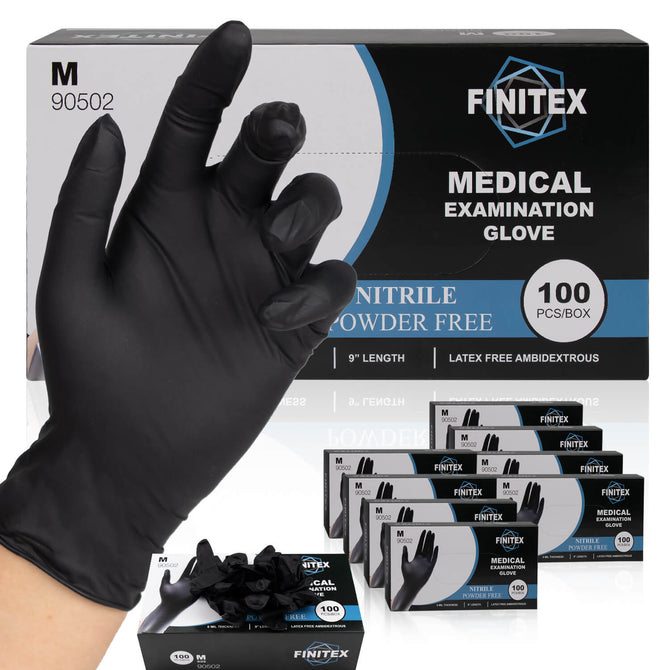
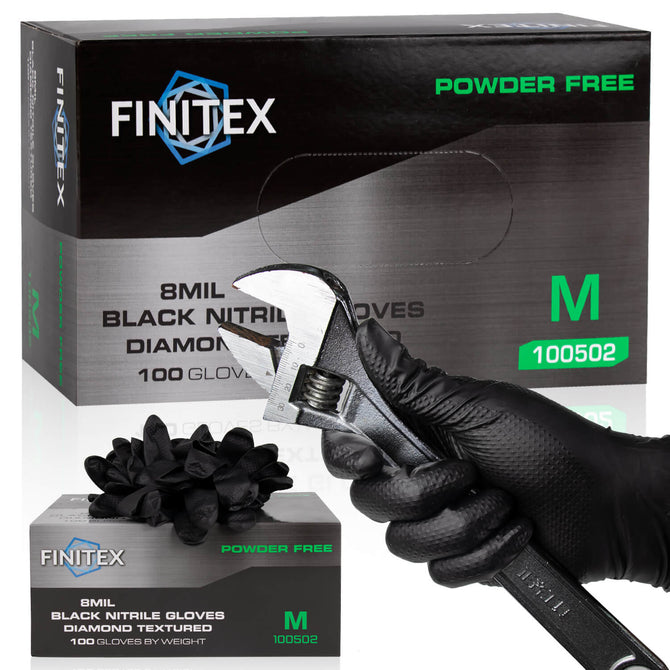
For demanding agricultural environments, FINITEX Nitrile Gloves combine comfort with dependable durability.
Key benefits include:
- High tensile strength for repetitive harvesting tasks
- Excellent puncture resistance for thorny plants and rough materials
- Textured fingertips for secure grip in wet or muddy conditions
- Latex-free construction to reduce allergy concerns
- Powder-free finish to help keep produce clean
- Available in highly visible green and orange options for field work
- Bulk packaging suitable for farms, orchards, greenhouses, and commercial growers
Whether workers are pruning grapevines, harvesting vegetables, or preparing fields for the next planting cycle, FINITEX gloves provide dependable hand protection throughout long summer workdays.
Final Thoughts
Harvest season is one of the most productive—and demanding—times of the agricultural year. Workers face constant exposure to soil, plant sap, moisture, sharp tools, and agricultural chemicals, all while working in high temperatures.
Choosing the right agricultural disposable gloves isn't just about comfort. It's an investment in farm worker safety, operational efficiency, and consistent productivity.
For farms preparing for the busiest weeks of the season, durable nitrile gloves are one piece of harvesting gear that shouldn't be overlooked.
Frequently Asked Questions
Are nitrile gloves good for farming?
Yes. Nitrile gloves provide excellent protection against dirt, plant sap, many common agricultural chemicals, and punctures while maintaining the dexterity needed for harvesting and pruning.
What thickness of nitrile gloves is best for agricultural work?
For general harvesting, 5–6 mil nitrile gloves offer a balance of flexibility and durability. For heavy-duty farm tasks, such as handling rough equipment, thorny plants, or maintenance work, 7–8 mil gloves provide added puncture and tear resistance.
Can disposable nitrile gloves protect against pesticides?
Nitrile gloves offer better chemical resistance than latex or vinyl for many pesticides and fertilizers. However, always follow the pesticide label's PPE requirements and choose gloves that are compatible with the specific chemicals being used.
Why do farms use orange or green nitrile gloves?
Green gloves fit naturally with horticultural work and greenhouse operations, while orange gloves are highly visible, making them easier to spot if dropped in fields and helping supervisors quickly confirm PPE compliance.
Should farms buy disposable gloves in bulk?
Yes. Purchasing gardening supplies in bulk, including nitrile gloves, reduces costs, ensures a steady supply during peak harvest season, and simplifies inventory management for seasonal crews.