

Whether you're repairing engines, preparing food, conducting laboratory research, or caring for patients, maintaining a secure grip is essential for both safety and productivity. Even the highest-quality disposable glove can become frustrating if it slips while handling tools, equipment, or delicate materials.
That's why more professionals are choosing nitrile gloves with enhanced grip textures. Designed to improve control in wet, oily, and fast-paced working environments, these gloves help reduce hand fatigue while improving confidence and efficiency.
In this guide, we'll explain what makes a nitrile glove grippy, how different textures perform, and how to choose the best option for your industry.
Why Grip Is One of the Most Important Features in Nitrile Gloves
Grip isn't simply about comfort—it directly affects workplace safety and performance.
A glove with a well-designed textured surface helps you:
- Maintain better control of tools and equipment
- Reduce the chance of dropping slippery objects
- Improve precision during detailed work
- Minimize hand fatigue during long shifts
- Increase confidence when working with wet or oily materials
This becomes especially important in industries such as automotive repair, healthcare, food processing, industrial manufacturing, and commercial cleaning, where losing grip can lead to accidents, contamination, or damaged products.
What Creates Better Grip in Disposable Nitrile Gloves?
Not all textured gloves perform the same. Manufacturers use different surface patterns to match different applications.
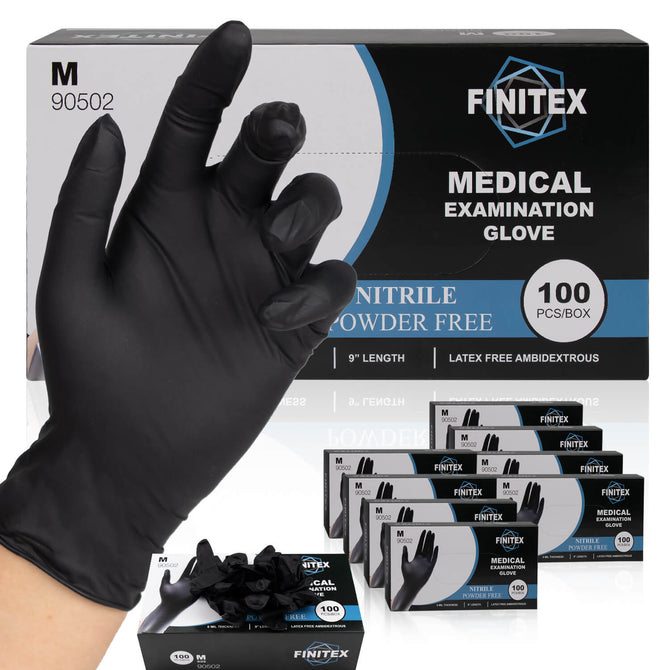
1. Fingertip Texture
Lightly textured fingertips improve precision without sacrificing tactile sensitivity.
Best for:
- Medical examinations
- Dental clinics
- Laboratories
- Electronics assembly
These gloves allow users to handle small instruments while maintaining excellent finger control.
2. Fully Textured Surface
A fully textured glove provides consistent grip across the entire palm and fingers.
Ideal for:
- Food preparation
- Janitorial work
- General maintenance
- Warehousing
Because the texture covers more surface area, users experience better control when lifting boxes, handling supplies, or working with wet materials.
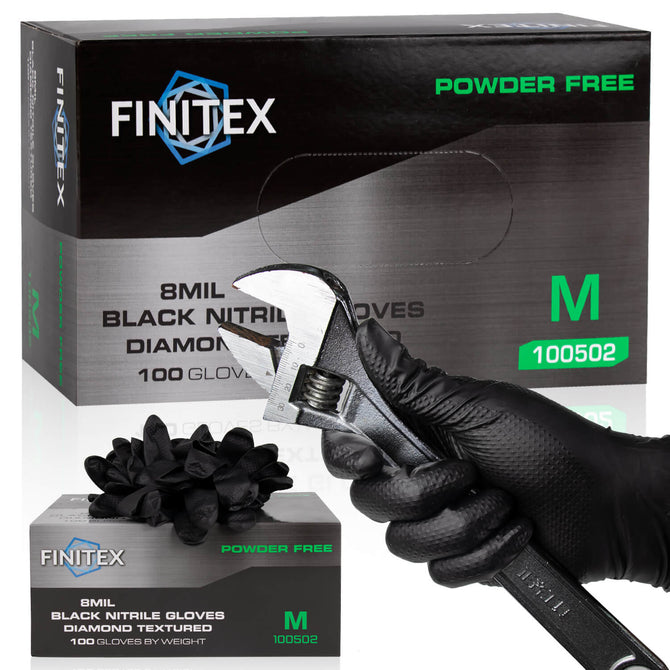
3. Diamond Texture
Diamond-textured nitrile gloves feature raised geometric patterns that create channels between the glove and the object being held.
These channels help disperse oil, grease, and liquids while increasing friction.
They're an excellent choice for:
- Automotive repair
- Heavy equipment maintenance
- Machine shops
- Oil and gas industries
- Industrial manufacturing
Diamond grip gloves also allow better airflow inside the glove, helping reduce sweating during long work shifts.
Choosing the Right Glove Thickness
Grip is only part of the equation. Thickness affects durability, flexibility, and puncture resistance.
| Thickness | Best Applications |
|---|---|
| 3–4 mil | Food service, light cleaning, medical exams |
| 5–6 mil | Laboratories, dental offices, warehouses, commercial cleaning |
| 7–8 mil | Automotive repair, industrial maintenance, construction |
| 9+ mil | Heavy chemicals, manufacturing, abrasive environments |
Thicker gloves generally provide greater puncture resistance but may slightly reduce tactile sensitivity. The right balance depends on your daily tasks.
Industry Guide: Which Grip Works Best?
Healthcare & Medical
Healthcare professionals need excellent tactile sensitivity while maintaining a secure hold on instruments.
Look for:
- Fingertip textured nitrile gloves
- 4–5 mil thickness
- Powder-free
- Exam-grade quality
These gloves provide reliable grip without limiting dexterity during patient care.
Automotive & Mechanical Work
Mechanics frequently handle engine oil, grease, coolants, and metal components.
A diamond-textured glove provides superior grip even when surfaces become slippery.
Recommended features include:
- 8 mil or thicker
- Diamond texture
- Chemical resistance
- High puncture resistance
Food Processing & Commercial Kitchens
Food workers constantly move between wet ingredients, cutting tools, and food preparation equipment.
Choose gloves with:
- Full-hand texture
- 5–6 mil thickness
- Food-safe certification
- Powder-free construction
These gloves improve handling while maintaining food safety standards.
Laboratory & Chemical Applications
Laboratory workers often require both chemical resistance and precision.
Look for gloves offering:
- Textured fingertips
- 6–8 mil thickness
- Resistance to common laboratory chemicals
- Comfortable fit for extended wear
Always verify chemical compatibility before handling hazardous substances.
Cleaning & Janitorial Services
Commercial cleaners work with disinfectants, detergents, bleach, and other chemicals while frequently encountering wet surfaces.
The ideal glove should offer:
- Raised grip texture
- 6–8 mil thickness
- Strong chemical resistance
- Excellent tear resistance
This combination helps improve both safety and productivity.
Other Features Worth Considering
Besides grip, several additional features can improve comfort and performance.
Powder-Free Design
Powder-free gloves reduce skin irritation and minimize contamination, making them the preferred option in healthcare, food service, and laboratories.
Ergonomic Fit
Well-designed nitrile gloves conform naturally to the hand, reducing muscle strain during extended use.
Beaded Cuff
A reinforced cuff makes gloves easier to put on while reducing the risk of tearing during donning.
Latex-Free Material
Nitrile eliminates the risk of natural rubber latex allergies while providing excellent durability.
Why Professionals Choose FINITEX Nitrile Gloves
At FINITEX, we understand that different industries require different levels of grip.
Our disposable nitrile gloves are available in multiple textured options to match your work environment, including:
- Fingertip textured gloves for precision handling
- Fully textured gloves for everyday industrial use
- Diamond-textured gloves for oily and slippery applications
Combined with excellent puncture resistance, comfortable fit, and dependable durability, FINITEX gloves help professionals work more confidently in demanding environments.
Whether you're stocking a medical clinic, managing a repair shop, or purchasing supplies for a cleaning company, there's a FINITEX glove designed for your application.
Final Thoughts
Choosing the best nitrile gloves with grip isn't just about texture—it's about finding the right balance of durability, comfort, protection, and control.
By considering your work environment, the materials you handle, and the level of grip you need, you can select gloves that improve both safety and productivity.
Investing in the right disposable nitrile gloves today means fewer accidents, better performance, and greater confidence on the job.
Frequently Asked Questions
What texture provides the best grip on nitrile gloves?
Diamond-textured nitrile gloves generally offer the strongest grip, especially in oily or wet environments. For precision work, fingertip-textured gloves are often the better choice.
Are thicker nitrile gloves more grippy?
Not necessarily. Grip mainly depends on the surface texture. However, thicker gloves are typically more durable and puncture-resistant, making them ideal for heavy-duty work.
Can textured nitrile gloves be used for food handling?
Yes. As long as the gloves are food-safe and comply with relevant regulations, textured nitrile gloves are commonly used in commercial kitchens and food processing facilities.
Are nitrile gloves better than latex for grip?
Modern textured nitrile gloves provide grip comparable to or better than latex gloves while offering superior chemical resistance and eliminating latex allergy concerns.