
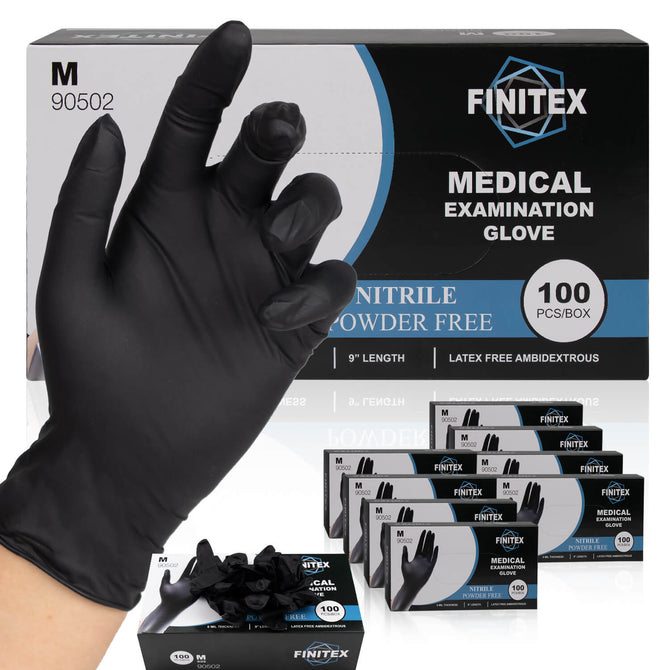
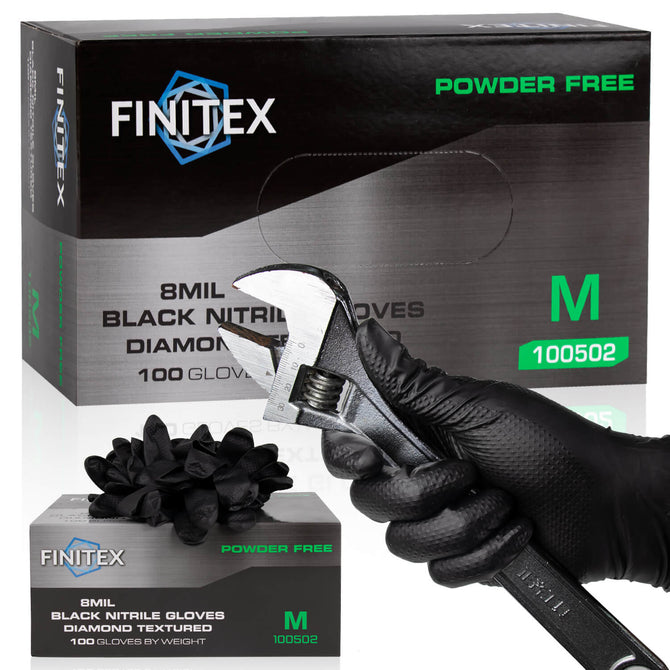

If you work with tools, machinery, chemicals, or electrical equipment, you may have wondered: Do nitrile gloves conduct electricity?
Nitrile gloves are widely used in automotive repair, cleaning, healthcare, laboratories, food preparation, manufacturing, and other industries. They are popular because they offer a combination of flexibility, puncture resistance, chemical resistance, and tactile sensitivity.
But electrical safety is a different matter.
Although nitrile is generally a poor conductor of electricity, ordinary disposable nitrile gloves are not electrical insulating gloves and should not be used as protection against electric shock.
Understanding the difference is important before choosing gloves for any job involving electricity.
The Short Answer: Do Nitrile Gloves Conduct Electricity?
Nitrile itself is generally a poor conductor of electricity. However, disposable nitrile gloves are not designed, tested, or rated to protect workers from electrical shock.
That distinction matters.
A disposable nitrile glove may act as a physical barrier between your skin and a surface, but that does not make it suitable electrical PPE. Glove thickness, manufacturing quality, moisture, damage, stretching, and the conditions of use can all affect how a glove performs.
For work involving exposed energized electrical parts, use properly rated rubber insulating gloves rather than ordinary disposable nitrile gloves.
OSHA's electrical protective equipment requirements specify the use of rubber insulating gloves and other electrical protective equipment for applicable electrical hazards, with equipment rated according to the voltage involved.
What Are Nitrile Gloves Made Of?
Nitrile gloves are made from nitrile rubber, a synthetic rubber based on acrylonitrile-butadiene.
Compared with natural latex, nitrile offers several advantages that make it popular for disposable gloves:
-
Latex-free construction
-
Good resistance to many common chemicals
-
Good puncture resistance
-
Flexible fit and tactile sensitivity
-
Protection against dirt, oils, and contaminants
-
Available in a wide range of thicknesses and colors
These properties make disposable nitrile gloves useful for many everyday and professional applications, including automotive work, cleaning, tattooing, food handling, laboratories, and general maintenance.
However, chemical resistance and puncture resistance are not the same thing as electrical protection.
A glove can perform well against chemicals or mechanical hazards without being appropriate for electrical hazards.
Why Doesn't "Non-Conductive" Mean "Electrical Safe"?
This is where many people get confused.
Materials such as rubber and plastic generally have high electrical resistance compared with metals. Because of this, they are often described as insulators or poor electrical conductors.
But there is an important difference between:
A material having electrical resistance
and
A glove being certified as electrical protective equipment.
Electrical protective gloves are specifically manufactured and tested for their intended electrical application.
For example, ASTM D120 covers rubber insulating gloves designed and tested for protection against electrical shock. The standard includes different electrical classes, from Class 00 through Class 4, with testing requirements for electrical performance as well as physical properties.
Ordinary disposable nitrile gloves do not fall into that category simply because nitrile has insulating properties.
Are Nitrile Gloves Safe Around Electricity?
It depends on what you mean by "around electricity."
For routine tasks where there is no exposed energized electrical hazard, disposable nitrile gloves can still be useful for protecting your hands from oils, grease, dirt, chemicals, and contaminants.
For example, a technician may wear nitrile gloves while handling:
-
Automotive components
-
Lubricants and oils
-
Tools and machine parts
-
Electrical equipment that has been properly de-energized
-
Dirty or contaminated components
-
Cleaning chemicals
In these situations, the primary purpose of the nitrile glove is hand protection from contamination, chemicals, and mechanical hazards—not protection from electric shock.
If exposed energized parts are involved, however, ordinary nitrile gloves should not be relied upon for electrical protection.
Can Electricians Wear Nitrile Gloves?
Yes, electricians and technicians may wear industrial nitrile gloves for certain tasks, but not as a substitute for electrical insulating gloves.
For example, nitrile gloves can be useful when working with grease, oils, dirt, sealants, or other substances that electricians may encounter during maintenance and repair.
They may also be worn during work on equipment that has been properly de-energized, where the primary hazards are contamination or hand protection rather than electric shock.
However, when electrical PPE is required, the appropriate voltage-rated insulating gloves and other protective equipment should be used.
OSHA states that insulating gloves used for electrical work must be rated for the voltage to which the worker may be exposed. OSHA also requires electrical protective equipment to be inspected and maintained appropriately, and damaged insulating equipment must be removed from service.
Can You Use Nitrile Gloves for Low-Voltage Electrical Work?
This is another area where caution is important.
It is tempting to assume that "low voltage" automatically means a disposable nitrile glove is sufficient protection. That is not a safe assumption.
Whether electrical PPE is required depends on the specific equipment, work environment, exposure, and applicable safety procedures—not simply on the fact that the voltage is relatively low.
For any task involving a potential electrical shock hazard, follow the applicable workplace electrical safety procedures and use PPE appropriate for the hazard.
If there is an exposed energized component, do not treat a disposable nitrile glove as an electrical insulating glove simply because nitrile has high electrical resistance.
What Gloves Are Designed for Electrical Protection?
When workers need protection from electrical shock, they should use electrical insulating gloves specifically manufactured and tested for that purpose.
ASTM D120 covers rubber insulating gloves for electrical shock protection and specifies six classes with different electrical characteristics.
OSHA also recognizes requirements for rubber insulating equipment and specifies electrical classes and maximum-use voltages.
Depending on the job, electrical workers may also need additional PPE and protective equipment, such as:
-
Leather protector gloves
-
Insulating sleeves
-
Dielectric footwear
-
Face and eye protection
-
Insulating mats or barriers
-
Properly rated insulated tools
The exact PPE requirements depend on the electrical hazard and applicable safety regulations.
Nitrile Gloves vs. Electrical Insulating Gloves
The two types of gloves serve very different purposes.
| Feature | Disposable Nitrile Gloves | Electrical Insulating Gloves |
|---|---|---|
| Primary purpose | Hand protection and contamination control | Protection against electrical shock |
| Material | Nitrile rubber | Electrical-grade insulating rubber |
| Chemical resistance | Good, depending on glove formulation | Depends on glove and application |
| Puncture resistance | Varies by thickness and design | Designed for electrical PPE applications |
| Electrical protection rating | Not intended for electrical shock protection | Specifically tested and rated |
| ASTM D120 | No | Yes, when compliant |
| Suitable for energized electrical work | No | Yes, when properly selected and used |
The key takeaway is simple:
A disposable nitrile glove can be non-conductive without being an electrical safety glove.
What About Static Electricity?
Electrical conductivity and static electricity are not exactly the same issue.
A standard nitrile glove may have relatively high electrical resistance, but that does not automatically mean it is suitable for every environment where static control is important.
Industries such as electronics manufacturing, semiconductor production, laboratories, and explosive or highly sensitive environments may have specific requirements for ESD-safe or antistatic gloves.
If static control is important for your application, choose gloves specifically designed and tested for that environment rather than assuming any nitrile glove will provide the required level of static protection.
Does Glove Thickness Affect Electrical Resistance?
Glove thickness can affect the electrical resistance of a material, but thicker does not automatically mean electrically safe.
A 3 mil disposable nitrile glove and an 8 mil industrial nitrile glove may have very different physical properties. A thicker glove may provide greater resistance to punctures, tears, and some chemicals, but that does not give it an electrical safety rating.
This is why you should never choose an electrical glove simply by looking at its thickness.
For electrical hazards, the important question is not:
"How thick is the glove?"
It is:
"Is the glove specifically designed, tested, and rated for the electrical hazard involved?"
Can Nitrile Gloves Be Used When Handling Electrical Components?
For many routine maintenance tasks, nitrile gloves can be useful for keeping hands clean and protecting against oils, dirt, and other contaminants.
For example, a technician working on a de-energized machine may use nitrile gloves to reduce skin contact with grease or cleaning chemicals.
However, the glove should not be considered the primary electrical protection.
Before handling electrical equipment, workers should follow appropriate procedures for de-energizing and verifying the equipment is safe to work on. When a task involves exposed energized components, use the electrical PPE required for that specific hazard.
Common Mistakes When Using Nitrile Gloves Around Electricity
1. Assuming nitrile gloves are electrical gloves
Nitrile's insulating properties do not make an ordinary disposable glove certified electrical PPE.
2. Choosing a thicker glove for electrical protection
An 8 mil industrial nitrile glove may provide more physical protection than a thinner glove, but thickness alone does not establish electrical protection.
3. Using damaged gloves
Cuts, tears, punctures, and other damage can reduce the protective performance of any glove. Electrical insulating equipment is subject to specific inspection requirements, and OSHA prohibits the use of insulating equipment with defects that could damage its insulating properties.
4. Relying on gloves instead of safe work practices
Gloves are only one part of workplace safety. Electrical work requires appropriate procedures, equipment, and hazard controls.
5. Confusing ESD protection with shock protection
Antistatic or ESD gloves address static-control requirements. They are not automatically designed to protect a worker from electrical shock.
When Are Disposable Nitrile Gloves a Good Choice?
While disposable nitrile gloves should not be used as electrical insulating PPE, they remain an excellent choice for many jobs where electrical hazards are not the primary concern.
Common applications include:
-
Automotive repair: protecting hands from oil, grease, and grime
-
Cleaning: creating a barrier between skin and cleaning chemicals
-
Tattooing: maintaining hygiene and reducing contamination
-
Food preparation: protecting hands during food-handling tasks
-
Laboratory work: providing a disposable barrier against many common substances
-
Home maintenance: keeping hands clean during messy jobs
-
Gardening: reducing contact with soil, fertilizers, and contaminants
For these applications, choosing the right glove thickness and texture can make a noticeable difference in durability, grip, and comfort.
FAQs About Nitrile Gloves and Electricity
Are nitrile gloves electrically conductive?
Nitrile is generally a poor conductor of electricity, but ordinary disposable nitrile gloves should not be considered electrical protective equipment.
Can nitrile gloves protect you from electric shock?
No. Ordinary disposable nitrile gloves are not designed or rated to protect against electrical shock. Use properly rated electrical insulating gloves when electrical PPE is required.
Can electricians wear nitrile gloves?
Yes. Electricians may use nitrile gloves for tasks involving oils, grease, dirt, chemicals, or contamination, particularly when electrical hazards have been controlled. They should not be used instead of required electrical insulating gloves.
Are thicker nitrile gloves safer around electricity?
Not necessarily. Thickness can affect physical properties, but it does not give a disposable nitrile glove an electrical safety rating.
Are nitrile gloves safe for low-voltage electrical work?
Do not assume so. The presence of a relatively low voltage does not automatically make disposable nitrile gloves appropriate electrical PPE. Follow the applicable electrical safety procedures and use properly rated protection when required.
What gloves should I use for electrical work?
Use electrical insulating gloves specifically designed, tested, and rated for electrical protection. In the United States, ASTM D120 covers rubber insulating gloves used for protection against electrical shock.
Bottom Line: Nitrile Gloves Are Not Electrical Gloves
So, do nitrile gloves conduct electricity?
Nitrile is generally a poor conductor, but that does not mean disposable nitrile gloves can protect you from electrical shock.
The distinction is important:
Nitrile gloves = general hand protection
Electrical insulating gloves = electrical shock protection
If you are working with exposed energized electrical components, use the appropriate electrical PPE and follow your workplace's electrical safety procedures. OSHA requires applicable insulating equipment to meet specific design, rating, inspection, and testing requirements.
For automotive repair, cleaning, gardening, tattooing, food handling, maintenance, and other jobs where your main concerns are dirt, oils, chemicals, contaminants, and everyday hand protection, disposable nitrile gloves remain a practical option.
Explore FINITEX nitrile gloves in different thicknesses, colors, and styles to find the right option for your everyday work.
Choose the glove for the hazard—not simply the material.