

Gloves are used for everything from gardening and construction to food preparation, cleaning, healthcare, automotive work, and pet care. They protect your hands from dirt, moisture, chemicals, sharp materials, and other workplace hazards.
But gloves don't last forever.
So, how long should gloves last?
There isn't one universal answer. A pair of leather work gloves may last for months or even years, while disposable nitrile gloves are designed to be replaced much more frequently.
The right replacement schedule depends on the glove material, the task, how often the gloves are used, and whether they have been exposed to chemicals, contaminants, moisture, or physical damage.
In this guide, we'll look at how long different types of gloves typically last, when disposable gloves should be changed, and the signs that tell you it's time for a new pair.
What Determines How Long Gloves Last?
Several factors affect glove lifespan. Understanding them can help you choose the right glove and avoid relying on gloves that are no longer providing adequate protection.
1. Glove Material
The material is one of the biggest factors affecting durability.
Leather gloves are designed for repeated use and can last months or years when properly maintained. They're commonly used for gardening, landscaping, construction, and general work.
Nitrile, latex, and vinyl disposable gloves are designed primarily for single-use applications. Their purpose isn't to last for days or weeks; it's to provide a clean protective barrier for a particular task and then be replaced.
Fabric gloves can be comfortable and breathable but may wear out relatively quickly during abrasive or heavy-duty work.
Cut-resistant and Kevlar gloves can withstand demanding applications, but their lifespan still depends on the amount of abrasion, cutting, heat, and other exposure they experience.
The important distinction is that durability doesn't automatically mean a glove should continue to be used indefinitely. A reusable glove should be replaced when damage or wear compromises its protective performance.
2. How Often the Gloves Are Used
A glove used several times a day will naturally experience more wear than one used occasionally.
For reusable work gloves, frequent use can lead to:
-
Thinning material
-
Worn fingertips
-
Reduced grip
-
Stretched areas
-
Cracks or tears
-
Loss of protective properties
For disposable gloves, frequency works differently.
You generally don't try to make one pair last all day. Instead, gloves should be changed when they become contaminated, damaged, or when the task changes and a fresh pair is appropriate.
That's particularly important in healthcare, food preparation, cleaning, and other environments where cross-contamination is a concern.
3. The Type of Work
A glove used to plant flowers isn't exposed to the same conditions as a glove used to handle automotive fluids or industrial chemicals.
Heavy-duty work can accelerate glove wear through:
-
Friction
-
Sharp edges
-
Repetitive movement
-
Oil and grease
-
Chemicals
-
Heat
-
Moisture
-
Contact with rough surfaces
For disposable nitrile gloves, choosing the appropriate thickness and formulation can make a significant difference.
For example, a lightweight 3–4 mil nitrile glove may be a good fit for food preparation, examinations, light cleaning, or other tasks where dexterity is important.
For more demanding applications, a 6–8 mil nitrile glove may offer greater durability and resistance to tearing.
The key is to match the glove to the job rather than assuming that the thickest glove is always the best choice.
4. Chemicals and Other Environmental Conditions
Chemicals can affect glove materials differently.
Some chemicals may cause a glove to swell, weaken, crack, or lose its protective properties. Temperature, moisture, UV exposure, and storage conditions can also affect glove performance.
This is particularly important when working with:
-
Cleaning chemicals
-
Solvents
-
Automotive fluids
-
Disinfectants
-
Agricultural chemicals
-
Hair and beauty products
-
Industrial chemicals
If you're working with a specific chemical, don't choose gloves based on material name alone.
Chemical resistance depends on the specific glove formulation, chemical, concentration, temperature, and duration of exposure.
Always check the manufacturer's chemical-resistance information and follow the chemical product's safety instructions.
How Long Do Disposable Nitrile Gloves Last?
This is one of the most common questions about disposable gloves.
The short answer is:
Disposable nitrile gloves are intended for single use.
That doesn't mean every pair needs to be discarded after a specific number of minutes or hours.
Instead, replacement should be based on the task and condition of the glove.
A disposable nitrile glove should generally be replaced when:
-
The glove tears or develops a hole
-
The glove becomes heavily soiled or contaminated
-
You finish a task that requires a fresh pair
-
You move from a contaminated task to a clean task
-
You need to prevent cross-contamination between people, animals, food, or work areas
-
The glove has been exposed to a chemical beyond its recommended resistance conditions
-
The glove becomes damaged or no longer fits properly
In other words, don't think of a disposable glove as something that lasts "all day." Think of it as a single-use protective barrier that should be replaced as needed.
How Often Should You Change Nitrile Gloves?
There is no universal timer that applies to every workplace.
Instead, consider what you're doing and what you're touching.
Food Preparation
Change disposable gloves when they become contaminated, damaged, or when moving between different food-handling tasks where a fresh pair is appropriate.
For example, handling raw meat and then handling ready-to-eat food with the same gloves can create a cross-contamination risk.
Healthcare and Dental
Gloves should be changed between patients and whenever they become contaminated, damaged, or when moving between tasks that require a clean pair. For healthcare and dental applications, exam-grade nitrile gloves are a common disposable option when appropriate.
Gloves are not a substitute for hand hygiene.
Cleaning
Disposable nitrile gloves can be useful when handling cleaning products or dirty surfaces. Replace them if they tear, become contaminated inside, or if the task requires a fresh pair.
For chemical-heavy applications, make sure the glove is appropriate for the specific chemical rather than assuming all nitrile gloves provide the same protection.
Automotive Work
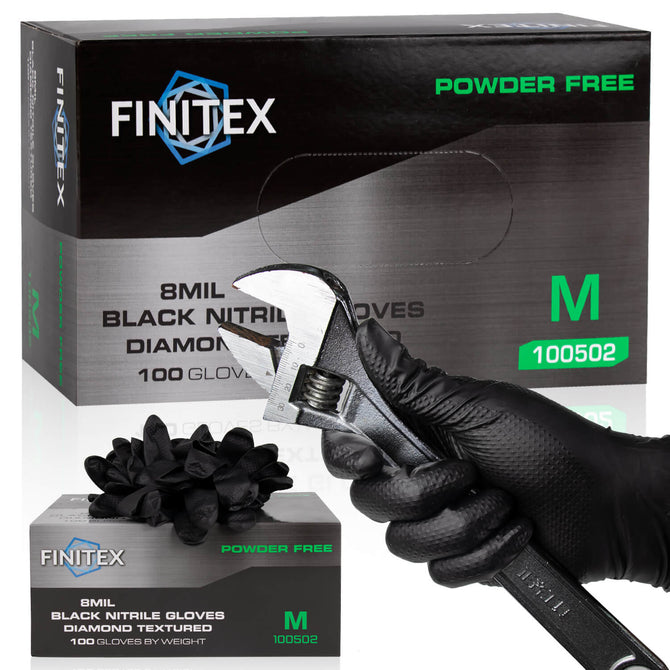
Mechanics often choose thicker nitrile gloves because automotive work can involve grease, oil, fluids, solvents, metal components, and sharp edges.
A 6–8 mil nitrile glove can be a practical choice when greater durability is needed.
However, even a heavy-duty disposable glove should be replaced once it becomes damaged or no longer provides the intended barrier.
Pet Grooming and Veterinary Work
Groomers and veterinary professionals may use disposable nitrile gloves when handling animals, cleaning equipment, examining skin conditions, or working with certain treatment products.
Gloves should be changed between appropriate tasks and whenever contamination or damage occurs.
When working with medicated or pesticide products, always follow the product label and PPE requirements. Not every nitrile glove is suitable for every chemical.
How Long Do Different Types of Gloves Last?
The expected lifespan varies considerably depending on whether the glove is disposable or reusable.
| Glove Type | Typical Use | Replacement Guidance |
|---|---|---|
| Disposable nitrile | Healthcare, food prep, cleaning, automotive, grooming | Single use; replace when contaminated, damaged, or when changing tasks |
| Disposable vinyl | Food prep, light-duty cleaning, general handling | Single use; replace when contaminated or damaged |
| Latex disposable | Healthcare and general applications | Single use; replace between appropriate tasks |
| Leather work gloves | Construction, gardening, landscaping | Replace when worn, cracked, torn, or no longer protective |
| Cut-resistant gloves | Manufacturing, food processing, material handling | Replace when cuts, thinning, or damage affect protection |
| Winter gloves | Outdoor work and cold weather | Replace when insulation or weather protection deteriorates |
| Chemical-resistant reusable gloves | Chemical handling and industrial work | Replace according to manufacturer's inspection and replacement guidance |
These are general guidelines rather than fixed expiration periods.
For reusable gloves, inspect them regularly. For disposable gloves, focus less on "how many hours" and more on whether the glove is still appropriate for the current task.
Signs That Your Reusable Gloves Need to Be Replaced
If you're using reusable work gloves, inspect them before and after demanding jobs.
Look for:
Holes and Tears
Even a small hole can compromise the glove's protective barrier.
Thinning Material
Repeated friction can create thin areas, especially around fingertips, palms, and between the fingers.
Loss of Grip
A worn or damaged grip can make it harder to safely handle tools and materials.
Cracks or Stiffness
Some glove materials can become brittle or crack after repeated exposure to chemicals, heat, sunlight, or improper storage.
Changes in Fit
Stretching, shrinking, or deformation can affect dexterity and comfort.
Persistent Contamination or Odor
If a reusable glove cannot be adequately cleaned or continues to retain contamination or strong odors, replacement may be appropriate.
Can You Reuse Disposable Nitrile Gloves?
Generally, no.
Disposable nitrile gloves are designed for single-use applications. Washing, disinfecting, or reusing them can compromise the material and increase the risk of contamination.
If a disposable glove has been used for a task and needs to be removed, replace it with a new pair rather than trying to extend its lifespan.
This is especially important in applications where hygiene and cross-contamination control matter.
Disposable doesn't mean "wear until it breaks." It means use it for the intended task, then replace it appropriately.
How to Get Better Performance From Your Gloves
You can't make disposable gloves reusable, but you can help ensure you get the best performance from every pair.
Choose the Right Thickness
Match glove thickness to the application.
-
3–4 mil: Lightweight work and applications where dexterity is important
-
5–6 mil: A balance of durability and flexibility
-
6–8 mil: More demanding tasks where additional durability is useful
Thickness alone doesn't determine chemical resistance, so always check the glove's specifications for chemical applications.
Choose the Right Size
A glove that's too tight can stretch excessively and become uncomfortable.
A glove that's too loose can reduce dexterity and grip.
The right size should fit comfortably around the fingers and palm without excessive stretching or bunching.
Choose Textured Gloves for Wet or Slippery Tasks
If you're frequently handling wet surfaces, tools, bottles, or greasy materials, textured nitrile gloves can provide additional grip.
This can be particularly useful for:
-
Automotive work
-
Pet grooming
-
Cleaning
-
Food preparation
-
Maintenance
-
Industrial applications
Store Disposable Gloves Correctly
Even unused gloves can deteriorate if they're stored improperly.
Keep disposable gloves in their original packaging and store them in a cool, dry environment away from excessive heat, direct sunlight, moisture, and chemicals.
Follow the manufacturer's storage recommendations for the specific product.
When Should You Replace Disposable Nitrile Gloves?
Instead of asking, "How many hours can I wear this glove?" ask:
Is this glove still clean, intact, and appropriate for the task I'm doing?
If the answer is no, it's time for a new pair.
A simple replacement checklist is:
Torn? → Replace.
Contaminated? → Replace.
Changing tasks? → Consider a fresh pair.
Changing patients, customers, animals, or food-handling stages? → Replace when required by your procedures.
Chemical exposure outside the glove's intended conditions? → Replace and reassess PPE requirements.
No longer fits or provides the expected protection? → Replace.
This approach is much safer than trying to maximize the number of hours you get from a disposable glove.
Final Thoughts: How Long Should Gloves Last?
There isn't a single lifespan that applies to every type of glove.
Reusable leather, work, and specialty gloves can last for months or years when properly selected, maintained, and inspected. Disposable gloves are different: they are designed for single use and should be replaced when the task, contamination level, or glove condition calls for it.
For disposable nitrile gloves, the goal isn't to make one pair last as long as possible.
The goal is to choose the right glove for the job and replace it at the right time.
Whether you're preparing food, cleaning a commercial space, working on a vehicle, grooming a pet, or working in a healthcare environment, the right glove can provide a comfortable and practical layer of hand protection.
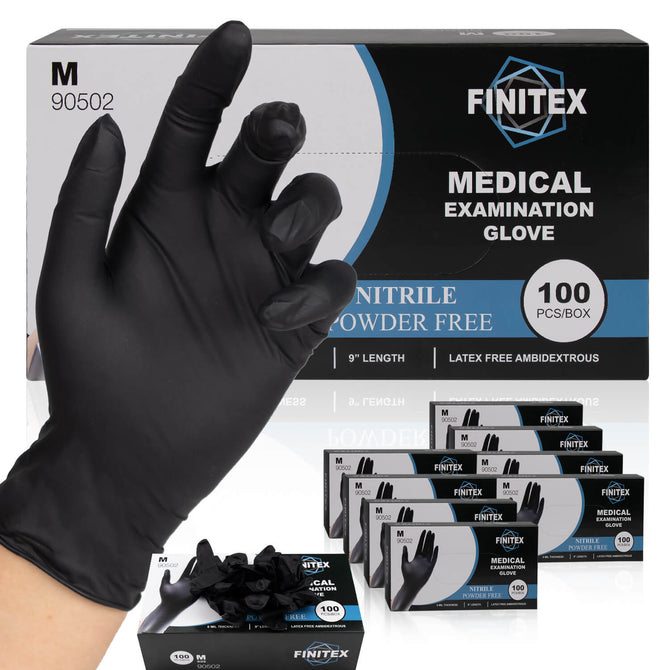
At TITANS MEDICARE, we offer a wide range of [disposable nitrile gloves] in different thicknesses, colors, and specifications for everyday and professional applications.
Looking for a lightweight option for dexterity-focused tasks or a heavier glove for demanding work? Explore our FINITEX nitrile gloves collection to find the right fit for your application.