


Labor Day weekend marks the unofficial end of summer in the United States—and for catering companies, BBQ restaurants, food trucks, and event kitchens, it can be one of the busiest weekends of the season.
Large outdoor parties mean more burgers on the grill, more brisket coming off the smoker, more sides being prepared, and a steady stream of food being portioned and packed. When the workload increases, so does the need for reliable hand protection.
For busy foodservice crews, the right disposable gloves aren't just about keeping hands clean. They need to hold up through greasy prep work, repeated stretching, frequent glove changes, and long shifts without becoming a distraction.
Why Labor Day Weekend Puts Extra Pressure on Foodservice Crews
Labor Day catering is different from an ordinary weekend shift. Orders can come in large batches, preparation often starts hours before an event, and multiple employees may move between grilling, food preparation, portioning, and packaging.
A typical Labor Day BBQ operation may involve:
-
Handling raw meat and poultry
-
Preparing burgers, ribs, brisket, and pulled pork
-
Working with marinades, sauces, and cooking oils
-
Portioning cooked food for large groups
-
Packing takeout and catering trays
-
Cleaning greasy preparation surfaces
-
Changing gloves repeatedly throughout the shift
This combination makes high-volume food prep safety especially important.
A glove that works well for light food preparation may not be the best choice when employees are stretching it repeatedly or working through several hours of greasy, high-volume production.
What to Look for in Labor Day Catering Supplies
When purchasing Labor Day catering supplies, disposable gloves are easy to overlook. Yet they are one of the items that foodservice teams can go through fastest during a busy event.
For commercial kitchens, BBQ operations, and food trucks, look for gloves that offer a practical balance of:
1. Strong Stretch and Tear Resistance
Food preparation involves constant hand movement. Opening packaging, grabbing meat, tying bags, portioning food, and handling utensils can all stretch a glove.
Thin gloves may feel comfortable initially but can be more vulnerable to tearing when repeatedly stretched.
A thicker nitrile glove can provide additional durability for demanding prep tasks, helping crews spend less time stopping to replace gloves because of accidental tears.
2. Resistance to Grease and Oils
BBQ preparation is a messy business.
Cooking oils, meat juices, marinades, sauces, and grease can quickly coat the hands and gloves. Nitrile is a practical choice for many food handling tasks because it provides a durable synthetic-rubber barrier and generally performs well around common oils and greases.
For greasy food preparation, a textured nitrile surface can also help improve grip when handling slippery packaging, utensils, or containers.
3. A Comfortable Fit for Long Shifts
Durability shouldn't come at the expense of dexterity.
Catering employees may spend hours chopping ingredients, assembling trays, handling utensils, and packaging individual portions. Gloves that are excessively loose can interfere with precision, while gloves that are too tight can become uncomfortable.
Choosing the correct glove size is therefore just as important as choosing the right thickness.
4. Easy Glove Changes
Foodservice workers should change gloves whenever contamination may occur—for example, after handling raw meat before moving to ready-to-eat food.
During Labor Day events, this can happen repeatedly.
That makes gloves with easy donning and removal especially valuable. A glove that can be changed quickly helps keep the workflow moving without encouraging employees to wear the same pair longer than they should.
For demanding food preparation, heavy-duty nitrile gloves can provide additional durability for repetitive handling and messy prep work.
Are Heavy-Duty Nitrile Gloves Suitable for Grilling?
This is where an important distinction matters.
Disposable nitrile gloves should not be treated as heat-resistant gloves.
A thicker nitrile glove can be useful for food preparation, handling ingredients, portioning cooked food, and other tasks where durability and protection from food residues are important. However, disposable nitrile gloves should not be used as a substitute for certified heat-resistant BBQ or oven gloves when directly handling hot cookware, grill grates, or other high-temperature surfaces.
For BBQ pitmaster gloves, use the right glove for the right task:
-
Disposable nitrile gloves: food preparation, ingredient handling, portioning, and packaging
-
Heat-resistant BBQ gloves: handling hot equipment and cookware
-
Nitrile gloves over suitable food-safe liners: certain messy preparation tasks where additional comfort or cleanliness is desired, provided the combination is appropriate for the task
This layered approach can help catering crews separate food-handling protection from thermal protection.
Why Black Nitrile Gloves Work Well for BBQ Crews
Black nitrile gloves have become a popular choice in professional kitchens, BBQ restaurants, and food trucks for more than just practical reasons.
The dark color gives a clean, professional appearance that fits naturally into commercial foodservice environments.
Black also helps conceal stains from sauces, seasonings, and food residues, although this does not mean the gloves are clean. Workers should still follow proper glove-change procedures rather than judging cleanliness by appearance.
For BBQ teams working at outdoor events, black gloves can also create a consistent professional look across the crew.
When appearance matters—such as catering weddings, corporate events, festivals, and private parties—small details can contribute to a more polished operation.
Food Safety Matters More When Volume Goes Up
The biggest Labor Day challenge isn't simply the number of meals being prepared. It's maintaining the same food-handling standards when everything is happening faster.
When orders pile up, employees may be tempted to:
-
Keep the same gloves on for too long
-
Move from raw meat to ready-to-eat foods without changing gloves
-
Touch phones, door handles, or equipment while wearing food-preparation gloves
-
Handle packaging and food with the same gloves after touching contaminated surfaces
Disposable gloves are only one part of a food safety program. Proper handwashing, glove changes, clean equipment, temperature control, and separation of raw and ready-to-eat foods remain essential.
Gloves should never replace handwashing.
A Practical Glove Strategy for Labor Day Catering
For high-volume catering operations, it can help to organize gloves around the actual workflow rather than treating every task the same.
Raw meat preparation:
Choose durable disposable nitrile gloves that provide a good fit and enough stretch for repetitive handling.
Cooked food portioning:
Use a fresh pair after handling raw ingredients and keep ready-to-eat food handling separate from raw-food preparation.
BBQ and sauce preparation:
A thicker nitrile glove with a textured surface can be useful when dealing with greasy ingredients, sauces, and slippery containers.
Food packaging:
Choose gloves that provide sufficient dexterity for folding containers, sealing bags, and assembling catering trays.
Hot equipment:
Switch to appropriate heat-resistant BBQ or oven gloves. Disposable nitrile gloves are not designed for direct high-temperature contact.
Stock Up Before the Labor Day Rush
For catering companies and food trucks, running out of disposable gloves during a holiday weekend isn't a minor inconvenience. It can interrupt the workflow and create unnecessary pressure on an already busy crew.
August is a good time to review glove consumption before Labor Day orders arrive.
Look at:
-
Average glove usage per employee
-
Number of catering events scheduled
-
Expected guest counts
-
Different glove sizes required
-
Thickness needed for different tasks
-
Additional inventory needed for high-volume shifts
It is also worth keeping multiple glove sizes available. A one-size-fits-all approach rarely works well for a professional kitchen with a larger team.
Choosing the Right Nitrile Thickness for Food Prep
Thickness should be matched to the task.
Nitrile glove thickness should be matched to the task. Lighter nitrile gloves can offer greater tactile sensitivity and flexibility for detailed food preparation. Thicker gloves generally provide greater durability and are better suited to messy, demanding tasks where gloves are exposed to repeated stretching.
For Labor Day BBQ and catering operations, a medium-to-heavy-duty nitrile glove can be a practical choice for greasy preparation, meat handling, and high-volume work—while lighter gloves may still make sense for tasks where maximum dexterity is more important.
The key is not simply choosing the thickest glove available. It's choosing the glove that matches the job.
Prepare Your Crew Before the Holiday Weekend
A successful Labor Day catering operation depends on more than having enough food and staff.
Before the weekend begins, make sure employees know:
-
When to wash their hands.
-
When to put on a new pair of gloves.
-
When gloves must be changed between tasks.
-
Which gloves are intended for food preparation.
-
Which gloves are appropriate for handling hot equipment.
-
Where clean gloves and other PPE are stored.
A few minutes of preparation before the rush can make a significant difference when hundreds or even thousands of meals are being prepared.
Final Thoughts
Labor Day weekend can be one of the biggest outdoor foodservice opportunities of the summer, but high-volume BBQ and catering work also puts extra demands on employees and equipment.
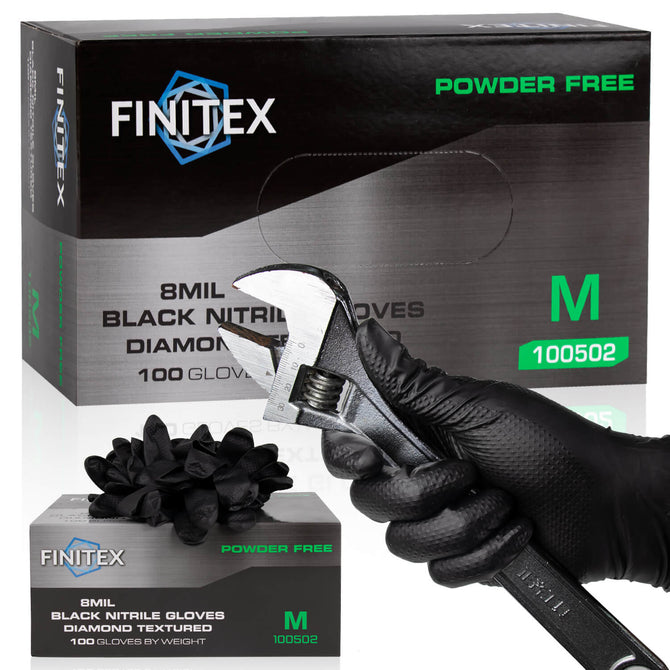
Reliable heavy-duty black nitrile gloves can help crews handle greasy ingredients, repetitive food preparation, portioning, and packaging while maintaining a professional workflow. For demanding operations, thicker black nitrile gloves offer a useful combination of durability, oil resistance, grip, and professional appearance.
Just remember that disposable nitrile gloves are not heat-resistant gloves. Pair them with appropriate thermal protection whenever employees work directly with hot grills, cookware, or other high-temperature surfaces.
With the right Labor Day catering supplies, a well-stocked glove inventory, and clear food-handling procedures, your crew can spend less time worrying about supplies—and more time keeping the holiday crowd fed.
FAQ: Labor Day Catering & Disposable Gloves
What are the best disposable gloves for Labor Day catering?
Nitrile gloves are a popular choice for commercial food preparation because they are latex-free and provide good flexibility, durability, and resistance to many common oils and greases. The ideal thickness depends on the task.
Are black nitrile gloves good for BBQ?
Yes. Black nitrile gloves are commonly used for food preparation and BBQ-related tasks such as handling ingredients, meat preparation, portioning, and packaging. They should not be used for direct contact with hot grill surfaces.
Can nitrile gloves protect hands from grill heat?
No. Disposable nitrile gloves are not designed to provide thermal protection. Use certified heat-resistant BBQ or oven gloves when handling hot cookware, grill grates, or other high-temperature equipment.
How often should catering workers change disposable gloves?
Gloves should be changed whenever they become contaminated, damaged, or when workers switch between tasks that could cause cross-contamination. Gloves should also be changed when moving from raw food handling to ready-to-eat food preparation.
Are thicker nitrile gloves better for food preparation?
Not necessarily. Thicker gloves generally provide greater durability, while thinner gloves may provide better tactile sensitivity. Catering crews should select thickness based on the specific task rather than simply choosing the thickest option.
How many disposable gloves should a catering company stock for Labor Day?
There is no universal number. Estimate based on employee count, event size, expected glove changes, and the number of Labor Day events scheduled. For high-volume operations, maintaining additional inventory of commercial nitrile gloves is a sensible precaution.