

Why Nitrile Gloves Are Essential for Lab Research and Sample Collection
Laboratory research demands accuracy at every stage. From preparing reagents and collecting samples to analyzing results under a microscope, even the smallest mistake can affect data quality. During the summer months, when laboratories welcome new interns, graduate students, and seasonal researchers, maintaining consistency becomes even more important.
One often-overlooked factor in laboratory performance is glove selection. The right disposable gloves not only protect users from chemical exposure but also support the precision required for delicate scientific work.
For modern research environments, powder-free nitrile gloves have become the industry standard, offering an ideal balance of protection, comfort, and tactile sensitivity.
Why Precision Matters in Laboratory Work
Many laboratory procedures involve handling extremely small volumes of liquids, fragile specimens, or sensitive instruments. Tasks such as:
- Pipetting microliter samples
- Preparing biological specimens
- Handling laboratory glassware
- Operating microscopes
- Labeling and organizing samples
- Conducting analytical testing
all require precise hand movements.
Bulky or poorly fitting gloves can reduce dexterity, making it harder to perform delicate procedures accurately. Researchers need gloves that move naturally with their hands while maintaining a reliable protective barrier.
The Importance of Powder-Free Gloves in Research Laboratories
Contamination control is a critical part of laboratory operations.
Traditional powdered gloves were designed to make gloves easier to put on and remove. However, powder particles can create unwanted complications in laboratory settings.
Risks Associated with Powdered Gloves
Powder residue may:
- Contaminate samples
- Interfere with sensitive assays
- Affect analytical results
- Transfer particles to laboratory equipment
- Increase cleaning requirements
For laboratories conducting biological, pharmaceutical, chemical, or environmental research, even trace contamination can compromise experimental integrity.
This is why most modern laboratories choose powder-free nitrile gloves for sample collection and research applications.
Why Nitrile Gloves Are Better Than Latex and Vinyl for Lab Use
Not all disposable gloves provide the same level of performance.
The table below highlights the key differences among common glove materials.
| Feature | Nitrile Gloves | Latex Gloves | Vinyl Gloves |
|---|---|---|---|
| Chemical Resistance | Excellent | Moderate | Limited |
| Puncture Resistance | Excellent | Good | Low |
| Allergy Risk | None (Latex-Free) | Possible Latex Allergies | Minimal |
| Tactile Sensitivity | Excellent | Excellent | Moderate |
| Durability | High | Moderate | Low |
| Laboratory Suitability | Excellent | Good | Limited |
For laboratories handling chemicals, reagents, and biological materials, nitrile consistently offers the strongest overall performance.
Chemical Splash Protection: A Critical Laboratory Requirement
Researchers regularly work with substances that can irritate or damage skin.
Common laboratory chemicals include:
- Ethanol
- Isopropyl alcohol
- Formaldehyde solutions
- Acids and bases
- Cleaning and disinfecting agents
- Laboratory reagents
While no disposable glove provides universal protection against every chemical, high-quality nitrile gloves offer superior resistance to many commonly encountered laboratory substances.
This makes nitrile the preferred option for laboratories seeking dependable protection against accidental chemical splashes while maintaining flexibility for precision tasks.
The Challenge: Protection Without Sacrificing Dexterity
Many researchers face a common dilemma:
Thicker gloves provide protection but often reduce sensitivity.
Thinner gloves improve touch but may compromise durability.
The best laboratory gloves strike a balance between both requirements.
Researchers need to feel subtle movements when:
- Pressing pipette plungers
- Positioning microscope slides
- Opening sample tubes
- Handling delicate instruments
- Recording observations
A glove that fits naturally can significantly improve both comfort and performance during long laboratory sessions.
FINITEX Second-Skin Technology: Designed for Precision
At FINITEX, glove design starts with understanding how researchers actually work.
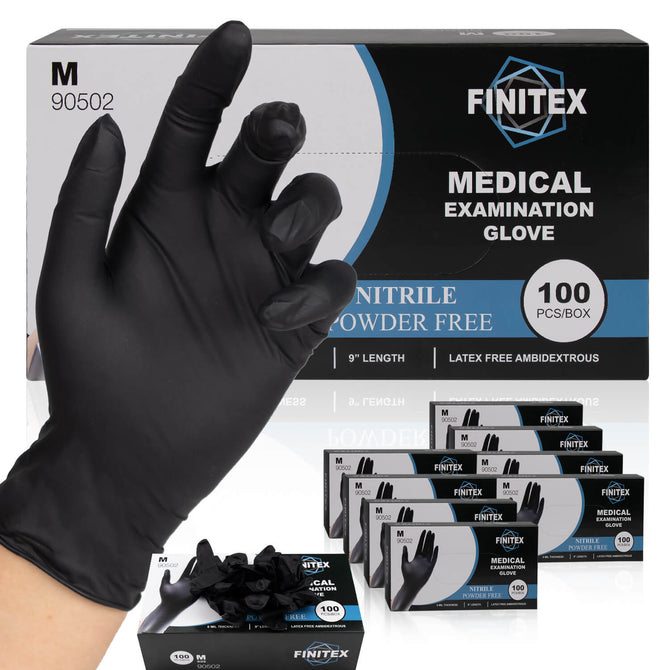
FINITEX powder-free nitrile gloves feature a Second-Skin fit, engineered to closely conform to the natural shape of the hand.
Benefits of the FINITEX Second-Skin Fit
Enhanced Tactile Sensitivity
Researchers can maintain excellent fingertip control when performing delicate laboratory procedures.
Improved Pipetting Accuracy
A close-fitting glove helps users maintain consistent grip and control during repetitive pipetting tasks.
Better Microscope Operation
Fine adjustments become easier when gloves move naturally with the fingers instead of creating excess material around the fingertips.
Reduced Hand Fatigue
A comfortable fit minimizes distraction and improves wearability during extended research sessions.
The result is a glove that feels less like protective equipment and more like a natural extension of the hand.
How High-Performance Nitrile Gloves Improve Laboratory Efficiency
The benefits of premium laboratory gloves extend beyond personal protection.
1. Reduced Risk of Sample Contamination
Powder-free construction helps maintain cleaner working conditions and supports reliable experimental results.
2. Greater Research Accuracy
Improved dexterity allows researchers to perform delicate tasks with confidence.
3. Enhanced User Comfort
Comfortable gloves encourage compliance and reduce the need for frequent glove changes.
4. Better Laboratory Safety
Strong chemical and puncture resistance help protect personnel throughout daily operations.
5. Increased Productivity
When researchers spend less time adjusting gloves, they can focus on the work that matters most.
Choosing the Right Nitrile Gloves for Laboratory Research
When selecting laboratory gloves, consider the following factors:
Powder-Free Construction
Essential for contamination-sensitive environments.
Reliable Chemical Resistance
Important for routine handling of laboratory reagents and cleaning chemicals.
Comfortable Fit
Supports long-term wear and precise hand movements.
High Tactile Sensitivity
Necessary for pipetting, sample handling, and instrument operation.
Durable Nitrile Material
Provides protection against tears and punctures during daily use.
FINITEX gloves are designed to meet these requirements while delivering the comfort and control researchers expect in modern laboratory environments.
Final Thoughts
Successful laboratory research depends on precision, consistency, and safety. As laboratories become busier during the summer research season, choosing the right disposable gloves becomes even more important.
Powder-free nitrile gloves offer the contamination control, chemical resistance, and dexterity needed for modern scientific work.
For researchers who demand exceptional control when handling samples, operating pipettes, or working with microscopes, FINITEX Second-Skin nitrile gloves provide a unique combination of protection and precision.
When every movement matters, the right glove can make all the difference.