

Have you ever opened a box of nitrile gloves and noticed that some of them have turned yellow?
It can be surprising, especially when the gloves were originally blue, white, pink, or another light color. In most cases, yellow discoloration does not automatically mean that nitrile gloves are unsafe. The cause can range from normal exposure to sweat and chemicals to prolonged heat, light, or improper storage.
So, why do nitrile gloves turn yellow? And how can you tell the difference between harmless discoloration and signs that a glove should be replaced?
This guide explains the most common causes of yellow nitrile gloves and what to look for before using them.
Why Do Nitrile Gloves Turn Yellow?
Nitrile gloves are made from synthetic rubber and contain other ingredients used during manufacturing, including pigments, stabilizers, and processing additives. Over time, environmental conditions and contact with other substances can change the appearance of the material.
The most common causes of yellowing include:
-
Sweat and skin oils
-
Heat, light, and aging
-
Contact with chemicals
-
Manufacturing and storage conditions
The cause is not always obvious, and in some cases, more than one factor may contribute to the discoloration.
1. Sweat and Skin Oils Can Cause Discoloration
If nitrile gloves turn yellow while you are wearing them, sweat and skin oils may be part of the reason.
Hands naturally produce moisture, oils, and other substances. During extended wear, these can accumulate inside the glove and contribute to changes in appearance, particularly around the palms and fingertips.
This is more noticeable with light-colored gloves because even a small change in color can be easy to see.
Does sweat damage nitrile gloves?
Not necessarily.
A small amount of discoloration caused by normal hand moisture does not automatically indicate that the glove has lost its protective properties. However, gloves should still be inspected regularly during extended use.
If you notice:
-
Tears or holes
-
Cracking
-
Brittle material
-
Unusual stickiness
-
Loss of elasticity
-
Significant thinning
the gloves should be replaced.
For jobs involving chemicals, bodily fluids, cleaning products, or food handling, follow the appropriate glove-use and replacement procedures for your workplace.
2. Heat, Light, and Long-Term Storage Can Change Glove Color
Storage conditions can have a major effect on disposable gloves.
Prolonged exposure to heat, direct sunlight, humidity, and other environmental conditions can accelerate aging and cause changes in color or physical properties. This can be particularly noticeable with lighter-colored nitrile gloves.
For example, a box stored near a sunny window, inside a hot vehicle, or in an area with significant temperature fluctuations may age differently from gloves stored under controlled conditions.
How should nitrile gloves be stored?
For best results, keep disposable nitrile gloves:
-
In their original packaging
-
In a cool, dry area
-
Away from direct sunlight
-
Away from excessive heat
-
Away from moisture and chemical vapors
-
Away from equipment that generates heat
Proper nitrile glove storage can help reduce unnecessary aging and keep gloves in better condition before use.
3. Chemicals Can Stain or Affect Nitrile Gloves
Another common reason for yellow nitrile gloves is chemical exposure.
Nitrile is known for its resistance to many oils, chemicals, and common workplace substances, but chemical resistance does not mean chemical-proof. Different chemicals can interact with glove materials in different ways.
Depending on the substance and exposure conditions, contact with products such as:
-
Hair dyes
-
Cleaning chemicals
-
Disinfectants
-
Hydrogen peroxide-based products
-
Solvents
-
Oils and automotive fluids
-
Cosmetic chemicals
may cause staining, discoloration, swelling, softening, or other changes to the glove.
The important point is that color change alone does not tell you whether a glove is chemically resistant to a particular substance.
If your work involves chemical exposure, check the glove manufacturer's chemical-resistance information and select a glove specifically suited to the chemical and concentration involved.
Why do hair-dye chemicals turn nitrile gloves yellow?
Hair color products contain pigments and chemical ingredients that can stain disposable gloves. For more tips on choosing gloves for salon work, see our guide to nitrile gloves for hair dyeing.
This is particularly noticeable when using light-colored gloves during coloring, bleaching, or other salon services. A glove may become visibly stained even when it has not developed a hole.
For hairstylists and colorists, choosing a glove with appropriate chemical resistance and changing gloves when they become damaged or heavily contaminated is more important than appearance alone.
4. Manufacturing Ingredients and Aging May Affect Color
Nitrile gloves are not made from nitrile rubber alone.
During manufacturing, different ingredients may be used to provide properties such as elasticity, durability, color stability, and processing performance. Trace residues or changes in these components over time can sometimes contribute to slight color changes.
This is one reason two gloves from different batches may not age in exactly the same way.
However, yellowing should not be used as the only indicator of glove quality.
A better way to evaluate a glove is to look at its overall condition, including elasticity, strength, surface integrity, packaging condition, and whether it meets the intended application requirements.
Why Are My Unused Nitrile Gloves Turning Yellow?
If your gloves are yellow before you even put them on, storage and aging deserve particular attention.
Check where the gloves have been stored.
For example, ask yourself:
-
Were they exposed to direct sunlight?
-
Were they stored somewhere unusually hot?
-
Was the packaging damaged or left open?
-
Were they stored near chemicals or strong fumes?
-
Have they been stored for a long time?
-
Do the gloves show any signs of cracking, brittleness, or stickiness?
If the gloves have only experienced a mild color change but still look and feel normal, discoloration alone does not necessarily mean they are unusable.
However, if the material has clearly degraded, it is better to replace them.
Are Yellow Nitrile Gloves Safe to Use?
It depends on the condition of the gloves and why they changed color.
A slight color change does not necessarily mean the glove has failed. But visible discoloration combined with physical deterioration is a different situation.
Before using a yellowed nitrile glove, check for:
Signs that the glove may still be usable
-
Material remains flexible
-
No visible holes or tears
-
No cracking
-
Normal elasticity
-
Surface remains intact
-
Packaging has been properly stored
Signs that the glove should be replaced
-
Brittle or stiff material
-
Cracks or splits
-
Tears or holes
-
Unusual stickiness
-
Loss of elasticity
-
Significant swelling or deformation
-
Unknown or excessive chemical exposure
When gloves are used for healthcare, food handling, cleaning, laboratory work, or other applications where barrier protection matters, do not rely on color alone to determine glove performance.
If you are unsure about the condition of the gloves, replacing them is the safer choice.
How to Prevent Nitrile Gloves from Turning Yellow
You cannot completely prevent color changes over the life of a disposable glove, but proper storage and handling can help minimize unnecessary discoloration.
1. Store Gloves Away from Direct Sunlight
Keep glove boxes away from windows and other sources of prolonged UV or strong light exposure.
2. Avoid Excessive Heat
Do not leave boxes of nitrile gloves in hot vehicles, near heaters, or in other high-temperature environments.
3. Keep Gloves Dry
Moisture can contribute to material aging and packaging problems. Store gloves in a clean, dry environment.
4. Keep Gloves Away from Chemicals
Do not store unused gloves next to solvents, cleaning chemicals, disinfectants, or other substances that could affect the packaging or glove material.
5. Follow the Manufacturer's Storage Recommendations
Different glove products can have different storage requirements. Always follow the manufacturer's instructions and inspect older inventory before use.
6. Rotate Your Inventory
If you purchase nitrile gloves in bulk, use older properly stored inventory first rather than allowing boxes to sit unused for long periods.
Does Glove Color Affect Yellowing?
It can affect how noticeable discoloration is.
A small color change may be difficult to see on dark gloves but very obvious on white, blue, pink, or other light-colored gloves.
This does not necessarily mean that light-colored nitrile gloves degrade faster. In many cases, the difference is simply easier to see.
For businesses where appearance matters—such as salons, spas, dental offices, medical aesthetics, and food service—consistent glove color can also contribute to a cleaner and more professional appearance.
How to Choose Nitrile Gloves That Hold Up to Daily Use
Color is only one part of glove selection.
The right disposable nitrile glove should match the actual job. Consider:
-
Thickness: Thicker gloves generally provide greater durability for demanding applications.
-
Chemical resistance: Check compatibility with the specific chemicals you use.
-
Grip: Textured surfaces can improve handling of wet or slippery objects.
-
Fit: A properly fitted glove provides better dexterity and reduces unnecessary stress on the material.
-
Comfort: Breathability, flexibility, and sizing matter during extended wear.
-
Intended use: Healthcare, food handling, cleaning, beauty services, automotive work, and industrial applications may require different glove specifications.
For example, a thin nitrile glove may be suitable for light-duty tasks where dexterity is the priority, while a thicker industrial nitrile glove may be a better choice for automotive repair, heavy cleaning, or jobs involving greater abrasion and puncture risk.
FINITEX Nitrile Gloves for Everyday Protection
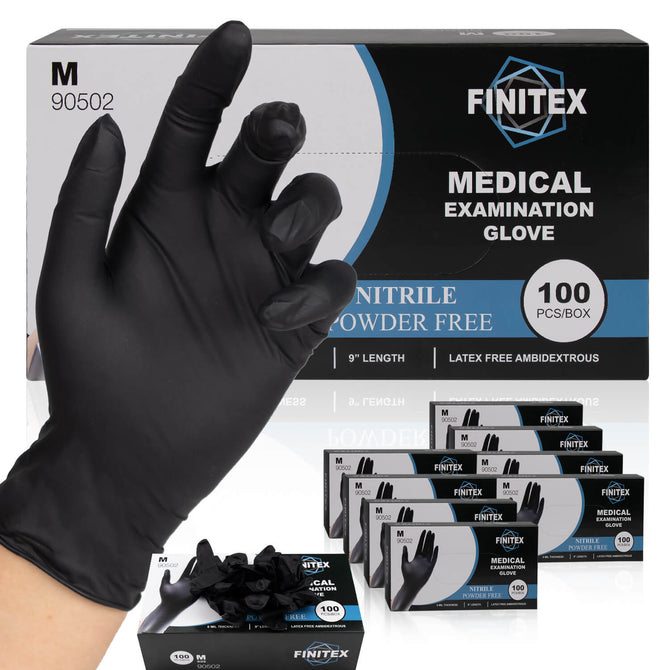
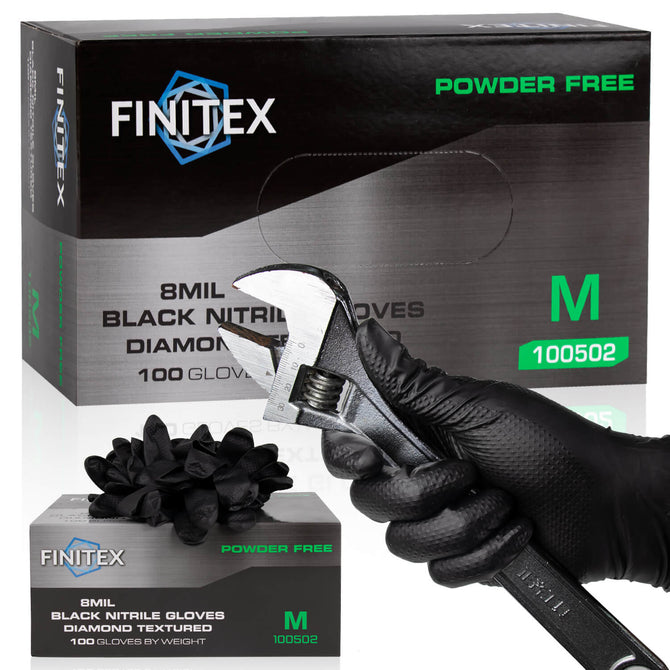
For professionals and businesses that rely on disposable gloves every day, FINITEX Nitrile Gloves offer options for a range of applications.
FINITEX nitrile gloves are available in different thicknesses, colors, and surface textures, making it easier to choose a glove based on the demands of the job.
Whether you work in a salon, dental office, cleaning service, automotive shop, food-service environment, or around the home, selecting the appropriate glove thickness and design can make a noticeable difference in comfort, grip, and durability.
Frequently Asked Questions About Yellow Nitrile Gloves
Why do nitrile gloves turn yellow?
Nitrile gloves can develop a yellow tint because of factors such as sweat and skin oils, chemical exposure, heat, light, aging, storage conditions, or changes associated with manufacturing materials.
Do yellow nitrile gloves mean they are expired?
Not necessarily. Yellowing by itself does not prove that a glove is expired or unsafe. Check the product's storage history, manufacturer's recommendations, and the physical condition of the glove.
Can sunlight make nitrile gloves yellow?
Prolonged exposure to sunlight and other environmental conditions can contribute to color changes and material aging. Store nitrile gloves away from direct sunlight whenever possible.
Can chemicals turn nitrile gloves yellow?
Yes. Certain chemicals, dyes, pigments, and cleaning products can stain or otherwise change the appearance of nitrile gloves. Chemical compatibility should always be evaluated based on the specific substance and exposure conditions.
Should I throw away yellow nitrile gloves?
Not simply because they are yellow. If the gloves remain flexible and intact, discoloration alone may not indicate a loss of performance. However, gloves that are brittle, cracked, sticky, torn, or otherwise degraded should be replaced.
How can I keep nitrile gloves from turning yellow?
Store them in a cool, dry place away from direct sunlight, excessive heat, moisture, chemicals, and chemical vapors. Keeping gloves in their original packaging and rotating bulk inventory can also help.
Final Takeaway
Why do nitrile gloves turn yellow? There isn't always one single answer.
Sweat, skin oils, chemicals, heat, light, storage conditions, and normal aging can all contribute to discoloration. In many cases, a change in color is primarily an appearance issue. The bigger concern is whether the glove has also developed physical signs of degradation.
Before using discolored nitrile gloves, check the material for cracks, brittleness, stickiness, tears, or loss of elasticity. When barrier protection is critical, replace gloves whenever their condition is questionable.
Good storage practices and choosing the right glove for the job can go a long way toward keeping disposable nitrile gloves reliable from the box to the final use.