
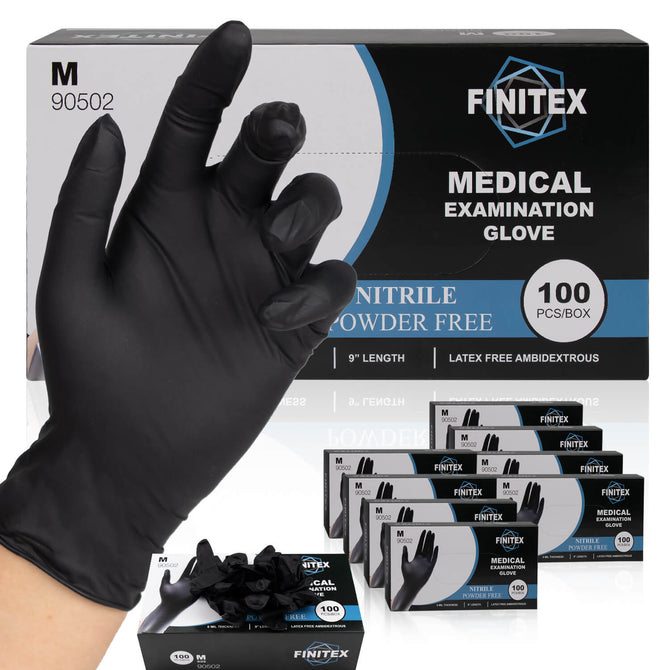
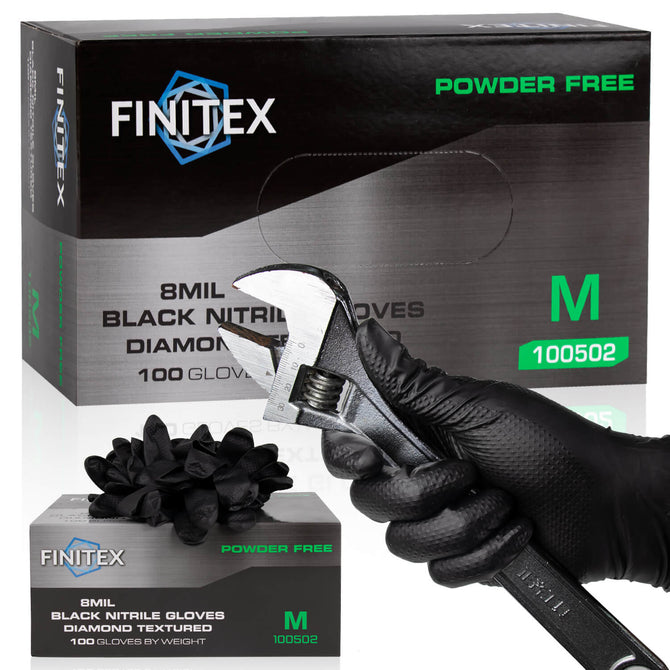

As August arrives, universities across the United States begin preparing for another busy academic year. Chemistry labs, biology classrooms, medical training facilities, and engineering workshops will soon welcome thousands of students for hands-on learning.
Before the first experiment begins, one essential item needs to be ready on every lab bench: certified disposable nitrile gloves.
For procurement teams and laboratory managers, this isn't simply another supply order. Choosing the right gloves helps protect students, instructors, and research staff while supporting laboratory safety standards and reducing unnecessary waste throughout the semester.
Why August Is Peak Purchasing Season for University Lab Supplies
Unlike research laboratories that operate year-round, teaching laboratories experience predictable purchasing cycles.
During late July and August, colleges and universities typically replenish inventories before:
- Introductory chemistry laboratories
- Organic chemistry courses
- Biology and microbiology classes
- Anatomy and physiology labs
- Nursing simulation programs
- Medical laboratory technician training
- Engineering and STEM education workshops
A single university can consume tens of thousands of disposable gloves during one semester. Ordering early helps avoid shipping delays, inventory shortages, and price fluctuations that sometimes occur during the back-to-school season.
For purchasing departments, August is the ideal time to secure bulk case quantities before demand peaks.
Why Nitrile Gloves Are the Standard for University Laboratories
Laboratory environments expose users to a wide range of substances—from acids and solvents to biological samples and laboratory disinfectants.
Compared with latex or vinyl gloves, nitrile gloves offer several important advantages.
Better Chemical Resistance
Students regularly handle chemicals such as:
- Ethanol
- Isopropyl alcohol
- Acetone (brief exposure)
- Diluted acids
- Diluted bases
- Laboratory cleaning agents
Quality nitrile gloves provide better resistance against many common laboratory chemicals than vinyl gloves while also offering stronger puncture resistance.
Although no disposable glove is resistant to every chemical, nitrile is the preferred everyday choice for most teaching laboratories.
Latex-Free Protection
University classrooms include students and faculty from diverse backgrounds, and latex allergies remain a concern.
Choosing nitrile gloves eliminates natural rubber latex proteins, reducing the risk of allergic reactions and simplifying inventory management across departments.
A single glove type can often serve chemistry, biology, nursing, and general laboratory programs.
Excellent Tactile Sensitivity
Laboratory work often requires precise hand movements.
Students frequently need to:
- Transfer liquids with pipettes
- Handle microscope slides
- Label sample tubes
- Assemble laboratory equipment
- Adjust analytical instruments
A properly fitted nitrile glove maintains dexterity without sacrificing protection, making it easier for students to perform delicate tasks accurately.
What Procurement Teams Should Look for When Buying Chemistry Lab Gloves
Not every disposable glove is designed for laboratory education.
Before placing a bulk order, consider the following features.
1. Reliable Chemical Protection
For educational laboratories, gloves should provide dependable protection against commonly used laboratory reagents while remaining comfortable during extended wear.
Look for manufacturers that publish chemical resistance information and product specifications.
2. Textured Fingertips
Textured fingertips improve grip when handling:
- Glass beakers
- Test tubes
- Pipettes
- Forceps
- Laboratory bottles
This simple feature can reduce slips, especially when gloves become damp.
3. Comfortable Fit
Students may spend two to four hours in laboratory sessions.
Soft, flexible nitrile gloves reduce hand fatigue and improve concentration during practical exercises.
4. Strong Tear and Puncture Resistance
Laboratories contain many sharp objects, including:
- Glass slides
- Broken glass
- Needles (medical training)
- Metal instruments
- Forceps
Durable nitrile gloves are less likely to tear during routine laboratory activities.
5. Certification and Quality Standards
University procurement departments often require documentation before approving purchases.
Look for gloves that comply with recognized quality standards and are manufactured under certified quality management systems.
Depending on your application, relevant certifications may include FDA registration for examination gloves, ASTM standards, or other applicable international quality certifications.
Always verify that the glove specifications match your institution's purchasing requirements.
Choosing the Right Glove Thickness for STEM Education
Different laboratory activities require different levels of protection.
| Laboratory Activity | Recommended Thickness |
|---|---|
| Biology Teaching Labs | 3–4 mil |
| Chemistry Laboratories | 4–5 mil |
| Medical Skills Training | 4–5 mil |
| Engineering Workshops | 5–6 mil |
| Laboratory Maintenance & Cleaning | 6–8 mil |
Selecting the appropriate thickness helps balance comfort, dexterity, and durability.
Why Buying Bulk Cases Makes Sense for Universities
Purchasing gloves by the case rather than by individual boxes provides several operational advantages.
Lower Cost Per Glove
Bulk purchasing generally reduces unit pricing, making it easier to stay within departmental budgets.
Simplified Inventory Management
Ordering full cases minimizes emergency reorders during busy teaching periods.
Consistent Product Performance
Using the same glove model across multiple departments helps maintain consistent protection and user experience.
Better Supply Chain Planning
Receiving semester-long inventory before classes begin reduces the risk of stock shortages caused by seasonal demand.
Supporting STEM Education with Reliable Hand Protection
Today's STEM education emphasizes hands-on learning. Whether students are conducting chemistry experiments, culturing bacteria, dissecting specimens, or assembling engineering prototypes, reliable personal protective equipment is essential.
High-quality disposable nitrile gloves help create a safer learning environment while allowing students to develop practical laboratory skills with confidence.
For universities preparing for the fall semester, selecting certified gloves before August demand peaks can make laboratory operations smoother from the very first class.
Why Choose FINITEX® Nitrile Gloves for University Labs?
FINITEX® disposable nitrile gloves are designed to meet the needs of educational, laboratory, and professional users who require dependable hand protection without compromising comfort.
Key benefits include:
- Latex-free material to reduce allergy concerns
- Excellent tactile sensitivity for precision lab work
- Strong puncture and tear resistance
- Textured fingertips for improved grip
- Comfortable fit for extended laboratory sessions
- Available in multiple thicknesses for different STEM applications
- Bulk case packaging ideal for universities and institutional procurement
Whether you're preparing a chemistry department, biology teaching lab, medical simulation center, or engineering workshop, FINITEX helps ensure your students start the semester safely equipped.
Frequently Asked Questions
Are nitrile gloves suitable for university chemistry labs?
Yes. Disposable nitrile gloves are commonly used in university chemistry laboratories because they provide good chemical resistance, puncture protection, and excellent dexterity for routine laboratory work.
What thickness is best for teaching laboratories?
Most educational laboratories use gloves between 4 and 5 mil, which offer a good balance of flexibility and durability. Maintenance tasks or heavy-duty cleaning may require thicker gloves.
Why are latex-free gloves recommended in universities?
Latex-free nitrile gloves reduce the risk of allergic reactions among students, instructors, and staff while simplifying inventory across multiple departments.
Should universities buy gloves in bulk?
Yes. Bulk case purchasing typically lowers cost per glove, reduces shipping frequency, and helps maintain adequate inventory throughout the academic semester.
Are nitrile gloves resistant to laboratory chemicals?
Quality nitrile gloves provide resistance to many commonly used laboratory chemicals. However, glove compatibility depends on the specific chemical, concentration, and exposure time. Always consult the manufacturer's chemical resistance guide before handling hazardous substances.