

Food preparation requires more than fresh ingredients and a clean workspace. The gloves you use can also play an important role in maintaining hygiene, protecting your hands, and making everyday prep work easier.
Whether you're preparing meals at home, working in a restaurant kitchen, running a catering business, or managing a school cafeteria, choosing the right disposable gloves depends on the task. Some jobs require flexibility and dexterity, while others call for greater durability or additional hand protection.
So, what are the best gloves for food prep?
For many everyday food-handling tasks, powder-free nitrile gloves are a practical choice because they offer a balance of fit, durability, tactile sensitivity, and latex-free protection. However, nitrile isn't the only option.
This guide explains the differences between common food prep gloves and what to consider before choosing a pair.
Why Wear Gloves for Food Preparation?
Gloves are one part of a broader food-safety routine. They can help reduce direct contact between hands and food, especially when preparing ready-to-eat foods.
Common food preparation tasks where disposable gloves may be useful include:
-
Preparing sandwiches and salads
-
Handling raw meat and poultry
-
Portioning prepared foods
-
Decorating baked goods
-
Preparing ingredients for catering
-
Serving ready-to-eat foods
-
Cleaning and switching between food preparation tasks
However, gloves are not a substitute for proper handwashing. Hands should be washed before putting on gloves, and gloves should be changed whenever they become contaminated, damaged, or when switching between different tasks.
For commercial food service operations, always follow applicable local food codes and workplace food-safety requirements.
If you're looking for gloves for a busy kitchen, catering operation, or food preparation business, our food service gloves collection offers a starting point for exploring disposable glove options.
Types of Gloves for Food Prep
Disposable food prep gloves are available in several materials. Each has different strengths and limitations.
1. Nitrile Gloves
Nitrile gloves are widely used for food handling because they combine durability with good dexterity.
Unlike natural rubber latex gloves, nitrile gloves are made from synthetic rubber and are latex-free. They also tend to offer better resistance to punctures and tears than thin vinyl or polyethylene gloves.
For food preparation, look for powder-free nitrile gloves that are specifically suitable for food contact.
Nitrile can be a useful option when food prep involves oils, sauces, marinades, or repetitive handling. A properly fitting glove can also make it easier to handle small ingredients without sacrificing too much tactile sensitivity.
You can explore the FINITEX nitrile gloves collection to compare different disposable nitrile glove options.
2. Latex Gloves
Latex gloves are known for their elasticity and close fit. They can provide excellent tactile sensitivity, which is useful for tasks requiring precise hand movements.
The main concern is latex sensitivity. Some workers and customers may have a latex allergy, so latex gloves may not be appropriate for every food-service environment.
For workplaces where latex exposure is a concern, latex-free alternatives such as nitrile or vinyl may be preferable.
3. Vinyl Gloves
Vinyl gloves are generally less expensive than nitrile and can work well for short, light-duty food-handling tasks.
They are latex-free and commonly used for tasks where gloves need to be changed frequently.
However, vinyl generally provides less elasticity and durability than nitrile. It may not be the first choice for demanding food prep tasks involving sharp edges, heavy handling, or prolonged wear.
4. Polyethylene Gloves
Polyethylene gloves are loose-fitting, lightweight, and inexpensive. They are often used for quick tasks where gloves are changed frequently.
For example, they can be suitable for:
-
Sandwich preparation
-
Bakery display handling
-
Salad assembly
-
Serving food
-
Other short-duration tasks
Their loose fit can make them less suitable when precise handling or a secure grip is important.
5. Cut-Resistant Gloves
Cut-resistant gloves serve a different purpose from disposable food-handling gloves.
If you're working with knives, slicers, mandolins, or other sharp equipment, a cut-resistant glove can provide an additional layer of hand protection.
However, cut-resistant gloves should not automatically be treated as a replacement for disposable food-contact gloves. Depending on the task and glove design, a disposable food-contact glove may be worn over a cut-resistant glove when appropriate.
Always follow the manufacturer's instructions and applicable food-safety requirements.
Why Are Nitrile Gloves a Popular Choice for Food Prep?
Among disposable glove materials, nitrile is often chosen when users want a combination of durability, comfort, and dexterity.
Here are some of the main reasons.
Puncture and Tear Resistance
Food preparation doesn't always involve soft ingredients. Bones, shells, sharp packaging, utensils, and other objects can put stress on disposable gloves.
Nitrile generally provides better puncture and tear resistance than thin vinyl or polyethylene gloves, which can make it a practical choice for more demanding tasks.
Latex-Free Protection
For workplaces that want to reduce concerns associated with natural rubber latex, nitrile offers a latex-free alternative.
This can be especially useful in busy food-service environments where employees may have different sensitivities.
Good Tactile Sensitivity
A glove that's too thick or poorly fitted can make food preparation frustrating.
Nitrile gloves are available in different thicknesses, allowing users to choose between greater durability and a lighter, more flexible feel depending on the task.
For detailed preparation work, a properly sized thinner nitrile glove can provide good tactile feedback while still offering the protection expected from a disposable glove.
Resistance to Oils and Grease
Food preparation often involves oils, dressings, marinades, sauces, and greasy ingredients.
Nitrile is generally more resistant to oils and many common chemicals than some other disposable glove materials. However, glove resistance varies by product and chemical, so the manufacturer's specifications should always be checked when chemical exposure is involved.
For more information about the material's advantages and limitations, see our guide to nitrile gloves.
What Thickness Is Best for Food Prep?
Glove thickness is another factor to consider.
A thinner glove can provide more flexibility and tactile sensitivity, while a thicker glove can offer greater durability for demanding tasks.
For everyday food preparation, a lightweight nitrile glove may be sufficient for tasks such as:
-
Sandwich preparation
-
Salad preparation
-
Ingredient handling
-
Food portioning
-
Bakery work
For heavier tasks, a thicker glove may provide additional durability and reduce the chance of tearing.
There isn't one thickness that is right for every kitchen. The best choice depends on the type of work, how long the gloves are worn, and how much protection is needed.
If you're comparing different glove thicknesses, our FINITEX nitrile gloves collection provides a convenient place to explore available options.
Powder-Free Gloves for Food Preparation
When choosing disposable gloves for food handling, powder-free gloves are generally the preferred option.
Powder was historically used inside some disposable gloves to make them easier to put on and remove. However, powder can transfer from gloves onto food and surfaces, making powder-free gloves a more practical choice for food preparation.
Powder-free gloves also help reduce unwanted residue on food, equipment, and work surfaces.
For this reason, always check the product specifications rather than assuming every disposable glove is suitable for food preparation.
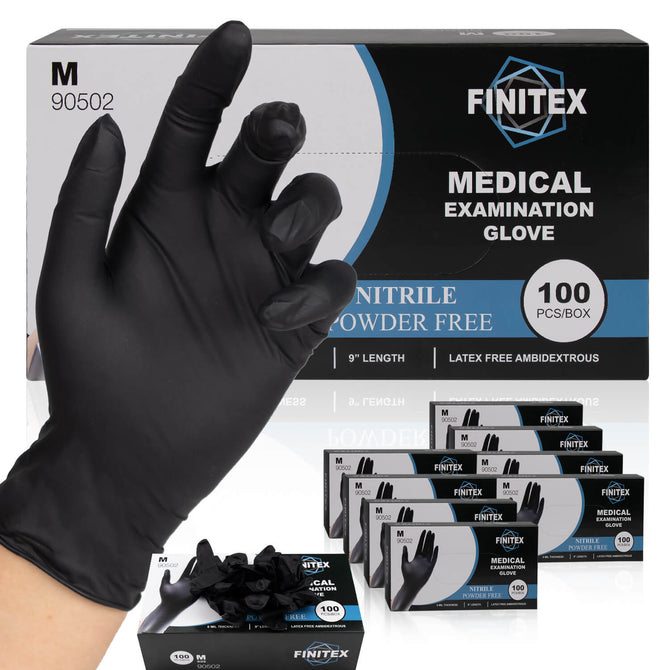
You can also explore our powder-free nitrile exam gloves for additional latex-free, powder-free glove options. Be sure to confirm the intended use of each individual product before using it for food contact.
What to Look for in Food Prep Gloves
Before buying disposable gloves for your kitchen or food-service operation, consider these factors.
1. Food Contact Suitability
This should be your first consideration.
Not every nitrile glove is automatically suitable for food handling. Check the manufacturer's product information and applicable food-contact requirements before using a glove with food.
2. Proper Fit
A glove should fit securely without being excessively tight.
A glove that's too large may slip during food preparation, while one that's too small can stretch excessively and tear more easily.
Measure your hand and use the manufacturer's sizing guide whenever possible.
3. Thickness
Choose glove thickness according to the task.
Lighter gloves can be useful when dexterity is the priority, while thicker gloves may be better suited to jobs where durability matters more.
4. Texture and Grip
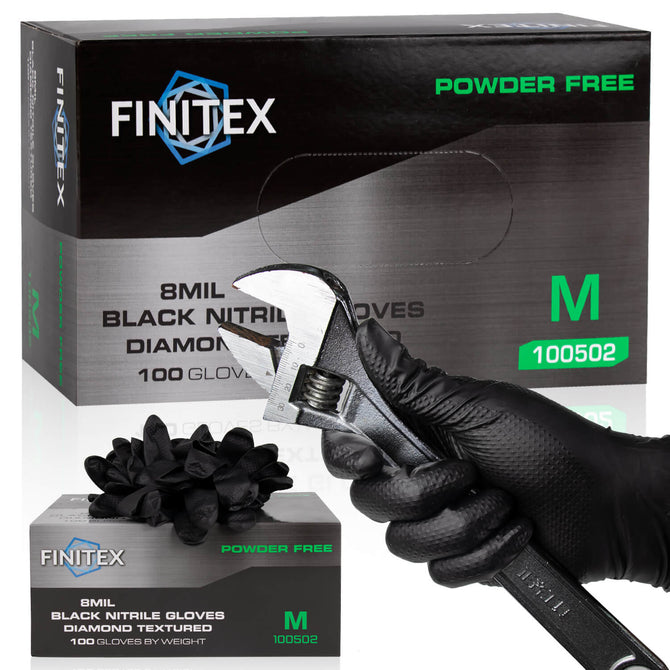
A textured surface can help provide a more secure grip when handling wet or greasy ingredients.
This can be especially useful in busy kitchens where gloves may come into contact with water, oil, sauces, or condensation.
5. Latex-Free Construction
If latex sensitivity is a concern, choose a latex-free glove such as nitrile or vinyl.
6. Powder-Free Design
For food preparation, powder-free gloves are generally the better choice because they minimize the risk of powder transferring onto food or work surfaces.
Nitrile vs. Vinyl vs. Latex for Food Prep
Here's a quick comparison:
| Feature | Nitrile | Latex | Vinyl |
|---|---|---|---|
| Latex-free | Yes | No | Yes |
| Flexibility | Good | Excellent | Moderate |
| Puncture resistance | Good | Good | Lower |
| Tactile sensitivity | Good | Excellent | Moderate |
| Durability | Good | Good | Lower |
| Typical cost | Moderate | Moderate | Lower |
| Best suited for | General food prep and handling | Tasks requiring high flexibility | Light-duty, frequent-change tasks |
Actual performance depends on the specific glove, thickness, formulation, and manufacturer.
For a closer look at how nitrile compares with latex, read What Is the Difference Between Nitrile and Latex Gloves?.
Are Black Nitrile Gloves Suitable for Food Prep?
Color alone does not determine whether a glove is suitable for food contact.
Black nitrile gloves can be useful in many professional environments because they provide a clean, professional appearance. However, always check the specific product's food-contact suitability before using black nitrile gloves for food preparation.
For example, not every FINITEX nitrile glove is intended for food contact. Always refer to the individual product specifications rather than assuming that all nitrile gloves have the same certification or intended use.
If a black glove is appropriate for your application, you can browse the FINITEX black nitrile gloves collection and review each product's specifications before making a selection.
How to Use Disposable Gloves Safely
Choosing the right glove is only part of proper food handling.
Wash Your Hands First
Gloves should be put on after proper handwashing, not instead of it.
Change Gloves Regularly
Replace gloves when they become dirty, damaged, contaminated, or when changing tasks.
Don't Wash and Reuse Disposable Gloves
Disposable gloves are designed for single use. Reusing them can increase the risk of contamination.
Avoid Touching Unnecessary Surfaces
Touching phones, door handles, trash cans, or other contaminated surfaces while wearing food prep gloves can defeat the purpose of wearing them.
Use the Correct Glove for the Task
For example, a disposable nitrile glove may be suitable for food handling, while a cut-resistant glove may be needed when working with sharp equipment.
Choosing the Right Food Prep Gloves for Your Business
Different food-service environments may have different glove requirements.
A restaurant preparing sandwiches may prioritize dexterity and frequent glove changes. A catering company handling large quantities of food may put more emphasis on durability and comfort. A butcher or meat-processing operation may need a combination of disposable food-contact gloves and additional cut or thermal protection.
The goal isn't simply to find the thickest or most expensive glove.
Instead, choose a glove based on:
-
The type of food being handled
-
Whether the glove is suitable for food contact
-
Required durability
-
Required dexterity
-
Glove thickness
-
Fit and sizing
-
Latex sensitivity
-
Frequency of glove changes
-
Applicable food-safety requirements
For businesses that need disposable gloves in larger quantities, visit the FINITEX food service gloves collection to explore available options.
FAQs About Food Prep Gloves
What are the best disposable gloves for food prep?
For many food preparation tasks, powder-free nitrile gloves are a practical option because they provide a balance of durability, flexibility, and tactile sensitivity. However, the specific glove should be verified as suitable for food contact.
Are nitrile gloves safe for food preparation?
Some nitrile gloves are suitable for food handling, but not all nitrile gloves are automatically food-safe. Always check the product's intended use and manufacturer's specifications before using it with food.
Are black nitrile gloves food safe?
Black nitrile gloves can be suitable for food contact when the specific product is manufactured and labeled for that use. Glove color alone does not determine food safety.
Are nitrile gloves better than vinyl gloves for food prep?
Nitrile generally offers greater durability and puncture resistance than vinyl, while vinyl can be a more economical choice for light-duty tasks requiring frequent glove changes. The better option depends on the job.
Can I use latex gloves for food preparation?
Latex gloves can be used for some food-handling applications when the specific glove is suitable for food contact. However, latex allergies are an important consideration, so latex-free alternatives such as nitrile may be preferable in some workplaces.
Should food prep gloves be powder-free?
Yes. Powder-free gloves are generally preferred for food preparation because they help prevent powder from transferring to food and work surfaces.
How often should I change food prep gloves?
Change disposable gloves whenever they become torn, dirty, contaminated, or when switching between different food-handling tasks. Follow your workplace's food-safety procedures and applicable local requirements.
Final Thoughts
The right food prep glove depends on the job.
For many kitchens, restaurants, catering businesses, and food-service operations, powder-free nitrile gloves offer a useful combination of durability, dexterity, and latex-free protection. Vinyl and polyethylene can work well for lighter tasks, while latex may provide excellent flexibility for users without latex sensitivities.
Most importantly, don't choose a glove based on material or color alone. Check whether the specific glove is intended for food contact, choose the right size and thickness, and replace disposable gloves whenever they become contaminated or damaged.
With the right gloves and good hand-hygiene practices, food preparation can be cleaner, more comfortable, and easier to manage.
Looking for disposable gloves for food service? Explore the FINITEX food service gloves collection or browse powder-free nitrile exam gloves for additional options.
Visit TITANS MEDICARE to explore disposable gloves for food service, cleaning, healthcare, and other professional applications. For bulk orders or product questions, contact our sales team.