

When fall arrives, many pet owners think about cooler walks, thicker coats, and the seasonal shedding that comes with them.
For veterinary clinics and professional pet groomers, however, autumn brings another concern: parasite control and infection prevention.
Fleas, ticks, mites, skin infections, and other conditions can keep veterinary teams and groomers busy well into the fall. Pets arriving for treatment may require medicated baths, flea and tick treatments, skin examinations, wound care, or parasite removal. Each task can put workers in direct contact with animal skin, bodily fluids, contaminated surfaces, or chemical treatment products.
That makes the right disposable glove more than a basic grooming supply.
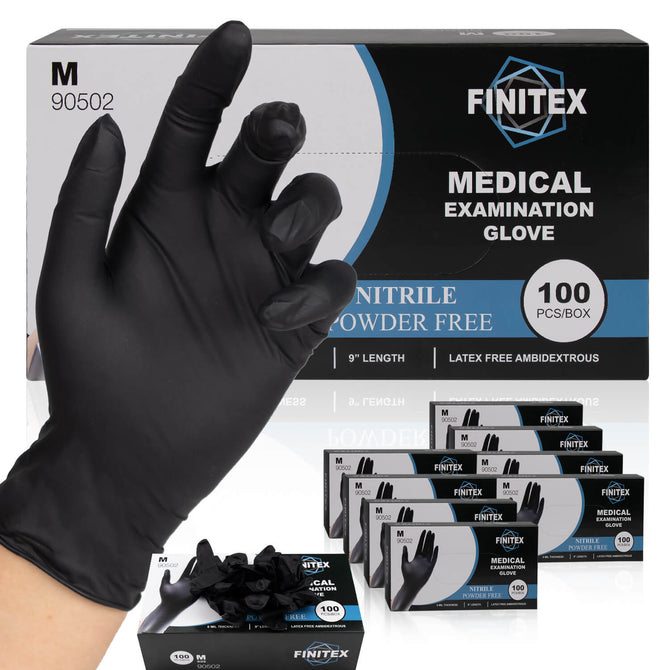
For many clinics and grooming facilities, heavy-duty nitrile gloves can provide an important layer of hand protection during routine autumn parasite-control work.
From Spring Shedding to Fall Parasite Control
Spring and fall bring two very different challenges for pet professionals. In our earlier guide, The Secret Hack for Spring Shedding, we explored why nitrile gloves have become a go-to choice for groomers dealing with loose fur, dander, and frequent bathing. But once summer winds down, the conversation changes. Fleas, ticks, skin problems, and medicated treatments become a bigger part of the day—and that calls for a different approach to hand protection.
Why Fall Is Still a Critical Flea and Tick Season
There is no single nationwide "tick season" in the United States. Tick activity varies according to species, geography, temperature, and life stage.
But that does not mean parasite concerns disappear when summer ends.
According to the CDC, ticks in the United States are generally most active during the warmer months, with activity extending through spring, summer, and fall. The CDC also notes that some tick species remain active into the fall, and tick exposure can occur year-round in warmer regions.
For veterinary clinics and groomers, this creates a practical challenge: late summer and fall can remain busy periods for parasite examinations and treatment, even as outdoor temperatures begin to drop.
An animal coming in for a routine grooming appointment may have more than loose fur.
A groomer may discover:
-
Fleas or flea dirt
-
Attached or crawling ticks
-
Skin irritation and inflammation
-
Hot spots or open sores
-
Suspected mites
-
Secondary skin infections
-
Contaminated fur around wounds or irritated areas
Veterinary professionals may also need to examine animals for conditions associated with tick exposure. Some tick species transmit pathogens responsible for diseases such as Lyme disease and anaplasmosis.
The result is a work environment where parasite control, chemical exposure, and biological exposure can overlap.
Groomers: More Than Just Shampoo and Clippers
Professional grooming often looks straightforward from the outside. But as we discussed in our guide to nitrile gloves for pet grooming, groomers deal with much more than shampoo and clippers—from wet coats and cleaning chemicals to skin conditions and frequent hand washing.
Wash. Rinse. Dry. Brush. Trim.
But parasite-related appointments can be considerably more demanding.
A groomer may need to handle an animal receiving a medicated bath, flea treatment, tick removal, or another veterinary-directed treatment. Depending on the product, this may involve shampoos, sprays, dips, or other formulations designed to control external parasites.
The EPA lists shampoos, sprays, collars, dusts, and spot-on products among the flea and tick control products used for pets. It also emphasizes that users should carefully follow the product label and its precautions.
That matters because "pet-safe" does not automatically mean "safe for unrestricted skin contact."
A product formulated for use on an animal is still a chemical product, and the appropriate PPE depends on the formulation and its label.
For professional groomers, disposable gloves can help reduce direct skin contact during tasks such as:
-
Applying medicated shampoos
-
Handling treated coats
-
Removing visible ticks
-
Washing contaminated fur
-
Cleaning grooming equipment
-
Handling animal waste
-
Disinfecting contaminated work areas
The important point is to follow the product label first. Some pesticide products specifically require chemical-resistant gloves or other PPE, and the acceptable glove material may depend on the formulation.
Why Nitrile Is a Practical Choice for Parasite-Control Work
Not all disposable gloves perform the same way.
For grooming and veterinary environments, nitrile has several characteristics that make it a practical option.
1. Better Protection Against Many Common Workplace Chemicals
Nitrile is widely used where workers need disposable hand protection combined with resistance to many oils and chemicals.
However, it is important not to treat every nitrile glove as universally chemical-resistant.
Glove thickness, formulation, chemical concentration, contact time, and the specific chemical all matter.
For pesticide or medicated treatment products, the product label should determine the required PPE. EPA guidance specifically notes that the appropriate glove type can depend on the solvent and formulation of the pesticide.
For routine grooming work, a thicker nitrile glove can provide an additional barrier against splashes and accidental contact compared with very thin disposable gloves.
2. A Barrier Between Hands and Animal Contaminants
Chemical exposure is only one part of the equation.
Veterinary and animal-care workers can also encounter bacteria, fungi, parasites, animal waste, blood, urine, saliva, and other potentially contaminated materials.
The CDC notes that veterinary and animal-care workers face occupational exposure to zoonotic diseases—diseases that can spread from animals to people.
Disposable gloves can help create a barrier between the worker's skin and contaminated materials.
For example, gloves may be appropriate when:
-
Examining irritated or infected skin
-
Handling wounds
-
Removing ticks
-
Cleaning animal waste
-
Handling contaminated bedding
-
Cleaning cages and equipment
-
Working with animal tissues or fluids
CDC guidance for animal-care workers specifically recommends gloves when handling animals, animal waste, equipment, and pesticides.
3. Latex-Free Protection
Many professional grooming and veterinary operations prefer latex-free disposable gloves to reduce concerns associated with latex exposure.
Nitrile gloves are made from synthetic rubber rather than natural rubber latex, making them a practical latex-free glove option for many workplaces.
For facilities serving large numbers of employees and customers, standardizing on latex-free gloves can also simplify PPE purchasing and inventory management.
4. Better Durability for Repetitive Work
Parasite-control appointments are not always gentle on gloves.
A groomer may be working around claws, teeth, wet fur, grooming tools, metal equipment, and constant hand movement.
A thin glove that works well for a quick cleaning task may not be the best choice for a longer appointment.
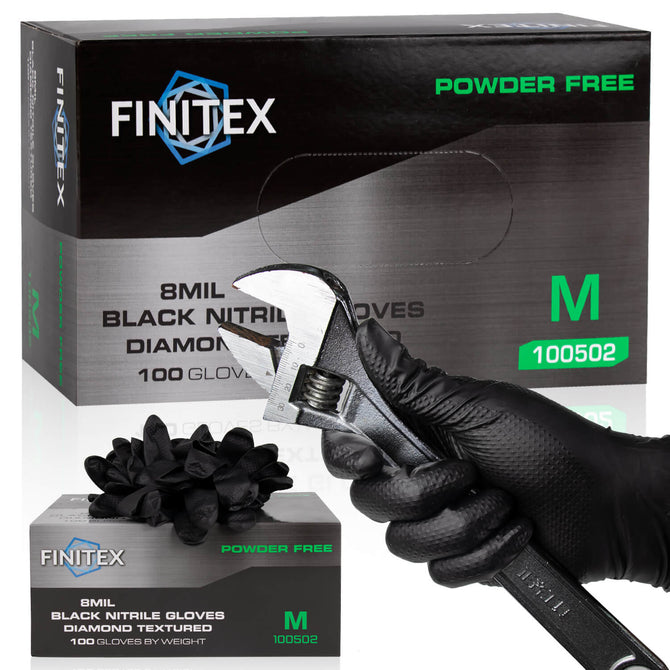
This is where 5 mil, 6 mil, or heavier nitrile gloves can become attractive for demanding applications.
Thicker gloves can offer a better balance of durability and protection, although the correct thickness should always be selected according to the task and required PPE.
Veterinary Clinics Face a Different Kind of Risk
Groomers are not the only professionals dealing with parasite-related exposure.
Veterinary clinics routinely handle animals with unknown medical histories and unexplained symptoms.
A dog may arrive for a tick check.
A cat may come in with severe skin irritation.
Another patient may have diarrhea, an open wound, or a suspected infectious condition.
Until the underlying problem is understood, the safest approach is to treat routine infection-control practices seriously.
The CDC emphasizes that veterinarians play an important role in preventing disease transmission where people, animals, and the environment interact. Its veterinary resources specifically address zoonotic diseases and other risks associated with direct animal contact and clinical settings.
Gloves can therefore play an important role in everyday veterinary PPE.
For example, when examining an animal with suspected infectious skin disease, handling bodily fluids, or removing a tick, disposable nitrile gloves can provide a convenient barrier while allowing the technician to maintain dexterity.
Tick Removal: A Small Task With a Big Reason for PPE
Tick removal may only take a few minutes, but it is exactly the kind of hands-on procedure where disposable gloves make sense.
A veterinary technician may need to:
-
Restrain the animal safely.
-
Locate the attached tick.
-
Remove the tick with the appropriate tool.
-
Inspect the surrounding skin.
-
Dispose of the tick appropriately.
-
Clean the affected area.
-
Disinfect equipment and surfaces.
The concern isn't that simply touching a tick automatically causes disease.
The concern is unnecessary exposure during close contact with an animal, its skin, blood, or potentially contaminated materials.
The CDC notes that ticks can transmit pathogens to humans and that veterinary and animal-care workers can face zoonotic hazards as part of their work.
For routine examinations and animal-care procedures, exam-grade nitrile gloves can provide a convenient disposable barrier when appropriate.
For that reason, gloves should be viewed as part of a broader infection-control routine—not as a substitute for proper hand hygiene, cleaning, disinfection, or other PPE.
Autumn Parasite Treatments: Chemical Protection Matters Too
One of the biggest differences between a typical spring grooming appointment and an autumn parasite-control appointment is the potential for chemical exposure.
A routine grooming session may involve shampoo and conditioner.
A parasite-control appointment may involve a medicated shampoo, flea treatment, tick treatment, disinfectant, or another chemical product.
That changes the PPE conversation.
EPA guidance states that pesticide handlers should have access to the product labeling and understand requirements related to PPE, precautions, and safe handling.
Some pesticide labels specifically require chemical-resistant gloves.
Therefore, don't choose a glove simply because it says "nitrile."
Instead, check:
Chemical → Product label → Required PPE → Glove material → Glove thickness → Contact time
That sequence is much more reliable than assuming a particular glove will resist every chemical.
Why Heavy-Duty Nitrile Makes Sense for Busy Grooming Shops
A high-volume grooming salon can go through hundreds of pairs of disposable gloves during a busy week.
Autumn parasite season can make that demand even more noticeable.
When choosing gloves for professional grooming, consider:
Thickness
For light-duty bathing and general handling, thinner gloves may offer excellent dexterity.
For parasite treatments, equipment cleaning, and tasks involving greater exposure or tear risk, consider a thicker option such as 5–8 mil nitrile, provided it meets the requirements of the specific task and product label.
Texture
A textured nitrile glove can help improve grip when working with:
-
Wet animals
-
Shampoo bottles
-
Grooming tools
-
Tick-removal instruments
-
Cleaning equipment
Better grip can also reduce the chance of dropping tools or losing control during an animal-handling task.
Cuff Length
For tasks involving frequent splashing or wet treatments, 12-inch nitrile gloves can provide additional coverage around the wrist and lower forearm.
This can be useful during bathing, washing contaminated fur, or cleaning wet work areas where water and treatment products may run toward the wrist.
Tear Resistance
Cats, nervous dogs, claws, grooming tools, and repeated hand movements can be hard on disposable gloves.
A glove that tears halfway through a treatment creates unnecessary interruptions and additional exposure.
For demanding work, prioritize a glove with appropriate durability rather than choosing solely on price per box.
Don't Confuse Chemical Resistance With Universal Protection
This is one of the most important points for veterinary clinics and groomers.
Nitrile is not a universal chemical barrier.
Different chemicals can behave very differently when they contact glove materials.
Some chemicals may permeate nitrile quickly, while others may be resisted effectively for a longer period.
That's why chemical resistance should be verified against the specific product, formulation, concentration, and exposure conditions.
EPA guidance makes this distinction clear: acceptable chemical-resistant glove types for pesticide handlers are determined according to the product formulation and solvent category, and the product label should specify the required PPE.
So if a flea dip or pesticide label specifies a particular chemical-resistant glove, follow that requirement rather than automatically substituting a disposable nitrile glove.
Gloves Are Only One Part of Biosecurity
A good glove does not replace a good infection-control program.
Veterinary clinics and grooming businesses should combine glove use with appropriate hygiene and cleaning procedures.
A practical routine includes:
Before the appointment
-
Prepare clean gloves and PPE.
-
Inspect the glove box and ensure the correct glove type is available.
-
Review product labels when chemical treatments are involved.
During treatment
-
Change gloves between appropriate tasks and animals.
-
Avoid touching phones, keyboards, door handles, or personal items with contaminated gloves.
-
Replace gloves immediately if they tear.
-
Use additional PPE when required.
After treatment
-
Remove gloves properly.
-
Dispose of used gloves appropriately.
-
Wash hands thoroughly.
-
Clean and disinfect tools and high-touch surfaces according to facility procedures.
The CDC recommends hand hygiene after handling animals and materials that may have been contaminated, because animals can carry harmful germs even when they appear healthy.
Spring Shedding vs. Autumn Parasite Control
The seasonal priorities are different.
In spring, grooming businesses may focus heavily on:
-
Shedding
-
De-shedding treatments
-
Coat maintenance
-
Mud and outdoor debris
-
Routine skin checks
By late summer and fall, the emphasis can shift toward:
-
Flea and tick control
-
Parasite screening
-
Medicated baths
-
Skin irritation
-
Tick removal
-
Infection-control procedures
-
Cleaning and disinfection
In other words:
Spring is about managing the coat.
Autumn is about managing the exposure.
That distinction is especially important for businesses that provide both grooming and parasite-related services.
Choosing the Right Nitrile Glove for Fall Veterinary & Grooming Work
There isn't one perfect glove for every task.
A useful way to build an autumn glove inventory is to match glove specifications to the work.
| Task | Glove Priority |
|---|---|
| Routine grooming | Dexterity + comfortable fit |
| Bathing | Waterproof barrier + grip |
| Flea/tick inspection | Barrier protection + dexterity |
| Tick removal | Durable nitrile + good grip |
| Medicated shampoo | Chemical compatibility + adequate thickness |
| Pesticide treatment | Follow product label PPE requirements |
| Cleaning equipment | Chemical resistance + durability |
| Handling animal waste | Barrier protection + disposable design |
| Suspected infection | Disposable barrier + appropriate PPE |
For busy veterinary clinics and grooming salons, keeping multiple glove options on hand can be more practical than trying to use one glove for every job.
Build Your Fall Glove Supply Before Parasite Season Gets Busy
The worst time to discover that your clinic is running low on gloves is halfway through a busy treatment day.
As summer transitions into fall, veterinary clinics and grooming businesses should review their PPE inventory alongside their shampoos, disinfectants, parasite-control products, towels, and other consumables.
Consider stocking:
-
Multiple nitrile glove sizes
-
5–8 mil options for heavier-duty work
-
Textured nitrile gloves for wet applications
-
Longer-cuff options when additional wrist coverage is useful
-
Latex-free gloves
-
Gloves specifically approved or required by pesticide product labels when applicable
For businesses with multiple groomers or veterinary technicians, standardizing glove sizes and preferred specifications can also make purchasing easier.
Final Takeaway
Autumn isn't simply another shedding season.
For veterinary clinics and professional groomers, late summer and fall can bring continued exposure to fleas, ticks, mites, contaminated animal materials, medicated shampoos, and parasite-control chemicals.
The right disposable glove can help create a practical barrier between workers and the hazards they encounter throughout the day.
Heavy-duty nitrile gloves are especially useful when durability, grip, dexterity, and disposable protection are all important—but chemical resistance must always be matched to the specific product and its label requirements.
As parasite-control appointments increase, don't wait until the first busy fall week to check your glove supply.
Prepare the right gloves before the parasites arrive.
FAQ: Nitrile Gloves for Veterinary Clinics & Pet Groomers
Are nitrile gloves good for pet grooming?
Yes. Nitrile gloves are commonly used for animal handling, grooming, cleaning, and other tasks where workers want a disposable, latex-free barrier. The appropriate glove should be selected based on the specific task.
What thickness of nitrile gloves is best for pet groomers?
For general grooming, thinner gloves can provide good dexterity. For more demanding work such as parasite treatments, equipment cleaning, or tasks with a higher risk of tearing, thicker gloves such as 5–8 mil may be worth considering.
Can nitrile gloves be used for flea and tick treatments?
It depends on the treatment product. Always read the pesticide or treatment label first. Some products require specific chemical-resistant gloves, and a standard disposable nitrile glove should not automatically be assumed to meet those requirements.
Do veterinarians use nitrile gloves?
Yes. Nitrile gloves are used in veterinary settings for tasks involving animal handling, bodily fluids, examinations, wound care, and other procedures where disposable hand protection is appropriate. CDC guidance also identifies nitrile gloves as one option for certain veterinary exposures.
Can gloves prevent zoonotic diseases?
Gloves can reduce direct skin contact with potentially contaminated animal materials, but they are only one part of infection prevention. Proper hand hygiene, cleaning, disinfection, appropriate PPE, and safe animal-handling procedures are also important.