

August is one of the busiest months of the year for HVAC professionals across the United States. Record-breaking temperatures push cooling systems to their limits, leading to emergency service calls, rooftop repairs, and preventive maintenance before commercial buildings transition into the fall heating season.
For technicians, the workload isn't the only challenge. Working inside hot mechanical rooms, rooftop units, crawl spaces, and tight ductwork exposes hands to sharp sheet metal, compressor oils, cleaning chemicals, refrigerants, and constant abrasion.
Choosing the right disposable gloves isn't simply about keeping hands clean—it's about improving safety, comfort, and productivity throughout long service days.
Why August Is the Peak Season for HVAC Technicians
Throughout August, commercial air conditioning systems often operate continuously to maintain comfortable indoor temperatures. The added stress on compressors, condensers, motors, and electrical components increases the likelihood of equipment failures.
Meanwhile, facility managers begin scheduling seasonal inspections before cooler weather arrives. This combination creates a surge in:
- Emergency HVAC repairs
- Preventive maintenance visits
- Coil cleaning
- Filter replacement
- Refrigerant system inspections
- Commercial building maintenance
Technicians frequently move from one jobsite to another with little downtime, making durable personal protective equipment an essential part of the workday.
Common Hand Hazards During HVAC Maintenance
Many people think HVAC work mainly involves tools and electrical components. In reality, technicians encounter multiple hand hazards during almost every service call.
Sharp Metal Edges
Air handlers, ductwork, evaporator coils, and sheet metal panels often have unfinished edges capable of causing painful cuts. Thin disposable gloves can tear easily when reaching into confined spaces.
A puncture-resistant nitrile glove provides an additional layer of protection without sacrificing finger dexterity.
Compressor Oil and Grease
Compressors, motors, bearings, and moving components are commonly coated with lubricants.
A glove that becomes slippery after contact with oil can reduce grip and increase the risk of dropping tools or components.
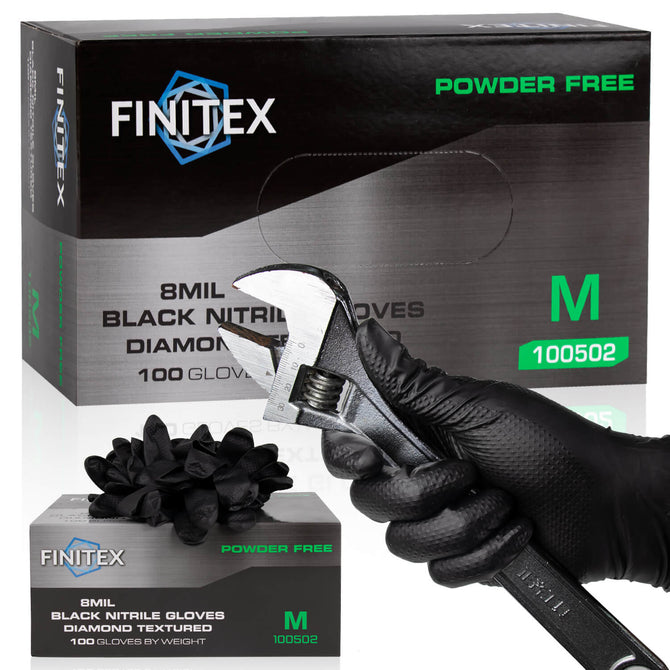
Textured heavy-duty nitrile gloves maintain better grip in oily working conditions.
Refrigerants and Cleaning Chemicals
HVAC technicians routinely use:
- Coil cleaners
- Degreasers
- Condensate cleaners
- Refrigerants
- Solvents
Although disposable nitrile gloves are not designed for prolonged chemical immersion, they generally provide better resistance against many common oils and cleaning chemicals than latex or vinyl gloves during routine maintenance tasks.
Always replace gloves immediately if damaged or heavily contaminated.
High Temperatures
Mechanical rooms and rooftops can become extremely hot during summer afternoons.
Gloves that trap excessive heat quickly become uncomfortable, leading technicians to remove them—exactly when hand protection is needed most.
A well-designed nitrile glove balances durability with flexibility to remain wearable throughout long shifts.
Why Thin Disposable Gloves Often Fail HVAC Professionals
Many disposable gloves are designed for light-duty tasks such as food handling or basic cleaning.
HVAC maintenance places far greater demands on gloves.
Common problems include:
- Fingertip punctures
- Palm tears
- Split cuffs
- Poor grip with oily hands
- Frequent glove changes
Replacing torn gloves several times a day interrupts workflow and increases supply costs.
For commercial maintenance crews, choosing stronger gloves often proves more cost-effective over time.
Why 6 Mil+ Nitrile Gloves Are a Better Choice
When technicians regularly work around metal components, mechanical equipment, and industrial chemicals, thicker disposable nitrile gloves provide meaningful advantages.
Improved Puncture Resistance
Additional thickness helps reduce punctures caused by sharp brackets, screws, coil fins, and metal edges commonly found inside HVAC equipment.
Better Oil Resistance
Unlike latex gloves, nitrile maintains excellent resistance to petroleum-based oils and lubricants commonly encountered during equipment servicing.
Enhanced Grip
Textured fingertips improve control when handling:
- Wrenches
- Screwdrivers
- Refrigerant gauges
- Copper tubing
- Electrical connectors
Even when surfaces become greasy, technicians maintain greater confidence handling tools.
Longer Wear Time
Higher-quality heavy-duty gloves are less likely to tear during demanding work, reducing interruptions caused by constant glove replacement.
Why Black Nitrile Gloves Are Popular Among HVAC Technicians
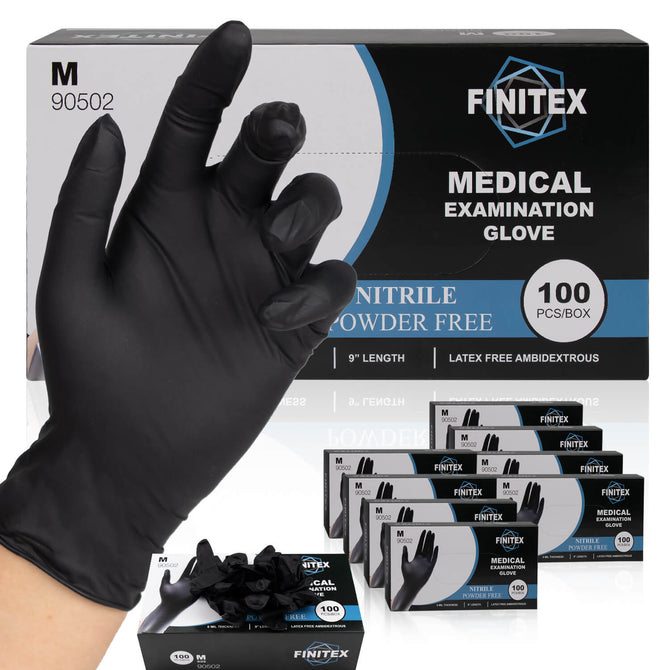
Black disposable nitrile gloves have become increasingly common across industrial maintenance trades for practical reasons—not simply appearance.
They help:
- Hide grease and oil stains during long service calls
- Maintain a more professional appearance when meeting commercial clients
- Make dirt and contamination less visually distracting
- Complement industrial uniforms
For technicians working multiple service calls every day, black gloves stay looking cleaner while delivering reliable protection.
What to Look for When Buying HVAC Maintenance Gloves
Not every nitrile glove is suitable for mechanical work.
Before purchasing, consider the following features:
| Feature | Why It Matters |
|---|---|
| 6 mil or thicker | Better puncture and abrasion resistance |
| Textured fingertips | Improved grip on oily tools |
| Oil resistance | Better performance around lubricants |
| Comfortable fit | Reduces hand fatigue |
| Powder-free | Keeps equipment clean |
| Durable cuff | Helps prevent tearing while putting gloves on |
These features make daily maintenance safer and more efficient without sacrificing dexterity.
Ideal Applications
Heavy-duty disposable nitrile gloves are well suited for professionals working in:
- Commercial HVAC service
- Facility maintenance
- Building engineering
- Property management
- Mechanical contracting
- Industrial equipment maintenance
- Refrigeration service
- Commercial construction
Protect Your Hands During the Busiest Season
When temperatures climb and service calls increase, HVAC technicians need protective equipment they can rely on.
Heavy-duty nitrile gloves help reduce punctures, improve grip on oily equipment, and provide dependable protection while working in demanding environments. Investing in stronger disposable gloves can minimize interruptions, improve comfort, and help crews stay productive throughout the peak cooling season.
Whether you're servicing rooftop units, replacing compressors, or preparing commercial buildings for the fall transition, choosing the right glove is one small decision that can make every job safer and more efficient.
Frequently Asked Questions
Are nitrile gloves suitable for HVAC technicians?
Yes. Heavy-duty nitrile gloves are widely used by HVAC technicians because they offer good resistance to oils, punctures, and many commonly used maintenance chemicals while maintaining excellent dexterity.
What glove thickness is recommended for HVAC maintenance?
For most commercial HVAC work, disposable nitrile gloves with a thickness of 6 mil or greater provide a better balance of durability, grip, and flexibility than thinner gloves.
Why do many HVAC professionals prefer black nitrile gloves?
Black gloves help conceal grease and oil stains, maintain a professional appearance, and are commonly available in thicker industrial-grade options.
Can nitrile gloves protect against refrigerants?
Disposable nitrile gloves can provide protection during routine handling and incidental contact, but they are not designed for prolonged exposure or immersion in refrigerants or aggressive chemicals. Always follow the chemical manufacturer's PPE recommendations.
Are thicker nitrile gloves less comfortable?
Not necessarily. Modern heavy-duty nitrile gloves are engineered to combine durability with flexibility, allowing technicians to handle tools and perform detailed tasks while reducing the likelihood of tearing.