

Summer in the United States brings a unique kind of operational challenge for medical and emergency response teams. From packed summer camps in rural areas to large outdoor music festivals and rapidly deployed mobile clinics, care is often delivered far away from traditional clinical environments. Heat, dust, humidity, and constant movement all create conditions where even small supply issues—like glove failure—can slow down response time and increase risk.
For teams working in mobile medical clinic supplies, choosing the right disposable gloves isn’t just a procurement decision. It’s part of field readiness.
The Reality of Summer Field Conditions
Anyone who has worked a summer camp first aid station or a mobile medical unit knows that conditions are rarely ideal. Gloves are often worn outdoors, sometimes repeatedly in a short period, and frequently under stress.
Common issues include:
- High temperatures causing hand perspiration inside gloves
- Dust and sand reducing grip reliability
- Constant glove changes during back-to-back patient interactions
- Unexpected tearing during stretching or fast movements
- Storage exposure in non-climate-controlled vehicles or tents
In these environments, a glove that performs well in a hospital may not necessarily perform well in the field.
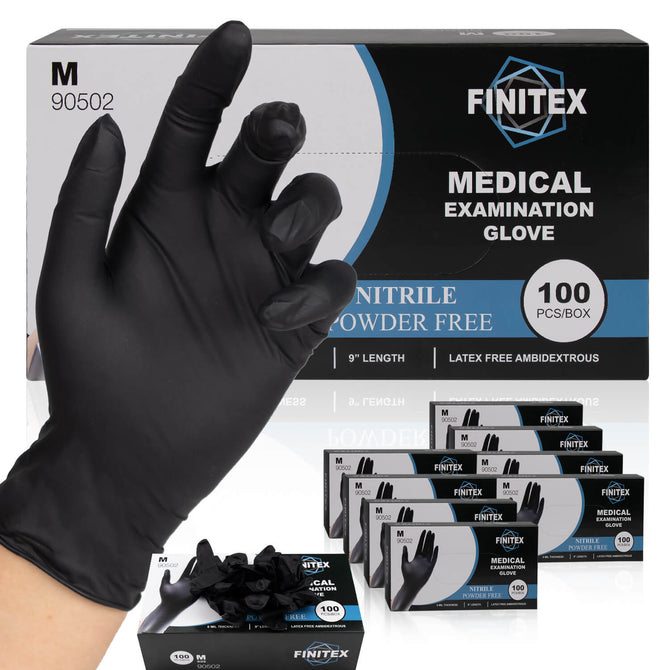
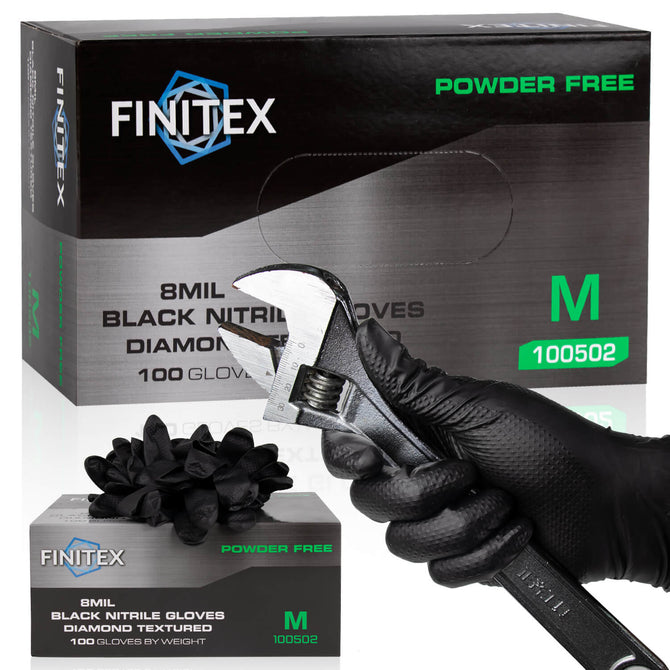
That’s why more organizations are shifting toward medical grade nitrile gloves designed specifically for durability, elasticity, and puncture resistance under real-world conditions.
Why Nitrile Matters in Mobile and Outdoor Care
Nitrile gloves have become the standard for emergency and mobile healthcare for a reason. Compared to latex or vinyl, nitrile offers:
- Stronger resistance to punctures and tears
- Better chemical protection for field sanitizers and disinfectants
- Latex-free material for allergy safety
- Improved flexibility under repeated use
But not all nitrile gloves are equal. In mobile environments—especially during summer deployments—the thickness, elasticity, and surface texture matter more than ever.
For mobile medical clinic supplies, the goal is simple: gloves must stay intact, maintain tactile sensitivity, and allow fast, confident movement even under heat stress.
The Challenge: Strength vs. Comfort in Hot Weather
One of the biggest trade-offs in disposable glove design is thickness versus comfort.
Thicker gloves tend to offer better protection but can feel restrictive in hot weather. Thinner gloves improve dexterity but may fail under tension—especially when hands are damp from sweat or when assisting in physically demanding first aid scenarios.
This is where modern engineering in nitrile formulation becomes important. High-quality medical grade nitrile gloves are designed to maintain tensile strength even at lower thickness levels, allowing users to stay protected without sacrificing mobility.
FINITEX 3.2 mil Ice Blue Nitrile Gloves: Built for Field Conditions
For teams operating in summer camps, mobile clinics, and outdoor response environments, FINITEX 3.2 mil ice blue nitrile gloves are designed to balance durability with comfort.
At 3.2 mil thickness, these gloves sit in a practical range for field healthcare use—thin enough for dexterity, yet reinforced enough to handle repetitive tasks and extended wear.
Key performance advantages include:
1. High Stretch Resistance
The glove material is engineered to resist tearing during rapid hand movements, which is common in emergency response scenarios.
2. Improved Grip in Humid Conditions
The textured surface helps maintain grip even when hands are sweaty or when handling medical instruments outdoors.
3. Ice Blue Color for Visibility and Compliance
The distinct ice blue color improves visual detection of contamination and glove breaches—especially useful in low-control environments like tents or outdoor triage stations.
4. Comfortable Fit for Extended Wear
Mobile medical staff often wear gloves for longer continuous periods than hospital staff. Comfort and breathability help reduce fatigue during long shifts.
For organizations standardizing their medical grade nitrile gloves across multiple mobile units, consistency in performance is just as important as cost efficiency.
Summer Camps: Where Preparedness Meets Volume
Every summer, thousands of summer camp first aid stations operate across the country. These environments may not involve high-acuity trauma care, but they do involve high-frequency, low-to-medium complexity medical interactions:
- Cuts and scrapes from outdoor activities
- Insect bites and allergic reactions
- Minor burns from campfires
- Food handling and sanitation support
- Heat exhaustion monitoring and care
In these settings, glove consumption can be surprisingly high due to frequent handwashing cycles, activity switching, and cross-contamination prevention protocols.
Bulk, reliable glove supply is essential. Camps often underestimate usage until mid-season shortages occur. Choosing durable nitrile gloves reduces waste caused by tearing and double-gloving.
Mobile Clinics: Efficiency in Motion
Mobile healthcare units face a different set of constraints. Whether deployed in underserved urban areas or rural outreach programs, they operate under tight schedules and limited storage.
Key priorities include:
- Fast glove changes between patients
- Compact storage in mobile kits
- Reliable performance across temperature fluctuations
- Compliance with healthcare safety standards
In these environments, glove failure is more than an inconvenience—it can disrupt patient flow and reduce trust in the service.
That’s why many operators prefer medical grade nitrile gloves with proven tensile strength and consistent batch quality.
Choosing the Right Glove for Field Operations
When selecting gloves for mobile or outdoor medical use, consider the following:
- Thickness (mil rating): 3.0–4.0 mil is often ideal for balance
- Tensile strength: Critical for stretching and fast donning
- Grip texture: Important for handling wet or dusty surfaces
- Storage stability: Must tolerate heat exposure in transport vehicles
- Color coding: Helps identify contamination and role separation
For summer-focused operations, overheating and sweat management are often overlooked factors that directly impact glove performance.
Final Thoughts
In mobile healthcare, preparedness isn’t just about medical knowledge—it’s about the reliability of every tool in the field kit. Gloves may seem like a small detail, but in environments like summer camps, outdoor festivals, and mobile clinics, they are used constantly and under pressure.
Choosing the right medical grade nitrile gloves can reduce interruptions, improve safety compliance, and help medical teams stay focused on patient care instead of equipment failure.
For organizations scaling their mobile medical clinic supplies, products like FINITEX 3.2 mil ice blue nitrile gloves offer a practical balance of strength, comfort, and field reliability—especially when conditions are far from controlled.