

Summer is officially here. As we move into the last week of May, the entire United States is feeling the heat. With high temperatures sweeping across states from Texas to Maine, something else is exploding in numbers: mosquitoes, ticks (Ixodes scapularis), and fleas.
For homeowners, landlords, and professional pest control operators, this is the busiest—and most dangerous—time of the year.
We are all spraying: insecticides, acaricides (to kill ticks), herbicides, and fungicides. Whether you are fogging the backyard for a BBQ or running a commercial pest control route, you are handling harsh chemicals every single day.
But there is a hidden risk most people ignore: chemical permeation through cheap gloves.
The Problem: Your Skin Absorbs More Than You Think
Most people reach for standard latex or vinyl gloves when mixing pesticides or pulling weeds. This is a critical mistake.
1. The Pesticide & Herbicide Threat
Modern pesticides are designed to be lipophilic (oil-soluble). This allows them to penetrate insect exoskeletons. Unfortunately, latex is porous to these same oils.
When you spray a concentrated insecticide like bifenthrin or a weed killer like glyphosate, the liquid doesn't just sit on top of latex. It permeates through the molecular structure of the glove within minutes. By the time you finish spraying one yard, those chemicals are already touching your skin.
The EPA warns that chronic dermal exposure to pesticides can lead to nerve damage, endocrine disruption, and skin disorders.
2. The "Tick & Thorn" Double Threat
Summer pest control isn't just about spraying. You are also:
-
Trimming overgrown bushes where ticks hide.
-
Pulling poison ivy and thorny brambles.
-
Laying granular bait in flower beds.
Latex tears instantly on a single thorn. When that happens, not only are you exposed to a cut, but you now have an open wound directly exposed to the concentrated chemicals you just mixed.
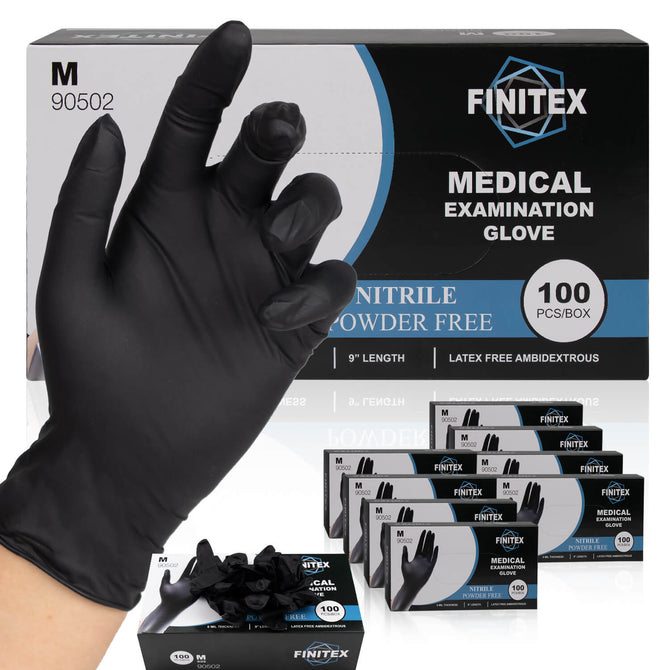
Why FINITEX Heavy-Duty Nitrile Gloves Are the Answer
If you are serious about summer safety, you need to upgrade your hand protection. You need Nitrile.
Here is why FINITEX Heavy-Duty Series outperforms every latex glove on the market:
A. Superior Chemical Resistance
Nitrile rubber is inherently resistant to petroleum-based solvents and pesticides. Unlike latex, which swells and degrades, FINITEX nitrile gloves provide a reliable barrier against:
-
Organophosphates (common insecticides)
-
Pyrethroids
-
Herbicides (2,4-D, Roundup)
-
Fungicides
When you wear FINITEX Heavy-Duty, the chemicals stay on the outside.
B. Puncture & Abrasion Resistance
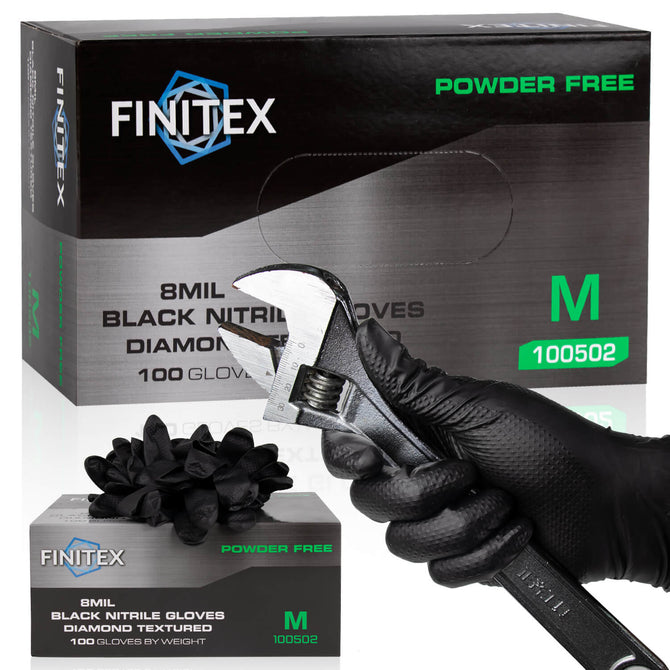
Our Heavy-Duty series is engineered for the backyard battlefield. The thick, textured nitrile compound resists punctures from rose thorns, raspberry canes, and sharp juniper branches. You can clear thick brush without worrying about a tear exposing your skin to tick bites or poison ivy sap.
C. Ergonomic Fit for Dexterity
Pest control requires fine motor skills: adjusting spray nozzles, handling small seedlings, or picking up a tick-infested rodent trap. FINITEX gloves offer a snug, ergonomic fit with textured fingertips, giving you the grip you need on wet spray wands and weed pullers.
How to Layer Your Summer Protection
For maximum safety against both bugs and chemicals, follow this protocol:
-
Wear FINITEX Heavy-Duty Nitrile Gloves (5-8 mil minimum for mixing concentrates).
-
Wear long sleeves tucked into the gloves (to prevent drips from running down your arm).
-
Do not touch your face while spraying. The glove protects your hand, but you don't want chemical residue near your mouth or eyes.
-
Dispose properly – Wash gloves with soap and water before removing them, or dispose of single-use pairs after heavy contact with concentrates.
Don't Wait Until a Reaction Happens
This summer, the bugs are bad. The ticks are everywhere. And the chemicals we use to fight them are aggressive.
Don't trust your skin to a flimsy latex glove that degrades in 10 minutes. Choose the proven protection of FINITEX Heavy-Duty Nitrile Gloves.
Get your box today and keep your hands safe through mosquito season and beyond.
Shop FINITEX Heavy-Duty Series Now>>
FAQ – Summer Pest Control Gloves
Q: Can I use the same gloves for tick removal and spraying chemicals?
A: Yes, but wash the exterior with soap and water between tasks. FINITEX nitrile gloves resist both biological hazards (ticks/mites) and chemical hazards.
Q: How often should I change my nitrile gloves during yard work?
A: If you are just applying ready-to-use spray, one pair per session is fine. If you are mixing concentrated chemicals, change gloves every 30 minutes or immediately if the glove surface looks swollen.
Q: Are FINITEX gloves reusable?
A: Our Heavy-Duty series is thick enough for limited reuse (washing and air drying). However, if you handle high-concentration pesticides, dispose of the pair after that single use for zero risk.