

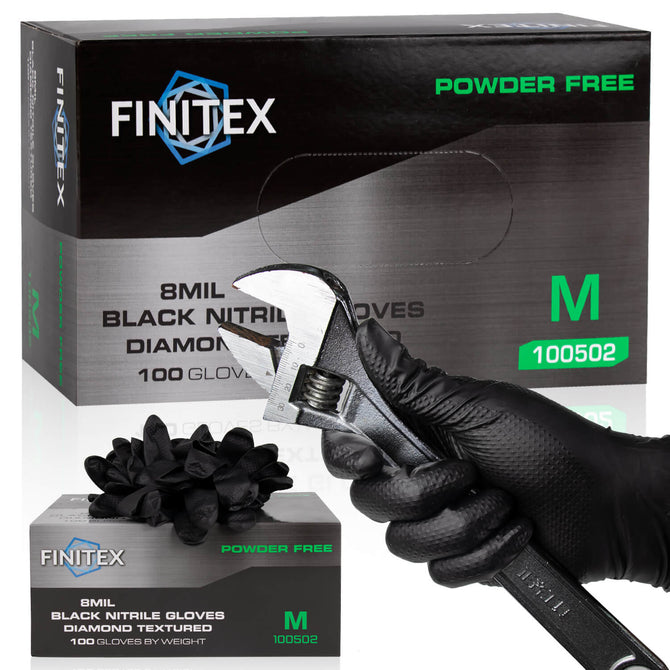

Cooking is about more than following a recipe. Whether you're preparing meals at home, running a restaurant kitchen, catering an event, or working in food service, keeping your hands and food clean is an important part of the job.
That's where disposable gloves can help.
The right disposable gloves for cooking can make food preparation cleaner and more convenient, especially when you're handling raw meat, poultry, seafood, sauces, marinades, or ready-to-eat foods. They can also make cleanup easier and provide a simple barrier between your hands and the food you're preparing.
But not every disposable glove is the same. Latex, nitrile, and vinyl gloves have different strengths, and factors such as fit, durability, texture, and intended use all matter when choosing food prep gloves.
In this guide, we'll look at the most common types of disposable gloves for cooking, how to choose the right size and material, when to change gloves, and what to consider when buying gloves for food handling.
Key Takeaways
-
Nitrile, latex, and vinyl are common materials for disposable cooking gloves.
-
Nitrile gloves are a popular choice because they are latex-free and offer good puncture and tear resistance.
-
Proper sizing helps maintain both comfort and dexterity during food preparation.
-
Gloves should be changed when they become torn, contaminated, or when switching between tasks that could cause cross-contamination.
-
Disposable gloves are particularly useful when handling raw meat, poultry, seafood, and other messy ingredients.
-
Always check the glove manufacturer's labeling and intended-use information when choosing gloves for food handling.
-
Buying in bulk can be practical for restaurants, catering businesses, and other high-volume food service operations.
Types of Disposable Gloves for Cooking
There are several types of disposable gloves available for food preparation. The three most common materials are latex, nitrile, and vinyl.
Latex Gloves
Latex gloves are known for their elasticity and close fit. They can provide good dexterity, making them comfortable for tasks that require precise hand movements.
However, latex proteins can cause allergic reactions in some people. For kitchens, restaurants, and food service environments where different employees may use the same type of gloves, latex-free alternatives can be a practical choice.
Nitrile Gloves
Nitrile gloves for cooking are widely used in food preparation and food service because they offer a combination of flexibility, durability, and puncture resistance.
Nitrile is also latex-free, making it a popular alternative for workplaces where latex sensitivity is a concern.
For tasks such as handling raw meat, preparing ingredients, cleaning food-preparation surfaces, or working with oily or greasy foods, nitrile gloves can provide a useful balance of protection and dexterity.
If you're looking specifically for disposable nitrile gloves for food handling, choose a product whose labeling and manufacturer documentation indicate that it is suitable for the intended food-contact application.
Vinyl Gloves
Vinyl gloves are generally an economical option for light-duty food preparation. They are easy to put on and can work well for short, low-risk tasks.
However, vinyl gloves typically provide less stretch and puncture resistance than nitrile gloves. For jobs involving sharp bones, heavy handling, or demanding kitchen work, nitrile may be a better fit.
How to Choose the Right Glove Size
A glove that fits properly is easier to work in and less likely to interfere with normal hand movement.
Disposable gloves commonly come in sizes ranging from XS to XL, although sizing varies by manufacturer.
Avoid Gloves That Are Too Tight
Gloves that are too tight can restrict movement and become uncomfortable during long food-preparation sessions. Excessive stretching can also place additional stress on the material.
Avoid Gloves That Are Too Loose
Loose gloves can make it harder to grip knives, utensils, containers, and ingredients. They may also interfere with tasks that require precision.
The best approach is to check the manufacturer's size guide and choose the size that provides a snug but comfortable fit.
For example, if you're purchasing gloves for a restaurant or catering team, consider keeping several sizes available rather than assuming every employee needs the same size.
Why Use Disposable Gloves for Cooking?
Disposable gloves aren't a substitute for proper handwashing or food safety practices. Instead, they are an additional tool that can help make certain food-preparation tasks cleaner and easier to manage.
Reduce Direct Hand Contact With Food
Gloves create a barrier between your hands and the food you're handling. This can be especially useful when preparing ready-to-eat foods or working with ingredients that are difficult to clean from your hands.
However, gloves can still become contaminated, so they should be changed appropriately.
Help Reduce Cross-Contamination
Cross-contamination is a major concern when preparing food.
For example, you might handle raw chicken before preparing vegetables or ready-to-eat ingredients. Wearing the same pair of gloves throughout those tasks can transfer contaminants from one food or surface to another.
Changing gloves between different tasks, combined with proper handwashing and surface cleaning, can help reduce this risk.
Make Messy Tasks Easier
Some kitchen ingredients are simply messy.
Ground beef, raw poultry, marinades, spices, sauces, and greasy foods can leave residue on your hands. Disposable gloves can make these tasks easier to manage and reduce the amount of cleanup afterward.
Best Practices for Using Disposable Gloves in the Kitchen
Simply putting on a pair of gloves doesn't automatically make food preparation safer. How you use the gloves matters just as much.
Wash Your Hands Before Putting on Gloves
Always start with clean hands.
Wash and dry your hands before putting on disposable gloves. Gloves should not be treated as a replacement for proper hand hygiene.
Change Gloves When They Are Torn or Contaminated
A disposable glove should be replaced if it becomes:
- Torn or punctured
- Heavily soiled
- Contaminated
- Removed during a task
- No longer suitable for the task
You should also change gloves when switching between tasks where cross-contamination could occur.
Change Gloves Between Raw and Ready-to-Eat Foods
One common example is preparing raw chicken and then assembling a salad.
Don't continue using the same gloves simply because they still look clean. Remove the gloves, wash your hands, and put on a fresh pair before moving to the next task.
Avoid Touching Unnecessary Surfaces
Once you've put on gloves for food preparation, try not to touch phones, door handles, trash cans, keyboards, or other potentially contaminated surfaces.
If you do, change your gloves before returning to food preparation.
Disposable Gloves for Handling Raw Meat
Raw meat and poultry require extra attention during food preparation because bacteria can be transferred from raw ingredients to hands, utensils, countertops, and other foods.
Disposable gloves for food handling can be useful when handling:
- Raw beef
- Raw chicken
- Pork
- Seafood
- Ground meat
- Marinated meat
- Other raw ingredients
For these applications, durability matters. A glove that tears easily can become a problem in the middle of food preparation.
This is one reason many food-service workers prefer nitrile gloves when they need a combination of flexibility and resistance to punctures and tears.
Nitrile Gloves for Food Preparation
If you regularly prepare food, nitrile gloves can be a practical option for many kitchen tasks.
For example, FINITEX Blue 3.2 Mil Exam-Grade Nitrile Gloves are a lightweight option to consider for food-preparation tasks when the product's food-contact suitability matches your intended application.
When comparing nitrile gloves for cooking, look beyond the material name itself. Consider thickness, texture, fit, dexterity, and the manufacturer's intended-use information.
Thickness
Thinner gloves can provide better tactile sensitivity and dexterity for detailed tasks.
Thicker nitrile gloves may provide greater durability for heavier handling.
The right thickness depends on the job rather than simply choosing the thickest glove available.
Texture and Grip
A textured surface can help improve grip when your hands or the outside of the gloves are wet or greasy.
For heavier-duty applications outside direct food contact, FINITEX 6.3 Mil Orange Diamond Textured Industrial Nitrile Gloves feature a diamond-textured surface designed for demanding work environments.
Always verify that a specific glove is intended for the task you're performing before using it in a food-contact application.
Fit and Dexterity
A glove should fit securely without restricting movement.
For food preparation, good dexterity is important when you're cutting, mixing, portioning, seasoning, or assembling food.
Food-Contact Suitability
Not every nitrile glove is automatically suitable for every food-contact application.
Before purchasing, check the product packaging, manufacturer's specifications, and applicable food-contact information to make sure the glove is appropriate for the intended use.
You can also browse our food prep and service nitrile gloves to compare available options.
Disposable vs. Reusable Gloves
Both disposable and reusable gloves have their place in food-related work.
Disposable Gloves
Disposable gloves are convenient for tasks where gloves need to be changed frequently.
Advantages include:
- Convenient for short-term tasks
- Easy to replace after contamination
- Useful for switching between different food-preparation tasks
- Available in multiple materials and sizes
If you're comparing different disposable options, FINITEX nitrile gloves are available in different thicknesses and styles for different work environments.
The downside is that frequent replacement creates more waste and can increase operating costs over time.
Reusable Gloves
Reusable gloves can make sense for certain cleaning and non-food-contact applications where durability and repeated use are more important.
However, they require proper cleaning and sanitation between uses.
For tasks involving frequent changes between ingredients or contamination-sensitive food preparation, disposable gloves can be more convenient.
How to Choose the Best Disposable Gloves for Cooking
When comparing different options, don't choose based solely on price.
Instead, consider the following factors.
1. Material
Nitrile is a strong all-around option for many food-preparation tasks, while vinyl can be suitable for lighter-duty work. Latex provides excellent elasticity but may not suit every workplace because of latex allergy concerns.
2. Thickness
Match glove thickness to the task.
Light-duty food preparation may benefit from thinner gloves with greater dexterity, while heavier handling may call for a more durable option.
3. Size
The correct size should fit comfortably without excessive looseness or stretching.
4. Texture
If you frequently handle wet or greasy ingredients, textured gloves may provide a more secure grip.
5. Food-Contact Information
Always verify that the specific glove is labeled or documented as appropriate for your intended food-handling application.
You can browse our food prep and service nitrile gloves to compare available options based on your needs.
6. Quantity and Cost
If you operate a restaurant, catering business, food truck, school cafeteria, or other high-volume kitchen, buying gloves in larger quantities may help simplify inventory management and reduce the cost per glove.
A slightly cheaper glove isn't necessarily the better value if it tears frequently and needs to be replaced during routine work.
Where to Buy Disposable Gloves for Cooking
Disposable food-preparation gloves are available from a variety of sources.
You can find them through:
- Restaurant supply stores
- Food-service suppliers
- Medical and safety supply companies
- Online retailers
- Specialty glove manufacturers
- E-commerce marketplaces
For businesses, it's worth comparing not only the unit price but also case quantities, shipping costs, available sizes, and product specifications.
Frequently Asked Questions
Are disposable gloves necessary for cooking?
Disposable gloves are not required for every cooking task, and wearing gloves does not replace proper handwashing. However, they can be useful for certain food-preparation tasks, particularly when handling raw ingredients or ready-to-eat foods.
What are the best disposable gloves for cooking?
The best glove depends on the task. Nitrile gloves are a popular choice for many food-preparation applications because they are latex-free and offer a good balance of flexibility and durability. Vinyl can be suitable for lighter-duty tasks.
Always check the specific product's labeling and food-contact information before use.
Are nitrile gloves good for handling raw meat?
Nitrile gloves can be suitable for handling raw meat when the specific glove is intended for the application. Their puncture and tear resistance can be useful when handling meat and poultry.
Gloves should still be changed between raw-food and ready-to-eat-food tasks, and proper hand hygiene remains important.
How often should I change disposable gloves while cooking?
Change gloves whenever they become torn, soiled, contaminated, or after completing a task where cross-contamination could occur.
For example, change gloves after handling raw chicken before preparing ready-to-eat food.
Are nitrile gloves better than vinyl gloves for cooking?
It depends on the task.
Nitrile generally offers greater stretch, puncture resistance, and durability than vinyl, making it a popular choice for more demanding food-preparation tasks. Vinyl may be appropriate when cost is a priority and the task is relatively light-duty.
Can I reuse disposable cooking gloves?
Disposable gloves are designed for single use. Reusing them can increase the risk of contamination and is generally not recommended.
What size disposable gloves should I buy?
Choose a size based on the manufacturer's sizing chart. Gloves should fit snugly without being excessively tight or loose.
If you're purchasing gloves for a food-service team, consider ordering multiple sizes to accommodate different users.
Final Thoughts
The right disposable gloves can make food preparation cleaner, more convenient, and easier to manage.
For many kitchens and food-service operations, nitrile gloves offer a useful combination of durability, flexibility, and latex-free construction. Vinyl gloves can be a practical choice for lighter tasks, while latex gloves offer excellent elasticity but may not suit every workplace.
Whatever material you choose, remember that gloves are only one part of good food-handling practices. Wash your hands before putting gloves on, change gloves when they become contaminated or damaged, and always use fresh gloves when moving between tasks where cross-contamination could occur.
If you're looking for disposable nitrile gloves for cooking and food preparation, explore the FINITEX selection to find options available in different thicknesses, sizes, and colors for a variety of applications.