


As October brings cooler temperatures across the United States, poultry and livestock farms begin preparing for the colder months ahead. Harvest work is winding down, barns need winterizing, and many farms are reviewing their vaccination schedules, cleaning routines, and disease-prevention procedures.
These seasonal tasks involve more than keeping animals warm. Workers may handle livestock, administer veterinary medications, clean animal housing, and apply disinfectants to equipment and high-contact surfaces. Each activity presents different risks, from cross-contamination to skin exposure to cleaning chemicals.
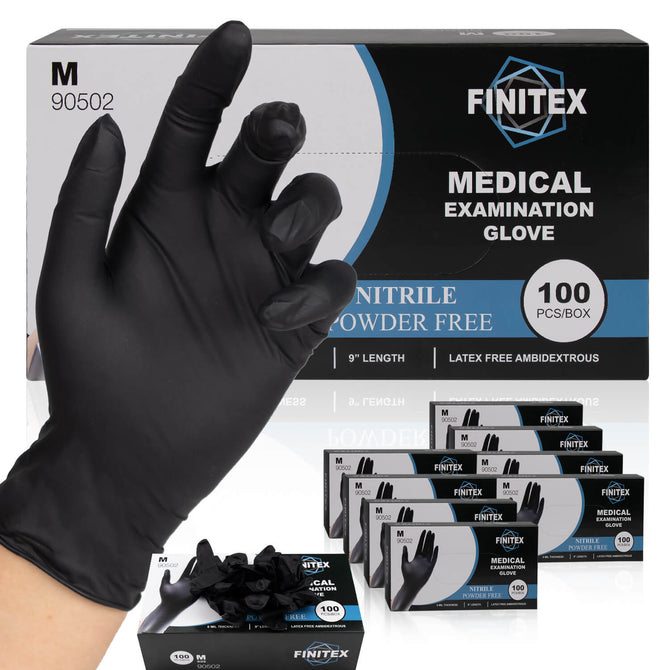
Having the right livestock farm safety gear is an important part of a practical farm biosecurity plan. Disposable nitrile gloves can help protect workers' hands during appropriate handling tasks, while supporting cleaner work routines around animals, equipment, and barn facilities.
Here is how farms can prepare for fall livestock care and winter barn maintenance while keeping infection control in focus.
1. Why Fall Is an Important Time for Livestock Biosecurity
As temperatures drop, farm routines often change. Animals may spend more time indoors, ventilation settings may be adjusted, and workers may handle larger groups of animals in enclosed spaces.
These changes make it especially important to review how people, equipment, and supplies move between animal areas.
For poultry and livestock operations, seasonal biosecurity measures may include:
-
Reviewing vaccination and veterinary care schedules.
-
Cleaning and disinfecting feeders, waterers, gates, and handling equipment.
-
Checking ventilation systems before cold weather arrives.
-
Inspecting doors, windows, and building gaps that allow pests or wildlife to enter.
-
Separating equipment used in different animal areas.
-
Keeping clean protective clothing and disposable gloves available at workstations.
Biosecurity is not a single product or procedure. It is a combination of consistent practices designed to reduce the introduction and spread of infectious agents.
For workers who move between animal pens, poultry houses, treatment areas, and cleaning stations, changing gloves and following hand-hygiene procedures at the appropriate times can help reduce cross-contamination.
2. Veterinary Handling: Choosing the Right Biosecurity Gloves
Fall is a useful time to coordinate with a veterinarian and review upcoming animal health needs. Depending on the species, farm, and local disease risks, these activities may include routine vaccinations, examinations, wound care, and other veterinary treatments.
During these tasks, workers may come into contact with animal secretions, contaminated surfaces, medications, or biological material.
Veterinary biosecurity gloves can provide a disposable barrier between the hands and potential contaminants when the gloves are appropriate for the task.
Why consider nitrile gloves?
Nitrile gloves are made from synthetic rubber and are commonly used in veterinary, agricultural, cleaning, and maintenance settings.
Their practical advantages include:
-
Latex-free construction: Useful for workplaces seeking to reduce exposure to natural rubber latex proteins.
-
A close fit: Properly fitted gloves support grip and finger control during routine handling tasks.
-
Resistance to many oils and chemicals: Nitrile may be suitable for contact with certain substances, depending on the glove's formulation, thickness, and compatibility data.
-
Disposable convenience: Single-use gloves can be discarded after designated tasks rather than carried between animal areas.
The right glove depends on the work being performed. A thin disposable glove may suit a routine examination, while more demanding maintenance or chemical-handling work may require a different glove specification.
For procedures involving needles, sharp instruments, or hazardous veterinary medications, follow the veterinarian's safety protocols and the applicable product instructions. Disposable nitrile gloves do not eliminate the risk of needlestick injuries or provide universal chemical protection.
For farms looking for everyday hand protection across a range of suitable tasks, explore our disposable nitrile gloves to compare available options for fit, thickness, and intended use.
Preventing cross-contamination during animal handling
Even a suitable glove cannot compensate for poor work practices. A contaminated glove can transfer material from one animal, pen, or surface to another.
Farm teams should establish clear procedures for:
-
Putting on clean gloves immediately before the designated task.
-
Avoiding contact between contaminated gloves and clean equipment, feed, or personal items.
-
Changing gloves between animals or work areas when required by the biosecurity protocol.
-
Removing gloves without touching contaminated outer surfaces with bare hands.
-
Washing hands after glove removal.
For poultry operations, cattle barns, and mixed livestock facilities, these simple habits can make disposable gloves a more effective part of a broader infection-control program.
3. Barn Cleaning and Disinfection Before Winter
Before animals spend more time indoors, farms often carry out a thorough cleaning of housing areas, walkways, equipment, and storage spaces.
Typical jobs include removing accumulated manure and bedding, washing feeding equipment, cleaning floors, and applying approved disinfectants according to their label directions.
These activities can expose workers to moisture, detergents, disinfectants, and organic material.
Match glove protection to the cleaning chemical
Nitrile gloves are often considered for cleaning work because nitrile resists many substances better than some other disposable glove materials. However, not every nitrile glove is suitable for every disinfectant or agricultural chemical.
Protection depends on several factors:
-
The active ingredients and concentration of the chemical.
-
The glove material and thickness.
-
The duration and frequency of contact.
-
The manufacturer's chemical compatibility information.
-
Whether the work involves splashing, immersion, or prolonged exposure.
Before selecting gloves, read the disinfectant label and consult the glove manufacturer's compatibility guidance. If the task requires extended chemical contact or involves a concentrated corrosive product, a thicker chemical-resistant glove may be necessary.
Workers should also use the required eye protection, protective clothing, and ventilation measures. Never mix cleaning chemicals unless the product instructions explicitly permit it.
For other cleaning applications around the farm, our guide to nitrile gloves for cleaning and disinfecting explains why glove selection should match the task and the substances being handled.
A practical cleaning routine
A consistent barn-cleaning process can help improve both hygiene and efficiency.
-
Remove manure, bedding, and other visible organic material first.
-
Clean surfaces with the appropriate detergent and method.
-
Apply the approved disinfectant at the specified concentration.
-
Observe the required contact time before rinsing or allowing the area to dry.
-
Clean and store reusable equipment according to its instructions.
-
Replace disposable gloves between tasks whenever contamination or the work procedure requires it.
Cleaning and disinfection are related but different steps. Removing organic material first can improve the effectiveness of many disinfectants.
4. Barn Winterization Supplies: Don't Overlook Worker Protection
Winterizing a barn involves more than repairing drafts and preparing heating or ventilation equipment. It also provides an opportunity to organize protective supplies so workers can complete seasonal jobs safely.
Common barn winterization supplies include weatherstripping, insulation materials, water-line protection, ventilation maintenance supplies, cleaning equipment, and appropriate personal protective equipment.
Depending on the farm, autumn maintenance may involve:
-
Sealing unwanted gaps while maintaining adequate ventilation.
-
Inspecting water lines and preventing freezing.
-
Repairing damaged doors, gates, and wall panels.
-
Cleaning fans and checking ventilation equipment.
-
Removing debris around feed storage and animal housing.
-
Organizing separate supplies for cleaning, animal care, and maintenance.
These jobs can involve sealants, lubricants, oils, detergents, and other substances. Select hand protection based on the actual materials involved rather than assuming one disposable glove works for every task.
For general handling and short-duration jobs where the product is appropriate, disposable nitrile gloves can be a convenient option. For prolonged exposure to construction chemicals, concentrated cleaners, or other hazardous substances, consult the relevant safety data sheet and use the specified protective equipment.
Keep gloves accessible where the work happens
A well-organized farm does not require workers to search for protective supplies every time a task changes.
Consider keeping suitable gloves near designated veterinary stations, cleaning supply areas, and maintenance workstations. Store them according to the manufacturer's instructions, away from excessive heat, sunlight, moisture, and chemical contamination.
Check packages before use. Gloves that are torn, damaged, or past their stated shelf life should not be used.
5. Can Nitrile Gloves Help Reduce Zoonotic Disease Risks?
Zoonotic diseases are infections that can spread between animals and people. Depending on the pathogen and the type of exposure, transmission may occur through direct animal contact, contaminated materials, respiratory particles, bites, scratches, or other routes.
Farm workers may encounter potential biological hazards when handling sick animals, cleaning housing, assisting with animal births, or managing contaminated waste.
Disposable nitrile gloves can help reduce direct hand contact with certain biological materials. However, they are only one part of a broader protection strategy.
Effective farm biosecurity also includes:
-
Following veterinary guidance for animal disease prevention and vaccination.
-
Isolating sick animals when advised.
-
Wearing appropriate protective clothing and footwear.
-
Using respiratory protection when required by the hazard assessment.
-
Cleaning and disinfecting equipment correctly.
-
Washing hands after removing gloves.
-
Following reporting and handling procedures for suspected animal disease outbreaks.
Gloves should not be described as a guarantee against zoonotic infections. Some pathogens can enter the body through the eyes, respiratory tract, broken skin, or accidental punctures. Certain diseases also require specific protective measures beyond disposable gloves.
When unusual animal illness or a suspected reportable disease occurs, contact the farm veterinarian and follow the relevant state or federal animal-health guidance.
6. Buying Agricultural Nitrile Gloves in Bulk
For farms with multiple workers, stocking protective supplies ahead of winter can help prevent interruptions during busy periods.
When comparing agricultural nitrile bulk purchasing options, focus on the intended application rather than price alone.
What should farm managers look for?
1. Appropriate thickness
Thicker gloves may offer greater resistance to some forms of tearing or abrasion, but thickness alone does not determine protection. Fit, formulation, manufacturing quality, and the specific hazard all matter.
2. The correct glove classification
A glove intended for general industrial work should not automatically be treated as a medical examination glove. If a task requires medical-grade gloves, look for the applicable regulatory status and documentation.
Similarly, do not assume a glove is approved for food contact, veterinary medication handling, or a particular disinfectant without verifying the relevant product claims.
3. Comfortable sizing
Workers need gloves that fit securely without excessive tightness or loose fingertips. Proper sizing can improve handling and reduce avoidable tearing during routine tasks.
4. Reliable supply and storage
For larger farms, consistent sizing availability, packaging, and replenishment schedules help maintain adequate stock throughout the colder months.
5. Clear product documentation
Review the manufacturer's specifications, intended-use statements, and relevant chemical compatibility data. A product's suitability should be based on documented performance rather than broad claims about being suitable for all farm work.
For farm operators purchasing for several teams, separating veterinary supplies from heavy-duty maintenance and chemical-handling supplies can make selection and inventory management easier.
Before placing a bulk order, compare our FINITEX disposable nitrile gloves by thickness, fit, and intended application to find an option that matches your farm's routine tasks.
7. A Simple Fall Biosecurity Checklist for Farm Managers
Before winter settles in, use this checklist to review your farm's preparation.
- Confirm upcoming animal health appointments and vaccination plans with the veterinarian.
- Review cleaning and disinfection procedures for each animal area.
- Inspect barn ventilation, water lines, doors, and other winterization needs.
- Check the condition, sizing, and stock levels of disposable gloves.
- Verify that gloves are appropriate for the chemicals and biological hazards involved.
- Provide designated disposal containers and handwashing facilities.
- Review glove-changing and equipment-cleaning procedures with employees.
- Make sure workers know how to report damaged protective equipment and suspected animal health problems.
Completing these tasks before temperatures drop can help farms establish more consistent routines and identify supply gaps before the busiest winter maintenance periods.
Final Thoughts
Late fall is an important transition period for poultry and livestock farms. As harvest work winds down and barns are prepared for colder weather, animal health, cleaning, facility maintenance, and worker protection all deserve attention.
Choosing suitable livestock farm safety gear is one practical step toward a more organized biosecurity program. Disposable nitrile gloves can support routine veterinary handling, selected cleaning activities, and general farm tasks when the glove specifications match the intended use.
For farm managers, the goal is not simply to stock more gloves. It is to select the right products, train workers to use them correctly, and build consistent habits around cleaning, glove changes, hand hygiene, and chemical safety.
With thoughtful preparation, farms can enter the winter season with better-organized supplies and a clearer approach to everyday biosecurity.
Frequently Asked Questions
Are nitrile gloves suitable for livestock handling?
Nitrile gloves can be suitable for many routine livestock-handling and veterinary tasks when the product is appropriate for the exposure. More demanding procedures may require additional or specialized protective equipment.
Do nitrile gloves protect against zoonotic diseases?
They can reduce direct hand contact with certain biological materials, but they do not eliminate zoonotic disease risks. Appropriate hygiene, protective clothing, ventilation, and veterinary biosecurity procedures remain important.
Can disposable nitrile gloves be used with barn disinfectants?
Some nitrile gloves are compatible with certain disinfectants, but compatibility varies by chemical, concentration, glove thickness, and contact time. Check the product label and glove manufacturer's chemical resistance guidance before use.
What should farms consider when buying nitrile gloves in bulk?
Consider the task, required glove classification, thickness, sizing, chemical compatibility, product documentation, storage conditions, and expected usage. Buying in bulk should not replace selecting the correct glove for each job.
When should farm workers change disposable gloves?
Change gloves when they are torn, contaminated, or no longer suitable for the task, and between animals or work areas whenever the farm's biosecurity procedures require it. Always follow proper glove-removal and handwashing practices.