

As temperatures begin to drop across the U.S., homeowners start turning on fireplaces, furnaces, boilers, and other heating equipment. For chimney sweeps and HVAC technicians, that seasonal change means one thing: fall maintenance season is here.
October and the months that follow can bring a sharp increase in chimney inspections, fireplace cleaning, furnace service, ductwork maintenance, and heating system repairs. These jobs often involve more than dust and ordinary dirt. Technicians may come into contact with soot, creosote, grease, ash, moisture, and heavily contaminated surfaces.
That makes chimney sweep supplies and protective work gear an important part of getting the job done efficiently.
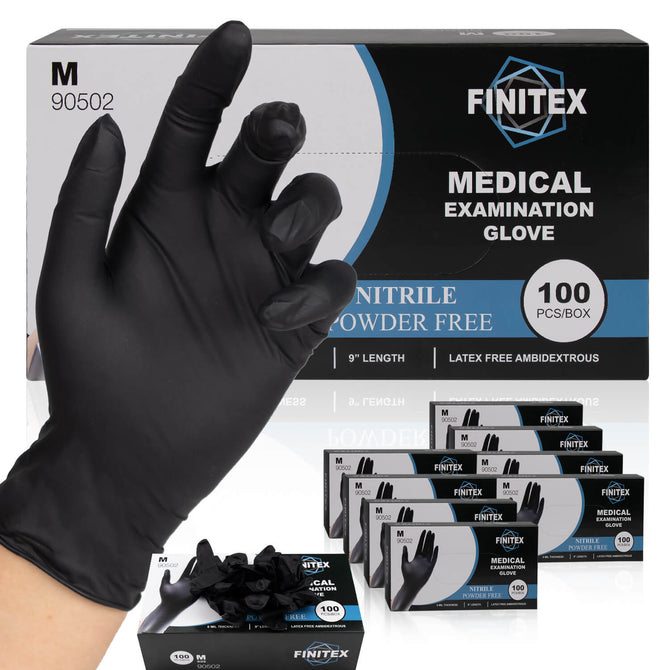
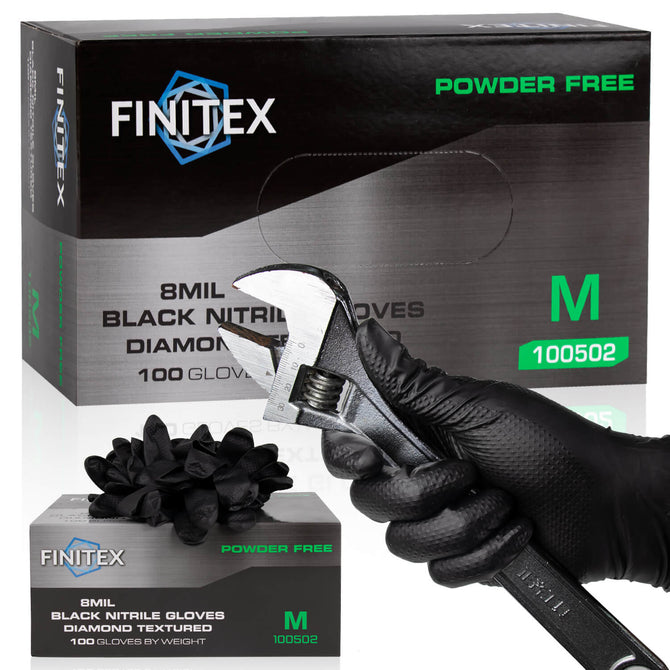
For technicians working around dirty, wet, or oily components, heavy-duty black nitrile gloves with a diamond-textured surface can offer a practical combination of grip, durability, and hand protection. One example is the FINITEX 8 Mil Diamond Textured Black Industrial Nitrile Gloves, designed for demanding industrial, cleaning, mechanical, and HVAC applications.
Why Fall Is Peak Season for Chimney and Heating Maintenance
Heating equipment sits relatively quiet during much of the warmer months. Once temperatures fall, however, homeowners begin preparing fireplaces, furnaces, heating systems, and ventilation equipment for regular use.
That creates more work for:
-
Chimney sweeps
-
HVAC technicians
-
Furnace service professionals
-
Fireplace maintenance crews
-
Property maintenance teams
-
Residential contractors
-
Building maintenance workers
A typical fall service call can involve inspecting vents, removing accumulated debris, cleaning fireplace components, servicing heating equipment, checking connections, or working around ductwork and metal components.
The work environment is rarely clean.
Technicians may need to handle surfaces covered in soot and dust while also dealing with moisture, grease, old residue, and cold metal. A glove that works well for light household cleaning may not provide the durability or grip needed for this type of work.
Soot and Creosote Create a Messy Work Environment
One of the biggest challenges for chimney professionals is dealing with accumulated combustion residue.
Soot is a fine, dark particulate that can spread easily during cleaning. It can quickly cover hands, tools, clothing, and nearby surfaces.
Creosote, meanwhile, is a tar-like deposit associated with wood combustion that can build up inside chimneys and flue systems. Depending on the type and amount of buildup, it can be sticky, difficult to remove, and unpleasant to handle.
For technicians, the problem isn't simply keeping their hands clean.
They also need gloves that can hold up while handling brushes, tools, dirty components, and contaminated surfaces without constantly slipping or tearing.
This is where choosing the right chimney cleaning gloves becomes part of an efficient workflow.
Why Diamond Texture Matters During Chimney Cleaning
Grip can become a serious issue when working around soot, moisture, grease, or cleaning residue.
A smooth disposable glove may feel comfortable for simple tasks, but it may not provide enough traction when a technician needs to firmly hold a brush, tool, metal component, or dirty surface.
Diamond-textured nitrile gloves are designed with a textured exterior that helps increase contact between the glove and the object being handled.
The FINITEX 8 Mil Diamond Textured Black Industrial Nitrile Gloves use a 3D diamond-textured surface designed to improve grip in wet or oily working conditions.
For chimney sweeps, that can be useful when:
-
Handling chimney brushes and cleaning tools
-
Removing dirty components
-
Working around damp or greasy surfaces
-
Carrying contaminated materials
-
Cleaning fireplace and heating equipment
-
Handling metal parts during maintenance
Better grip doesn't replace proper tools or safe work practices, but it can make routine handling easier and more controlled.
Why 8 Mil Nitrile Makes Sense for Heavy-Duty Maintenance
Not every maintenance task requires a thick disposable glove.
For light cleaning, food preparation, or simple inspection work, thinner nitrile gloves may provide enough protection and dexterity.
Chimney cleaning and HVAC maintenance can be different.
When a technician is working around rough metal edges, heavy grime, abrasive surfaces, or demanding cleaning tasks, a thicker glove can provide an additional layer of durability.
An 8 mil nitrile glove is considerably more substantial than the thin disposable gloves commonly used for light-duty applications. FINITEX positions its 8 mil industrial glove for demanding applications including HVAC, automotive, cleaning, construction, and other industrial work.
That makes 8 mil nitrile worth considering when building a seasonal supply of chimney sweep supplies.
8 Mil vs. Thinner Disposable Gloves
A simple way to think about glove thickness is:
| Glove Thickness | Typical Use |
|---|---|
| 3–3.5 mil | Light cleaning, general handling, food service where applicable |
| 4–5 mil | General maintenance, examination, salon and cleaning work |
| 6 mil | More demanding cleaning and industrial applications |
| 8 mil | Heavy-duty cleaning, HVAC, automotive, industrial maintenance |
The thicker the glove, however, the more important it becomes to balance protection with dexterity. Technicians who need to manipulate small fasteners or tools should choose a size that fits securely rather than simply choosing the thickest glove available.
Black Nitrile Has a Practical Advantage for Dirty Jobs
For chimney sweeps and heating technicians, appearance is not the primary reason to choose black gloves.
It's simply practical.
Soot, ash, grease, and other dark residues are inevitable parts of many maintenance jobs. A black glove helps hide visible staining during the workday, which can make heavily contaminated tasks look cleaner than they would with lighter-colored gloves.
More importantly, the glove still needs to be changed whenever it becomes damaged, contaminated, or unsuitable for the next task.
Black nitrile should never be treated as a reason to keep wearing a contaminated glove longer than appropriate.
Instead, its value is straightforward: it is a practical color for messy industrial and maintenance environments.
Cold Metal Is Another Fall Maintenance Challenge
Creosote and soot aren't the only problems technicians face in October and beyond.
Metal components can become extremely cold during the off-season or when equipment is located in unheated spaces.
Chimneys, flues, ducts, outdoor HVAC equipment, pipes, and other metal surfaces can all feel noticeably colder during fall and winter service calls.
Disposable nitrile gloves are not a substitute for insulated winter work gloves when thermal protection is required.
However, a durable nitrile glove can provide a useful barrier between the technician's skin and dirty, wet, or contaminated surfaces during maintenance work.
For jobs requiring actual cold-weather hand protection, nitrile gloves may also be used as part of a broader PPE strategy, such as underneath appropriate insulated work gloves when the task and glove manufacturer's instructions allow it.
Don't Confuse Nitrile Protection With Heat Protection
This distinction is especially important for chimney and heating professionals.
Chimney systems and heating equipment can contain components that become dangerously hot during or after operation. An 8 mil nitrile glove should not be considered a heat-resistant glove or used for direct contact with hot metal, flames, embers, or other high-temperature surfaces.
The main benefit of heavy-duty nitrile in this application is protection from dirt, soot, grime, moisture, oils, and routine handling hazards, along with improved grip and durability.
Always allow hot equipment to cool to a safe temperature before handling it, and use properly rated heat-resistant PPE whenever the job requires thermal protection.
This makes nitrile one part of the PPE setup—not a replacement for every type of protective glove.
Creosote Protection Requires More Than Just Gloves
It is also important to understand what “creosote protection” means when discussing disposable gloves.
Nitrile can provide a useful barrier between the skin and many contaminants encountered during maintenance work, but no disposable glove should automatically be considered chemically resistant to every substance found in chimney or HVAC work.
Chemical resistance depends on the specific chemical, concentration, exposure time, temperature, and glove construction.
For professional chimney cleaning, technicians should:
-
Select gloves appropriate for the materials they may encounter.
-
Check the manufacturer's chemical-resistance information when chemical exposure is expected.
-
Replace gloves immediately if they become torn or compromised.
-
Avoid touching clean tools, phones, door handles, or personal items with contaminated gloves.
-
Wash hands thoroughly after removing gloves.
-
Use additional PPE when required by the job's safety procedures.
For especially demanding cleaning chemicals, always consult the relevant Safety Data Sheet (SDS) and PPE recommendations rather than relying on glove material alone.
A Better Glove Setup for HVAC Fall Maintenance
Fall HVAC work can involve several different types of tasks, so one glove thickness may not be ideal for everything.
If you're preparing your crew for seasonal HVAC work, our guide to heavy-duty gloves for HVAC technicians offers more tips on choosing gloves for demanding service environments.
For example:
Light inspection:
A thinner nitrile glove may provide the dexterity needed for basic inspection and general handling.
Routine cleaning:
A medium-thickness nitrile glove can provide a balance of flexibility and protection.
Heavy cleaning and dirty maintenance:
An 8 mil diamond-textured glove can be a better choice when durability and grip are higher priorities.
Hot equipment:
Use appropriately rated heat-resistant PPE. Do not rely on nitrile gloves for direct contact with hot surfaces.
Sharp or abrasive components:
Consider task-specific cut-resistant or other protective gloves when the hazard requires them.
This task-based approach is more practical than assuming that one glove is suitable for every maintenance situation.
What to Look for in Chimney Sweep Supplies
If you're stocking disposable gloves for a chimney cleaning or HVAC crew this fall, look beyond the word “nitrile.”
Consider these factors:
1. Thickness
For demanding cleaning and maintenance tasks, thicker nitrile can provide greater durability than lightweight disposable gloves.
2. Texture
A textured surface can be especially useful when handling wet, oily, dirty, or slippery objects.
3. Fit
A glove that is too loose can reduce control. One that is too tight may increase stress on the material and cause premature tearing.
4. Tear and Puncture Resistance
Chimney and HVAC work can involve rough components and repeated handling. A more durable glove can reduce unnecessary glove changes.
5. Powder-Free Construction
Powder-free gloves help avoid leaving powder residue on tools, equipment, and surfaces.
6. Latex-Free Material
Nitrile is a useful alternative for workers who need to avoid natural rubber latex.
7. Easy Identification
Black gloves are particularly practical for dirty maintenance environments where soot, grease, and grime are part of the job.
Why FINITEX 8 Mil Diamond-Textured Nitrile Fits the Job
For technicians looking for a heavier disposable option, FINITEX 8 Mil Diamond Textured Black Industrial Nitrile Gloves combine several features that make sense for demanding maintenance work.
The gloves are 8 mil thick and feature a 3D diamond texture for grip. They are also powder-free and latex-free, with the product positioned for applications including HVAC, automotive, cleaning, construction, and industrial work.
The black finish is also well suited to messy work environments where soot, grease, and grime are common.
Shop FINITEX 8 Mil Diamond Textured Black Industrial Nitrile Gloves
For crews that go through large quantities of gloves during the fall maintenance season, bulk purchasing may also make sense. The product is available in 100-, 300-, and 1,000-piece quantities on the TITANS MEDICARE website.
Prepare Your Glove Supply Before the Heating Season
Chimney sweeps and HVAC technicians don't have much room for unreliable PPE once the fall service rush begins.
A box of thin gloves may be enough for a quick inspection, but demanding cleaning jobs call for a different approach.
When soot, creosote residue, grease, moisture, rough metal, and cold working conditions are part of the daily routine, heavy-duty black nitrile gloves with a strong textured grip can be a practical addition to your fall maintenance supplies.
The key is choosing the glove based on the actual hazard—not simply choosing the thickest glove available.
For chimney sweeps and HVAC professionals, the ideal setup may include different glove types for different tasks, with 8 mil diamond-textured nitrile reserved for the dirty, demanding work where grip and durability matter most.
Final Takeaway
Fall maintenance season brings more than colder temperatures. It brings fireplaces back into use, increases HVAC service calls, and puts chimney sweeps and maintenance crews back into some of the dirtiest working environments of the year.
Soot, creosote residue, grease, moisture, and cold metal can make routine maintenance harder on the hands.
A properly fitted 8 mil diamond-grip nitrile glove won't replace task-specific PPE or heat-resistant protection, but it can provide a durable disposable barrier for many dirty maintenance tasks while giving technicians the grip they need to work with tools and equipment.
For chimney sweeps and HVAC crews preparing for the busy season, choosing the right gloves should be part of the fall maintenance checklist—not an afterthought.