


In a dental practice, every detail matters. From the sterilization of instruments to the cleanliness of the operatory, your commitment to safety is what builds patient trust and upholds professional standards. Yet, one of the most fundamental safeguards—the gloves you wear—sometimes doesn’t receive the scrutiny it deserves.
Choosing the right exam gloves isn’t just about comfort or cost; it’s a critical compliance and safety decision. And at the heart of that decision is one essential question: Are they FDA-cleared?
The FDA Standard: More Than Just a Label
In the United States, the Food and Drug Administration regulates medical exam gloves as Class I medical devices. FDA clearance isn’t a mere suggestion—it’s a rigorous validation that ensures:
-
Safety for Prolonged Skin Contact: The materials are assessed for biocompatibility, minimizing risks of dermatitis or allergic reactions.
-
Reliable Barrier Protection: The gloves must meet consistent standards for tear and puncture resistance, creating a dependable shield against pathogens.
-
Manufacturing Consistency: Every batch is produced under quality systems that guarantee performance you can rely on, procedure after procedure.
Using gloves without this clearance introduces unnecessary risk. It can compromise infection control protocols, expose your team to potential harm, and leave your practice vulnerable in the event of an audit or liability issue.
The Hidden Costs of Non-Compliant Gloves
Gloves that haven't been cleared by the FDA might seem like a budget-friendly option, but the hidden costs can be significant:
-
Increased Breakthroughs: Inferior materials or inconsistent thickness lead to more frequent tears, risking exposure during critical moments.
-
Chemical Degradation: Many dental chemicals—from disinfectants to etching gels—can degrade materials that aren’t properly formulated, breaking down the barrier when you need it most.
-
Compromised Dexterity: Poor ergonomics and fit can fatigue hands and reduce precision during delicate work.
Your gloves are your primary interface with the patient. Their failure is not an operational inconvenience; it’s a direct threat to clinical safety.
Making the Informed Choice: What to Look For
When evaluating gloves for your practice, let FDA clearance be your non-negotiable starting point. From there, consider features that align with the specific demands of dentistry:
-
Adequate Thickness (3-4 mil range): Balances durability with essential tactile sensitivity.
-
Latex-Free Material: Such as nitrile, to accommodate the prevalence of latex allergies.
-
Textured Grip & Ergonomic Fit: For instrument control and comfort during long procedures.
-
Color Differentiation: Like blue, which aids in visual tear detection and procedural color-coding.
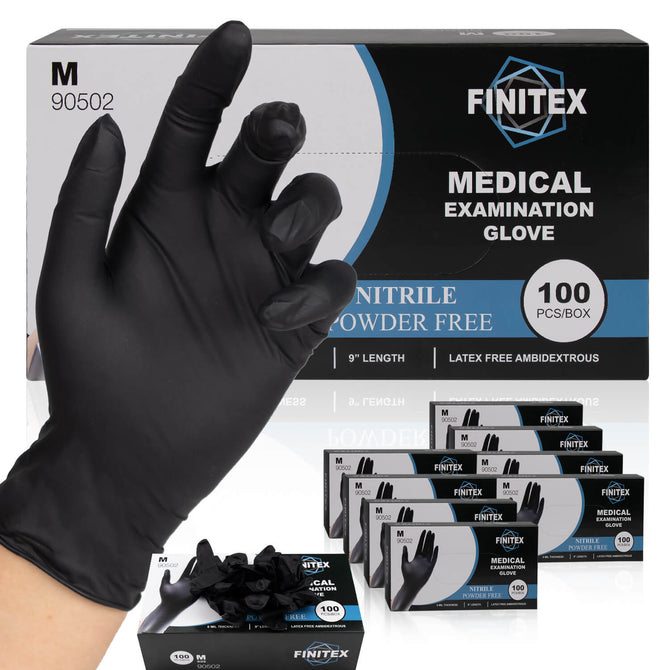
It’s this combination of verified safety and thoughtful design that defines a truly professional-grade glove. For instance, many practices find that a glove like the FINITEX Blue Nitrile in 3.2 Mil meets this comprehensive criteria, offering the certified protection and performance that dentistry requires.
Protect Your Practice, Protect Your Patients
Ultimately, insisting on FDA-cleared gloves is a direct reflection of your practice’s values. It demonstrates a proactive commitment to safety that your team and your patients will recognize and appreciate. It transforms a simple piece of PPE into a cornerstone of your clinical integrity.
Invest in gloves that match your standards. Whether you prefer classic blue, vibrant rose red, or another distinctive shade, ensure your primary layer of defense is backed by the highest level of assurance—because in dentistry, there’s no room for compromise.